







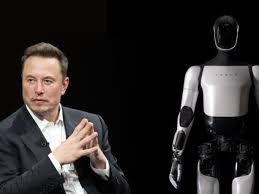


Tesla’s Optimus humanoid robot recently made waves with a viral video showing its attempts to walk on a slope. The video, shared on Instagram, features the robot struggling with the uneven surface, moving awkwardly and stumbling, resembling the gait of a toddler or a slightly tipsy person. Despite the initial clumsiness, the robot regains its balance, a significant achievement in the world of robotics.
The viral clip, which was captioned, “To walk like a human, you must first learn to stumble like a human,” sparked humor on social media. Many viewers compared the robot’s movements to a drunk person coming home late at night, while others speculated that Tesla might be intentionally making the robot walk like a toddler to reduce fear among people. The playful comments, however, did not take away from the larger conversation about the future of humanoid robots and their potential.
Tesla’s Optimus robot, though not perfect, represents a major step forward in robotics, with its stumbles signaling progress in human-like mobility. While it may not yet be able to walk seamlessly on uneven surfaces, the robot’s ability to regain its balance after stumbling highlights the advancements being made in this field.
Beyond the humor, the video has sparked serious discussions about how humanoid robots could redefine human-robot interactions and their role in the future. Many enthusiasts believe that these robots could soon be capable of more efficient and precise movement, leading to practical applications in various industries.
As Tesla continues to develop and refine its humanoid robots, this moment of stumbling is seen as a positive indication of how far technology has come and what the future may hold for autonomous robots.
Read also