







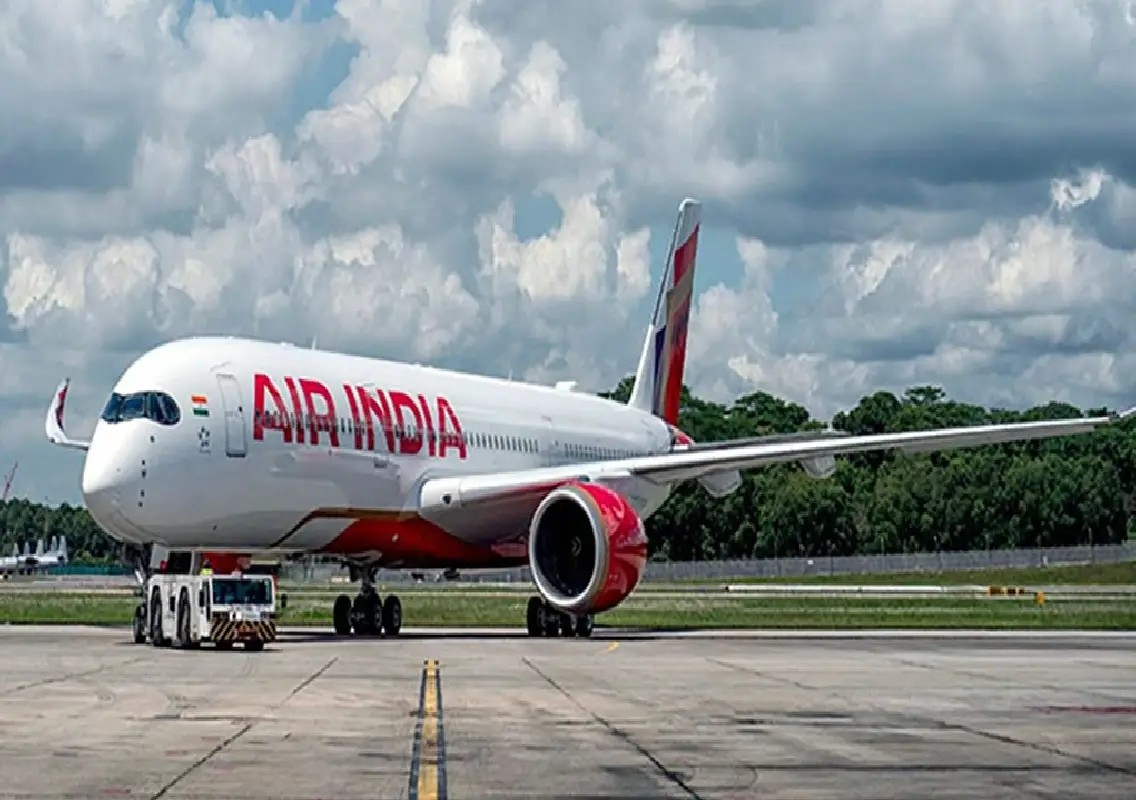


New Delhi: Two more Air India pilots have tested ‘non-negative’ in preliminary drug screening conducted by the Tata-owned airline following the Phuket-Delhi flight incident that left several passengers injured. Their samples have been sent for confirmatory testing, with the final results awaited.
The two pilots have been de-rostered pending the outcome of the confirmatory tests. The preliminary results do not establish that either pilot had consumed a prohibited substance, as the samples must undergo further testing before any final conclusion can be reached.
The development comes after Air India and Air India Express began mandatory psychoactive substance testing of all their pilots on August 13, going beyond the minimum requirements prescribed by aviation regulators.
Around 400 pilots screened so far
According to a source cited by PTI, psychoactive substance screening has so far been completed for around 400 pilots across the Air India Group.
Of these, preliminary screening results for two pilots returned a ‘non-negative’ finding. Specific details about the pilots or the substances detected during the initial screening were not immediately available.
The samples have now been sent for confirmatory analysis. Until those results are available, the preliminary findings cannot be treated as confirmation of a violation.
Air India has not issued an official comment on the latest development.
The two airlines together have more than 5,000 pilots, meaning the screening programme covers a large workforce and is expected to take time to complete.
Mandatory screening expanded after Phuket incident
Air India and Air India Express introduced the expanded testing programme after an August 4 incident involving Air India flight AI2379, which was operating from Phuket to Delhi.
The Airbus A320neo suddenly lost around 300 feet, or approximately 91 metres, in altitude while cruising amid turbulence. The aircraft was carrying 145 people, including 137 passengers and eight crew members.
At least 24 people were injured during the incident.
The incident prompted increased scrutiny of the flight crew and the airline’s safety procedures. Subsequently, the pilot-in-command underwent drug testing and eventually tested positive for marijuana in a confirmatory test.
Captain’s test initially returned ‘non-negative’
The pilot-in-command of the Phuket-Delhi flight had initially received a ‘non-negative’ result in a preliminary screening for a psychoactive substance.
A subsequent confirmatory test identified marijuana in the pilot’s sample, according to earlier reports.
The distinction between preliminary and confirmatory testing has become important in the latest cases as well. A ‘non-negative’ screening result indicates that further laboratory examination is required; it is not itself a final determination that a pilot has violated drug-related aviation regulations.
The airline has therefore de-rostered the two pilots while their samples undergo confirmatory testing.
Screening covers prohibited substances and medicines
The comprehensive screening programme covers psychoactive substances and medications prohibited under prevailing aviation regulations.
The move represents an expansion of testing by the two airlines beyond regulatory requirements. The objective is to identify any prohibited substance use among pilots and strengthen safety safeguards across flight operations.
Airline pilots are subject to strict rules concerning substances that can impair alertness, judgement, coordination or other abilities essential for operating aircraft safely.
The expanded screening programme comes at a time when aviation safety has received heightened attention following several incidents involving commercial flights.
More than 5,000 pilots to be screened
Air India and Air India Express employ more than 5,000 pilots combined. Screening the entire pilot workforce is therefore a substantial exercise for the airlines.
With around 400 pilots tested so far, the process is expected to continue in the coming days. The airline group has not publicly disclosed a detailed timeline for completing the screening of all pilots.
The latest preliminary findings are likely to result in further attention on the testing process, particularly as the airline waits for confirmatory results.
For the two pilots who returned ‘non-negative’ results, their immediate de-rostering means they will remain away from flight duties until the confirmatory testing process is completed and the airline determines the appropriate course of action.
Confirmatory results will determine next steps
The next significant development will be the outcome of the confirmatory laboratory tests. These results will determine whether the initial findings indicate the presence of a prohibited substance or medication and whether further action is required.
Until then, the two cases remain subject to investigation and testing.
The airline’s decision to de-roster the pilots while awaiting confirmation reflects a precautionary approach as the expanded screening programme continues.
The latest development also comes as authorities and airlines examine the circumstances surrounding the Phuket-Delhi incident, including the health and fitness of the crew involved.
Safety scrutiny intensifies
The Air India Group’s decision to conduct mandatory psychoactive substance screening of all pilots marks a significant expansion of its internal safety checks.
The programme follows the confirmed marijuana finding involving the captain of the Phuket-Delhi flight and the injuries reported after the aircraft’s sudden altitude loss.
With hundreds of pilots already screened and thousands more expected to undergo testing, the results of the programme could provide a broader picture of compliance with aviation regulations relating to psychoactive substances.
For now, the two newly identified ‘non-negative’ results remain preliminary. Confirmatory testing will be required before any final conclusion can be drawn about the pilots or the substances involved.