







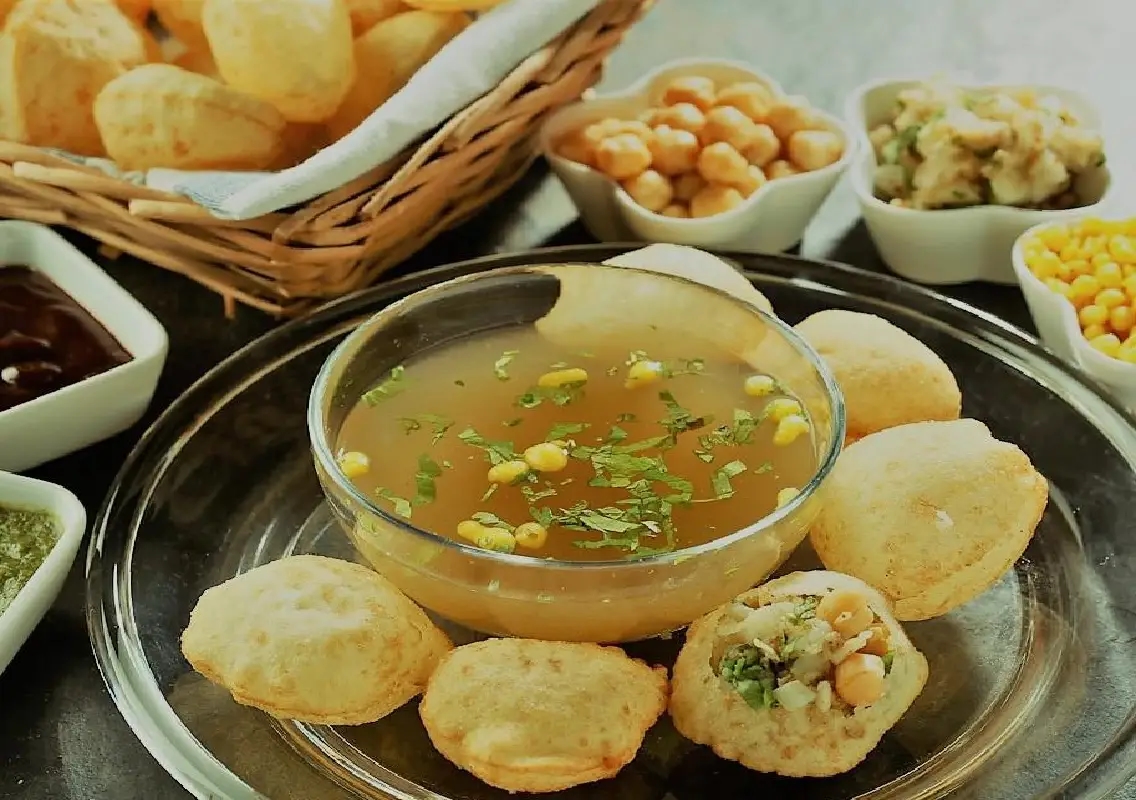


A casual stop at a street food stall turned into a frightening medical emergency for a woman in Uttar Pradesh after her jaw dislocated while eating a golgappa. What began as a simple craving for a popular snack escalated rapidly, leaving onlookers shocked and sparking nationwide concern after a video of the incident went viral. Doctors later confirmed that the dislocation was severe enough to require specialised treatment at a higher medical facility.
Golgappa bite turns into painful medical crisis
The woman, identified as Inkila Devi, had stopped at a roadside golgappa stall with a family member after visiting a local clinic. While her companion enjoyed their serving without any issue, Inkila attempted to bite into an unusually large golgappa. The force needed to open her mouth wide triggered a sudden dislocation of the jawbone, leaving her mouth stuck open and causing sharp, unbearable pain.
Her relatives immediately rushed her back to the clinic where she had been earlier. Witnesses said she appeared visibly distressed, unable to speak properly or close her mouth.
Local clinic struggles to manage the emergency
Doctors at the nearby clinic provided initial care but soon realised that the dislocation was too severe to be treated with basic intervention. The lower jawbone had slipped significantly out of position, and attempts to ease it back into place risked further complications, including nerve and tissue damage.
Due to the complexity of the case, doctors referred Inkila to a higher medical centre equipped with specialists capable of handling such emergencies. Family members confirmed that she had no history of jaw-related problems, making the incident even more unexpected.
Medical professionals later emphasised that although jaw dislocations are uncommon, they can occur suddenly, often when the mouth opens too wide while biting, yawning or during dental procedures.
What is a jaw dislocation?
A jaw dislocation, or mandibular dislocation, occurs when the mandible— the lower jawbone — shifts out of its normal position at the temporomandibular joint (TMJ). This joint facilitates essential functions such as chewing, speaking and yawning.
When the jaw becomes dislocated, patients typically experience:
- Severe pain
- Difficulty closing the mouth
- Trouble speaking or swallowing
- Visible misalignment of the jaw
Immediate medical attention is essential. Treatment usually involves manually repositioning the jaw, sometimes with sedation to ease the pain. More severe cases may require imaging tests or even surgical correction if complications arise.
Viral video sparks online concern
The entire episode was captured on video and widely circulated on social media, with viewers expressing shock and sympathy. Many pani-puri lovers reacted anxiously, some sharing their own experiences with jaw strain while eating oversized snacks.
Health experts have since urged the public to exercise caution when consuming large or hard-to-bite foods, especially at roadside stalls where portion sizes may vary.
Oversized snacks can pose hidden dangers
While golgappas are beloved across India, this incident highlights a lesser-known risk associated with taking large bites. Eating oversized snacks can strain the temporomandibular joint, particularly for individuals who already have TMJ issues or weaker jaw muscles.
Experts recommend:
- Taking smaller bites
- Chewing slowly
- Avoiding extremely large portions
- Being mindful of sudden or wide mouth movements
Street food remains an integral part of India’s culinary and social culture. However, awareness and caution can help prevent freak accidents like this while ensuring that people continue to enjoy their favourite snacks safely.