







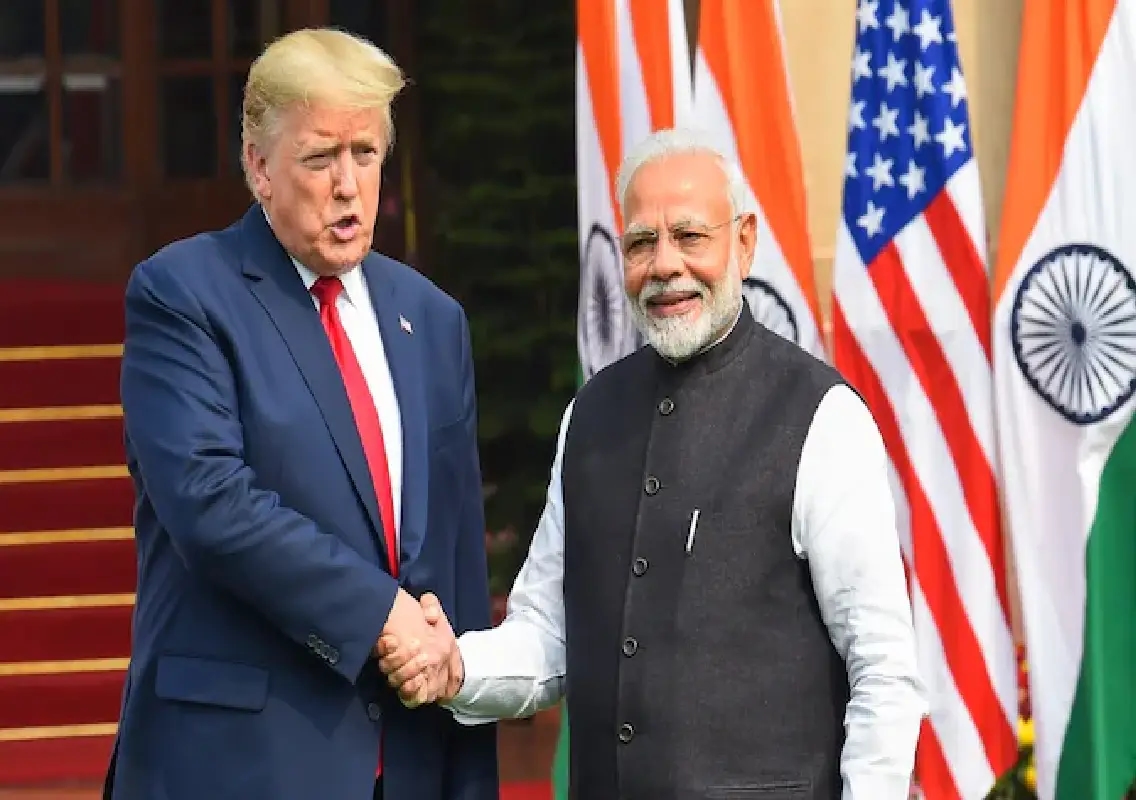


The United States is intensifying its trade negotiations with India, with senior US officials indicating that New Delhi has offered some of the most substantial market-access proposals seen in bilateral agricultural discussions to date. Testifying before a Senate Appropriations subcommittee on Tuesday, US Trade Representative (USTR) Jamieson Greer said India had shown “the best we’ve ever received as a country” in the ongoing negotiations, particularly with respect to American farm commodities such as grain sorghum and soy.
India makes unusually strong proposals
Greer informed lawmakers that a USTR team was “in New Delhi, as we speak,” actively working through long-standing agricultural barriers that have hampered US exports. Acknowledging that “there is resistance in India… to certain row crops,” he nonetheless described India’s latest engagement as markedly proactive. “They’ve been quite forward-leaning,” he told senators, signalling that India may be more receptive to agricultural imports at a time when American producers are grappling with large inventories and weakened demand from China.
Greer also positioned India as “a viable alternative market” for US agricultural exports, emphasising the need to diversify trade partners amid global volatility. “We have to find a way to manage that trade,” he said, observing that India, despite its potential, has historically been difficult for the US to “crack.”
Senators push for diversification beyond China
Committee Chair Jerry Moran, whose Kansas constituents include large grain sorghum growers, pressed Greer on the urgency of finding new export destinations amid shrinking options and unpredictable Chinese purchases. Calling India “such a difficult country to crack,” Moran urged the administration to accelerate efforts to create alternative markets for American grain and soy. Greer responded that the US engagement with India was more advanced than in previous administrations and formed part of a broader reorientation of US trade strategy.
Expanding global market access
Greer explained that the administration’s approach aims to build diversified, reciprocal trade relationships. “We’re opening market access all over the world in places like Southeast Asia and even in Europe,” he said. Such gains, he argued, strengthen Washington’s negotiating position with major partners, including India, and create “structural constant access” for American exporters.
Beyond agriculture, Greer suggested that tariff and regulatory issues in other sectors were moving toward resolution. When questioned about the future of zero-tariff commitments for civil aviation parts under the 1979 Aircraft Agreement, he said discussions with India were “fairly far advanced.” He added that extending similar treatment would depend on India “coming to the table and giving the United States the market access it should have.”
Ethanol and energy trade also on the agenda
Senator Moran additionally highlighted India’s potential as a major buyer of ethanol derived from US corn and soy. While Greer did not elaborate on India’s specific commitments regarding ethanol, he noted that “a lot of other countries… have agreed to open their markets for US ethanol.” He cited the European Union’s pledge to purchase “$750 billion in US energy products” over several years, including biofuels, as an example of expanding opportunities.
Stress on enforcement to secure compliance
Senators expressed concern about the economic pressure faced by American farmers amid fluctuating tariffs and inconsistent buying patterns from China. Greer defended the administration’s assertive negotiating strategy, asserting that trading partners respond to stringent enforcement. “That’s how we’re able to generate compliance and market opening,” he said, noting that recent agreements have also improved access to markets for FDA-approved medicines, reduced regulatory barriers, and lowered tariffs in several regions.
Broader India–US trade context
India–US trade relations have strengthened significantly over the last decade, with both governments engaging across agriculture, digital services, pharmaceuticals, civil aviation, critical minerals, and defence-linked supply chains. Officials believe that while agriculture remains an area with persistent sanitary and tariff restrictions, the current momentum indicates that long-standing barriers may finally be easing.
Talks have accelerated following the launch of the US–India Strategic Trade Dialogue and multiple frameworks under the broader Indo-Pacific Economic agenda. For both economies, supply-chain diversification, reduced dependence on China, and deeper commercial integration remain priority objectives against a backdrop of geopolitical realignments.
Conclusion
With negotiations described as more advanced than in previous years, the United States appears optimistic about securing expanded agricultural and industrial market access in India. If successful, the ongoing talks could reshape bilateral trade dynamics, create new export avenues for American farmers, and strengthen the evolving strategic economic partnership between Washington and New Delhi.goods as bilateral trade talks accelerate amid global shifts.