







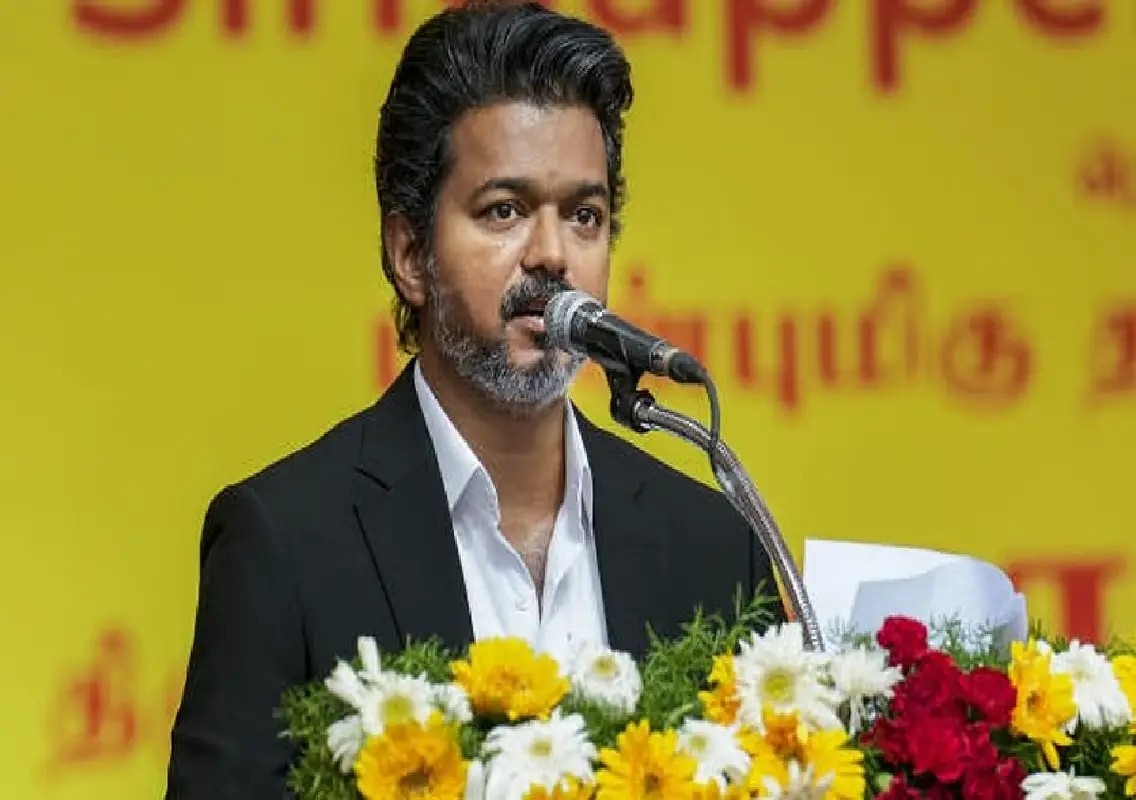


Chennai: Tamil Nadu Chief Minister C. Joseph Vijay‘s decision to hold direct bilateral talks with Karnataka on the long-standing Cauvery water-sharing dispute has sparked criticism from farmers’ organisations and opposition parties, with several questioning the need to move away from the legal and statutory framework laid down by the Supreme Court.
Vijay is scheduled to visit Bengaluru on August 3 for talks with Karnataka Chief Minister D.K. Shivakumar. The meeting is expected to focus on the Cauvery water-sharing dispute and Karnataka’s proposed Mekedatu balancing reservoir project, an issue that has remained a major point of contention between the two states for years.
The proposed discussions have generated both optimism and criticism, with supporters viewing the initiative as an opportunity for dialogue, while opponents argue that the matter should continue to be addressed only through the statutory mechanisms established under Supreme Court orders.
Bilateral meeting confirmed
Tamil Nadu Agriculture Minister R. Vinoth confirmed that Karnataka had officially invited Chief Minister Vijay for discussions.
He reiterated Tamil Nadu’s firm opposition to the proposed Mekedatu balancing reservoir, stating that the state would continue to oppose the project, which it believes could adversely affect its rightful share of Cauvery waters.
The August 3 meeting will mark the first occasion in several years that a Tamil Nadu Chief Minister travels to Karnataka specifically for bilateral discussions on the Cauvery dispute.
The talks are expected to take place just days before the Tamil Nadu government’s maiden Budget session under the TVK-led coalition begins on August 5.
Karnataka pushes for dialogue
The proposed meeting follows a series of initiatives from Karnataka aimed at reviving dialogue between the neighbouring states.
In June, Karnataka Chief Minister D.K. Shivakumar expressed his willingness to hold direct discussions with Vijay on both the Cauvery issue and the Mekedatu project.
He had urged both states to keep politics aside and work towards finding mutually acceptable solutions through constructive engagement.
Karnataka Minister Ramalinga Reddy had also supported bilateral talks, saying sustained dialogue could help reduce tensions over inter-state water-sharing issues.
Farmers’ organisations oppose move
Despite the government’s decision to engage in direct talks, several farmers’ organisations in Tamil Nadu have opposed the initiative.
The Tamil Nadu Cauvery Farmers Association argued that negotiations conducted outside the statutory framework established by the Supreme Court could weaken the legal mechanisms governing the sharing of Cauvery waters.
The association urged the Tamil Nadu government to continue pressing the Union Government to ensure Karnataka releases the 27.5 TMC ft of water that Tamil Nadu claims remains due under the approved schedule.
Farmer leaders maintained that existing legal institutions, including the Cauvery Water Management Authority (CWMA), should remain the primary forum for resolving disputes.
Opposition raises concerns over Mekedatu
Political parties have also questioned the timing and purpose of the proposed meeting.
PMK leader Anbumani Ramadoss criticised the decision to hold discussions on the Mekedatu project, reiterating Tamil Nadu’s long-standing position that the proposed reservoir would reduce the downstream flow of Cauvery water available to the state.
The PMK maintained that the state should continue pursuing its objections through legal and statutory channels rather than entering into political negotiations.
The Mekedatu project has consistently faced opposition from Tamil Nadu, which argues that the reservoir could adversely affect irrigation and drinking water supplies in several districts dependent on the Cauvery.
Water availability remains a concern
The latest political developments come amid continuing concerns over water availability during the current monsoon season.
According to figures cited by the Tamil Nadu government, the state received only 3.5 TMC ft of Cauvery water between June 1 and July 22, against the 31 TMC ft allocation envisaged under the Supreme Court-approved monthly schedule.
Earlier this week, the Cauvery Water Management Authority deferred a decision on Tamil Nadu’s request for the immediate release of water.
Instead, the Authority directed the Cauvery Water Regulation Committee (CWRC) to examine the issue and work out a pro-rata sharing formula during its meeting scheduled for July 28.
The outcome of that meeting is expected to play a significant role in determining water releases for the remainder of the monsoon season.
Dialogue versus legal process
The Cauvery dispute has witnessed numerous political interventions over the decades alongside prolonged legal proceedings.
Former Tamil Nadu Chief Ministers M.G. Ramachandran, J. Jayalalithaa, M. Karunanidhi and Edappadi K. Palaniswami all engaged with Karnataka through various rounds of political dialogue while simultaneously pursuing remedies before courts and statutory authorities.
Political observers note that Vijay’s decision reflects an attempt to reopen political communication between the two states without abandoning Tamil Nadu’s legal position on water-sharing.
Whether the bilateral meeting results in any breakthrough remains to be seen, particularly as both states continue to maintain firm positions on the Mekedatu project and the implementation of the Cauvery water-sharing formula.
The proposed talks are expected to be closely watched by farmers, political parties and water management authorities, as they could influence the future course of one of India’s longest-running inter-state river disputes.