







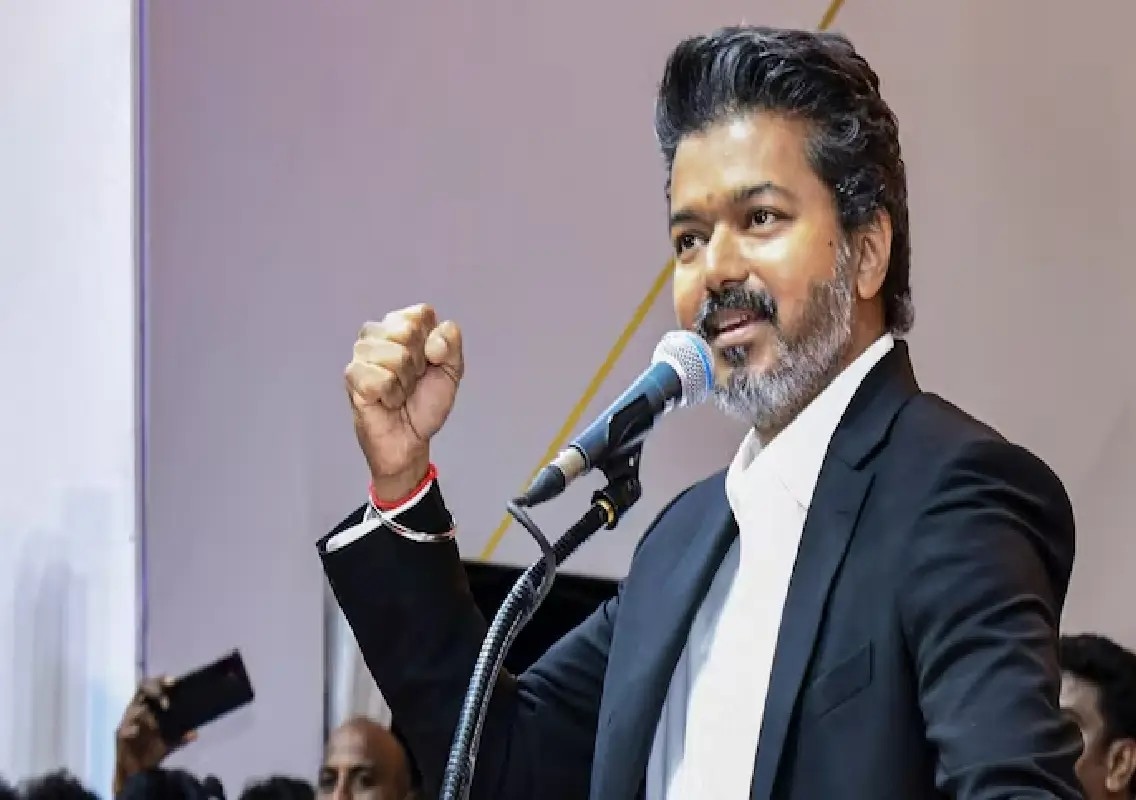


Chennai: Reports and commentary circulating online around actor-turned-politician Vijay and his alleged first week as Tamil Nadu Chief Minister have triggered intense discussions across political and social media circles, with claims focusing on administrative decisions, reversals and coalition pressures. However, several of the narratives being widely shared combine reported developments with opinion and political interpretation, making independent verification essential.
Early decisions reportedly draw criticism
According to reports being circulated, one of the earliest controversies involved the alleged appointment of Vijay’s astrologer as an Officer on Special Duty (OSD), which reportedly triggered criticism from political opponents and sections of the public.
Critics allegedly questioned the appropriateness of appointing a personal associate to an official role, arguing that such a decision could blur the distinction between governance and personal influence.
Reports further suggested that the decision was later reversed following public criticism and reactions from political circles.
The developments prompted wider discussions on the challenges often faced by first-time political leaders entering administrative roles.
Tender controversy fuels fresh discussion
Another issue that reportedly generated political attention involved a government tender process relating to a water infrastructure project.
According to reports, criticism emerged over the timeline given for submission of bids, with opposition voices reportedly alleging irregularities and raising questions regarding transparency.
Political observers argued that administrative procedures and decision-making mechanisms often come under intense scrutiny during the initial period of a new government.
However, no official findings indicating procedural wrongdoing have been publicly established regarding the claims.
Coalition politics and governance challenges discussed
Commentators also pointed towards coalition dynamics as a possible challenge in governance.
Political analysts frequently note that governments dependent on alliance support often face pressure in balancing political expectations and administrative priorities.
Some observers argued that quick policy reversals could be interpreted in different ways — either as responsiveness to public feedback or as signs of political pressure.
Others suggested that reassessing decisions after criticism can also be viewed as a willingness to correct potentially controversial steps.
Debate emerges over public image and governance style
Reports also highlighted discussions around the use of social media and visual communication in politics.
A viral video reportedly showing interactions involving disability rights groups generated debate after critics questioned whether governance activities were being presented in a manner resembling promotional content.
Supporters, however, argued that the use of digital platforms increases accessibility and helps leaders connect with citizens more directly.
Political communication experts note that social media has increasingly become an important tool in shaping public perception and engagement.
Early perceptions may not define long-term governance
Political analysts often caution against drawing broad conclusions from the opening phase of any administration.
Initial decisions frequently receive amplified attention, particularly when involving prominent personalities moving from cinema into politics.
The discussions surrounding Vijay’s reported first week highlight how public expectations, media narratives and political scrutiny can rapidly influence perceptions.
Whether such controversies represent temporary adjustments or larger governance challenges can only become clearer over a longer period.