







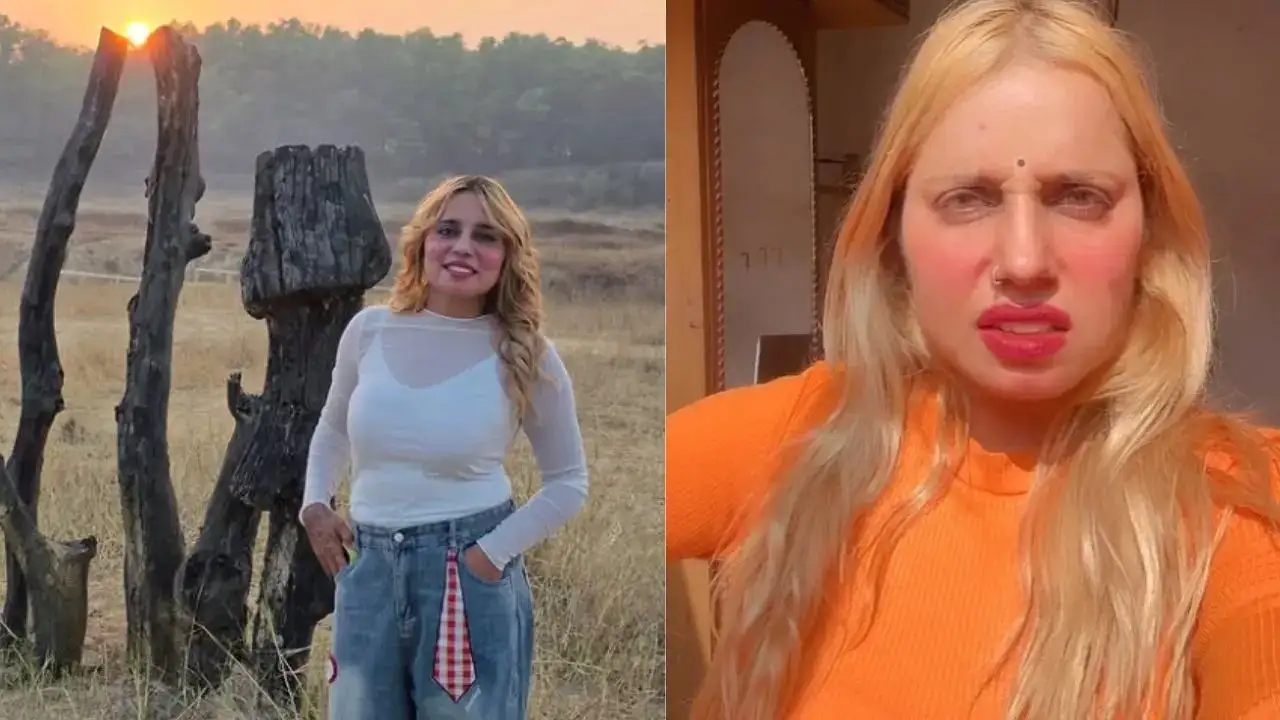


For Rosy Neha Singh, briefly labelled the “Russian girl from Bihar” on social media, going viral did not bring opportunity—it brought harassment, anxiety and the eventual closure of her small food business
In a candid interview with Aajtak Digital, Rosy said a single viral video changed her life in ways she never expected. “People think viral fame means success. For me, it became a burden I couldn’t carry,” she said.
A joke that became an identity
Originally from Sonpur in Bihar and currently living in Ranchi, Rosy worked as a beautician while nurturing her passion for cooking. To supplement her income, she opened a litti–chicken stall and began posting short videos online to attract customers.
Initially, the plan worked. However, because of her appearance, many viewers repeatedly asked if she was Russian. In response, Rosy made a light-hearted video in her local Bihari dialect, jokingly clarifying that she was “a pure Bihari girl, not Russian”. The clip went viral.
Within days, she was no longer known for her food but for a label she never asked for.
When attention turned abusive
The surge in views and comments initially felt encouraging, and Rosy tried to ride the momentum. But the tone soon changed. “When I stopped making the same kind of videos or couldn’t reply to everyone, people became abusive,” she said.
Her comment sections filled with personal attacks and inappropriate remarks. Several vloggers also began approaching her for collaborations. While some were respectful, others became hostile if she refused. “Saying no would turn into trolling,” she said.
Harassment spills into real life
The worst impact, Rosy said, was when online trolling crossed into the real world. People began visiting her stall not to eat, but to disturb her—some intoxicated, others demanding selfies or videos.
“Refusing often led to arguments or threats. It became impossible to work normally,” she said. Despite operating from a prime location in Ranchi, the constant disruption forced her to shut down the stall.
‘I lost my peace chasing views’
Rosy says she never understood monetisation or how creators earn from viral content. “I don’t even know how monetisation works. My family doesn’t understand this world either,” she said.
Looking back, she believes chasing views cost her peace. “I only wanted to promote my shop. When the views came, I kept chasing them—and lost my normal life.”
Her story has reignited debate on the darker side of viral culture, especially for women from small towns navigating social media without institutional or digital support.