


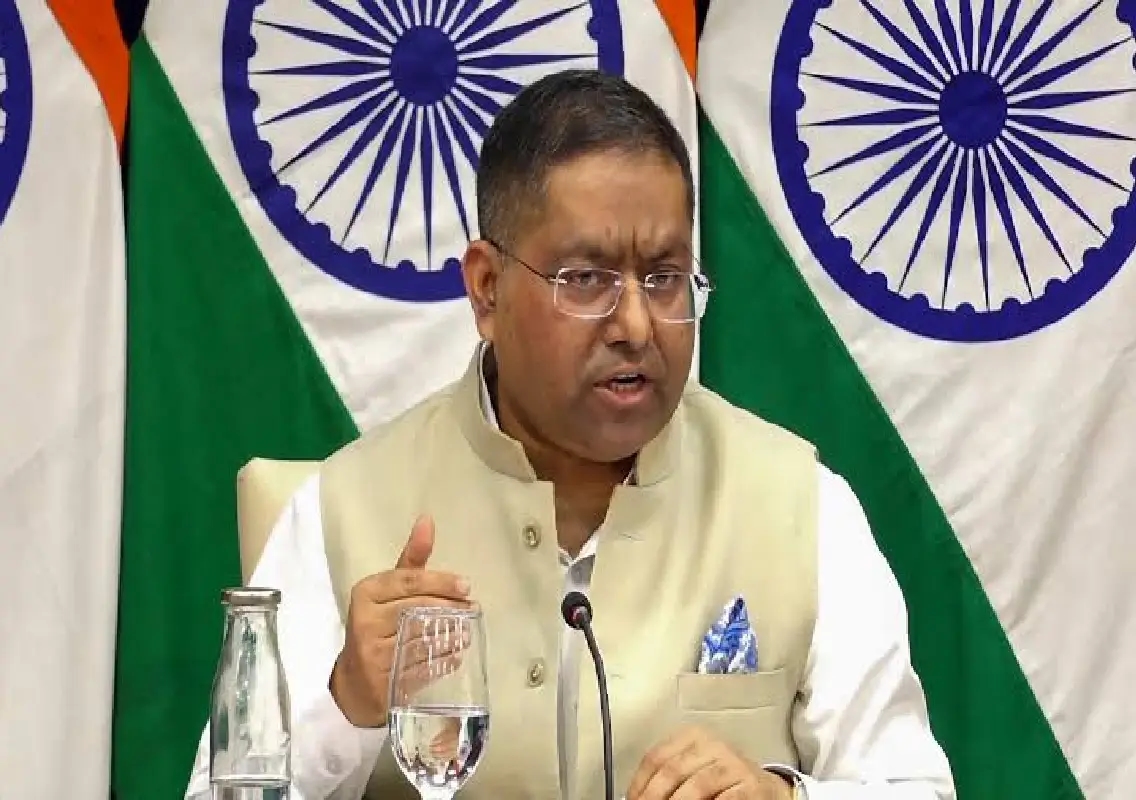


New Delhi: Twenty-two Indian nationals, including 14 seafarers, have been killed in the ongoing West Asia conflict, with three of the deaths reported in Saudi Arabia, the Ministry of External Affairs (MEA) said on Wednesday.
MEA spokesperson Randhir Jaiswal said India was deeply concerned about the continuing conflict and remained in close contact with the Indian community across the Gulf region to monitor their safety and well-being.
“We are deeply concerned about the ongoing conflict in West Asia. We have lost 22 Indian nationals in the conflict, including 14 seafarers,” Jaiswal said during his regular media briefing.
“We remain in close touch with our community in the Gulf region for their safety and wellbeing. Three Indians have lost their lives in Saudi Arabia,” he added.
The announcement highlights the human cost of the widening regional conflict, which has disrupted maritime activity and raised concerns about the safety of Indian nationals living and working across West Asia. The deaths of seafarers are particularly significant given the region’s importance to international shipping and India’s extensive maritime workforce.
The MEA did not provide further details about the identities of the deceased or the circumstances surrounding each death in the statement cited in the report.
India remains concerned about safety of nationals in Gulf
The Indian government said it was maintaining contact with Indian communities across the Gulf region as hostilities continued. The safety of Indian nationals remains a key concern, particularly in areas affected by attacks and disruptions to transport and commercial activity.
A large number of Indians live and work in Gulf countries, including in sectors linked to shipping, energy, construction, healthcare and other services. The evolving security situation has therefore created concerns not only for residents but also for seafarers and other workers travelling through affected areas.
Jaiswal’s remarks came amid heightened tensions in West Asia and a series of attacks that have raised concerns about the security of civilian infrastructure and critical shipping routes.
India has consistently called for a resolution to the conflict through dialogue and diplomacy. New Delhi has also expressed concern over developments that threaten regional stability and the safety of commercial navigation.
The government has been monitoring the situation and engaging with relevant authorities as the conflict affects the movement of people and goods across the region.
Conflict escalates after attacks on Iran
The conflict described by the MEA began in February following attacks on Iran by the United States and Israel. Since then, hostilities and retaliatory actions have contributed to a worsening security situation across parts of West Asia.
The conflict has also affected maritime movement through the Strait of Hormuz, a strategically important waterway through which a substantial share of global oil shipments normally passes.
Disruption in the strait has increased the importance of alternative routes and infrastructure used to transport crude oil from the region. It has also heightened concerns about the safety of seafarers and commercial vessels operating in nearby waters.
India has urged the parties involved to pursue diplomatic engagement and avoid further escalation. The government has repeatedly highlighted the need to protect civilians, maintain regional stability and ensure the uninterrupted movement of maritime traffic.
The latest death toll reported by the MEA underscores the risks faced by Indian nationals as the conflict extends beyond direct military confrontations to affect transport, shipping and energy infrastructure.
Houthi attacks raise concerns over Saudi infrastructure
India has also voiced serious concern over attacks by Yemen’s Houthi movement on Saudi Arabia, particularly strikes targeting civilian infrastructure and economic assets.
The attacks have raised concerns about the security of critical facilities and their implications for regional stability. New Delhi has warned that such actions threaten commercial activity and freedom of navigation through the Bab-el-Mandeb Strait.
The Iran-backed Houthi group has reportedly targeted Saudi Arabia’s East-West oil pipeline, an important route for transporting crude oil across the kingdom.
The pipeline has become particularly significant since shipping disruptions involving the Strait of Hormuz affected the movement of oil through the Gulf. It provides Saudi Arabia with an alternative route to transport crude towards the Red Sea, helping reduce reliance on shipments passing through Hormuz.
Damage to or disruption of this infrastructure could therefore have consequences beyond Saudi Arabia, potentially affecting oil supply chains and international energy markets.
India’s concerns reflect its dependence on stable energy supplies and secure maritime routes. Disruptions to oil transportation can affect shipping costs, delivery schedules and energy markets, with wider implications for countries that import crude from West Asia.
Bab-el-Mandeb shipping lane faces renewed scrutiny
The Houthi attacks have also drawn attention to the safety of the Bab-el-Mandeb Strait, one of the world’s important maritime chokepoints.
Located between the Horn of Africa and the Arabian Peninsula, the strait connects the Red Sea with the Gulf of Aden and, beyond it, the Arabian Sea. It serves as a key passage for commercial vessels travelling between Europe and Asia through the Suez Canal.
Any prolonged disruption to this route can force shipping companies to consider longer alternative journeys, increasing transit times and operating costs. The security of the strait is therefore important to international trade, energy transportation and maritime logistics.
The combination of tensions around the Strait of Hormuz and threats to shipping near Bab-el-Mandeb has raised broader concerns about the vulnerability of major maritime routes in the region.
For Indian seafarers, these developments are especially significant because commercial vessels operating in and around West Asia may face changing security conditions, delays and risks associated with attacks on shipping or nearby infrastructure.
India has been stressing the importance of freedom of navigation and the protection of civilian and commercial assets as the situation develops.
Diplomatic efforts and monitoring continue
The MEA’s latest statement indicates that India continues to monitor the security situation and maintain contact with its nationals in the Gulf. The reported deaths of 22 Indians, including 14 seafarers, have added urgency to concerns over the safety of citizens caught up in the conflict.
The three deaths reported in Saudi Arabia come amid heightened tensions following attacks on infrastructure and growing fears about the security of shipping lanes.
India has continued to advocate dialogue and diplomacy as the means to resolve the conflict, while highlighting the need to prevent further attacks that could undermine regional stability.
With the situation remaining volatile, the safety of Indian nationals, the security of energy infrastructure and the uninterrupted movement of commercial vessels are likely to remain central concerns for New Delhi.