







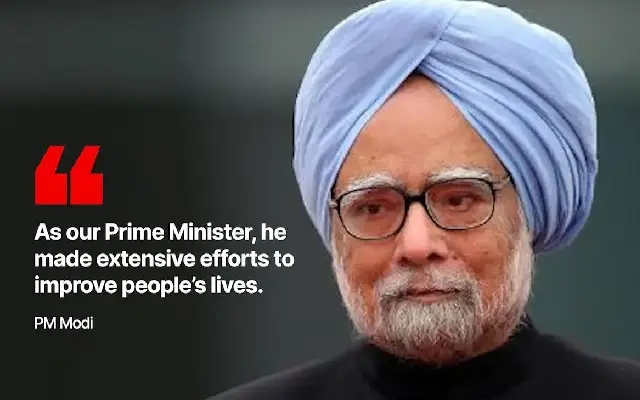


In June 1991, Manmohan Singh, who was then heading the University Grants Commission (UGC), was thrust into Indian politics after receiving a surprise call. Following his return to Delhi from a Netherlands conference, Singh’s son-in-law answered a late-night call from P.C. Alexander, an aide to Prime Minister P.V. Narasimha Rao. The call urged Singh to meet with Rao immediately. Initially dismissing it, Singh eventually found himself swearing in as India’s new Finance Minister on June 21, 1991.
Singh’s appointment marked a historic shift in India’s economic fortunes. At the time, the country was grappling with a severe financial crisis—forex reserves were down to ₹2,500 crore, inflation was rampant, and banks refused to lend money. Singh inherited an economy burdened by excessive regulations under the Licence Raj, which restricted industrial growth.
Within weeks, Singh, alongside Rao, began implementing sweeping reforms. These included dismantling the Licence Raj, opening up industries to foreign direct investment, and devaluing the rupee to boost exports. Public sector reforms and trade liberalization followed suit, with a focus on fiscal discipline.
Despite fierce opposition, particularly from prominent industrialists, Singh’s economic strategies paid off. His legacy extends far beyond his tenure as Finance Minister, as he later led initiatives like MGNREGA and Aadhaar, further cementing his status as a visionary leader who reshaped India’s economic landscape.
Why Global Investors Flock to Bengaluru: Manmohan Singh
#ManmohanSingh #EconomicReforms #IndiaTransformation #FinanceLeadership