







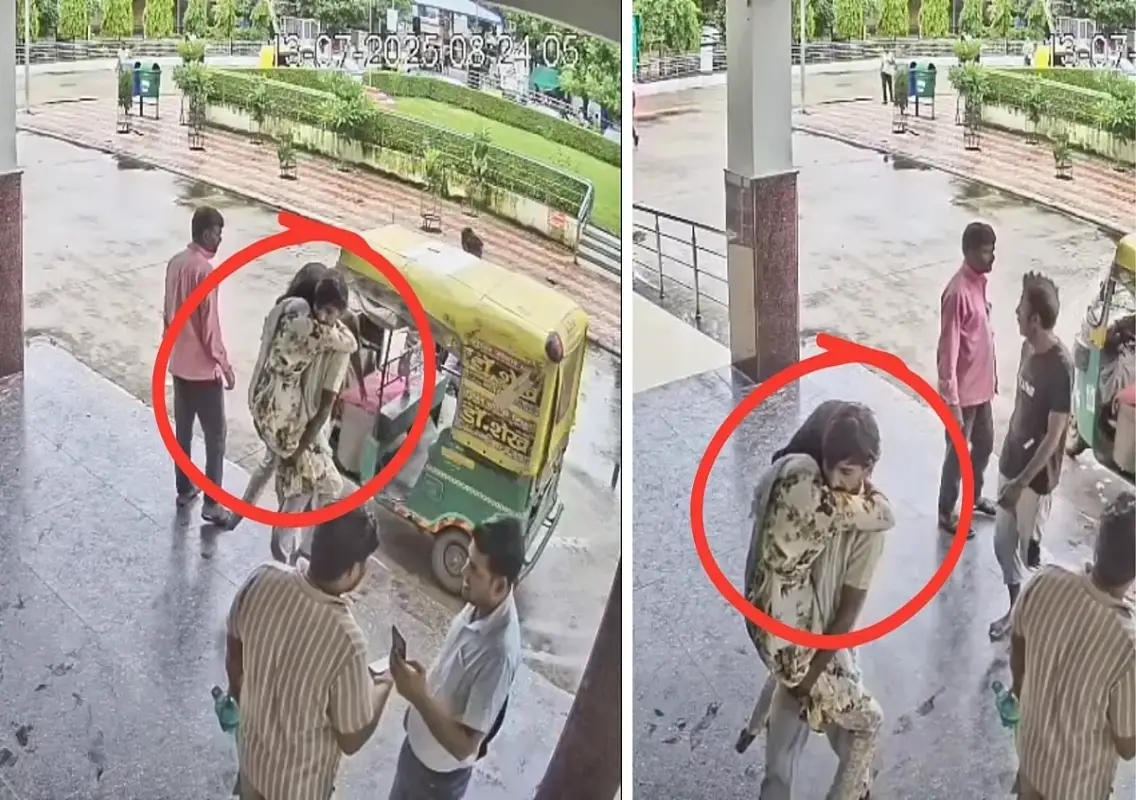


Gwalior: In a tragic and suspicious incident from Malanpur near Gwalior, a woman identified as Soni, a native of Bihar, died after being bitten by an unidentified poisonous insect on Tuesday. She was reportedly in a live-in relationship with a man for the past three years, who allegedly abandoned her at the hospital under a false identity before fleeing.
Man flees after registering her under fake name
According to police sources, the man rushed Soni to the district hospital in Murar in a critical condition, accompanied by their landlord and an auto-rickshaw driver. However, fearing inquiry over documentation and the nature of his relationship with Soni, he allegedly registered her with a fake name and address before escaping.
CCTV footage from the hospital premises helped police trace the auto-rickshaw number used during the emergency. One of the three individuals involved in transporting the woman to the hospital has been arrested.
Couple lived together in rented house for 3 years
Investigations revealed that Soni met the man at Gwalior railway station three years ago. The two developed a friendship that turned into a live-in relationship. They were residing together in a rented house in Malanpur but never officially married.
On the morning of the incident, Soni was allegedly bitten by a poisonous insect, leading to a sudden deterioration in her condition. The man, visibly panicked, sought help from his landlord and hired an auto-rickshaw to take her to the hospital. Despite efforts, Soni succumbed to the effects of the bite during treatment.
Police arrest live-in partner
Superintendent of Police (SP) Dharmveer Singh confirmed the arrest of the man who fled after dropping Soni off at the hospital. “He claimed that he had been living with the woman for three years, but there is no proof of marriage,” the SP told the press.
Authorities are currently investigating whether there was any negligence or foul play involved in Soni’s death. The identity and background of the accused are being verified, and further legal action is expected.
The case has drawn attention to the legal ambiguities surrounding live-in relationships and the challenges of accountability when medical emergencies occur without proper documentation or marital status.