







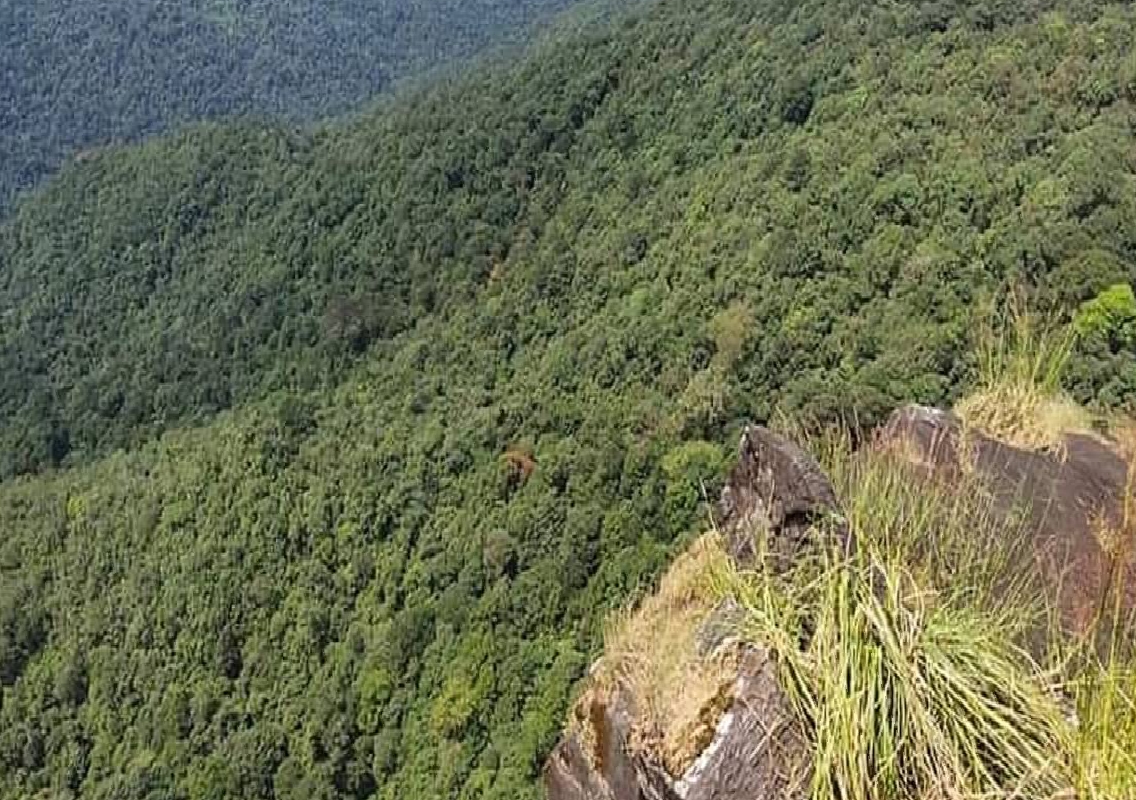


With the deadline to respond to the sixth draft notification for declaring parts of the Western Ghats as an eco-sensitive area (ESA) expiring on Monday, civil society groups and activists have voiced concerns over the state government’s rejection of the notification. They lamented that misinformation has dominated the public discourse surrounding the issue.
The Ministry of Environment, Forest and Climate Change (MoEF&CC) issued the sixth draft notification on July 31, proposing to designate 56,825.7 square kilometres across six states as ESA, with 20,668 square kilometres in 10 districts of Karnataka. The notification affects approximately 1,449 villages in the state. The public was given 60 days to respond, with the state governments expected to communicate their stance by September 27. However, the Karnataka cabinet recently decided to reject the notification, citing public opposition.
Concerns Over Clarity and Communication
Environmental organisations such as Paani.Earth, led by Nirmala Gowda, have highlighted the confusion caused by misinformation spread by vested interests to oppose the notification. They also criticised the lack of clear information on critical issues like river diversion, transmission lines, and linear projects within the ESA. Nirmala, who toured the affected districts in Karnataka, noted that residents were often misled by secondary and tertiary sources. “The draft clearly states that ESA declaration will not lead to displacement, yet misinformation has been spread that people will be forced out of their homes,” she said.
Language Barrier Fuels Misinformation
Sharada Gopal, an activist from Parisarakkagi Naavu, pointed out that the notification is only available in English and Hindi, which has further contributed to the spread of misinformation among local populations who speak Kannada. “This is the sixth notification, which follows nine years of consultations with state governments. The Centre has considered the suggestions of states like Kerala. Despite this, Karnataka’s government has rejected the notification without fully considering the gravity of the situation,” she said.
Sharada also noted that the government’s failure to compensate people displaced by other projects, such as Linganamakki, has made it difficult for people to trust any new proposals. Many residents, who have cultivated lands for decades, fear they will be displaced again.
Activists Call for Implementation of Gadgil Report
Many activists believe the solution lies in implementing the recommendations of the Madhav Gadgil Committee. The Gadgil report had suggested that local gram sabhas should be involved in ESA declarations to ensure that people are part of the conservation process. Sharada urged the government to translate the Gadgil report into local languages and engage directly with communities.
During a consultation meeting organised by the Forest Department, several MLAs claimed that farmers in ESA areas would be prohibited from using pesticides, despite the draft notification clarifying that agricultural practices would remain unaffected.
The Need to Protect Biodiversity
A N Yellappa Reddy, former secretary of the Forest Department and Chairman of the Bangalore Environment Trust, stressed that the Kasturirangan report, which forms the basis of the notification, aims to protect what remains of the Western Ghats’ rich biodiversity. “The destruction of the Ghats over the past three decades has been extensive. We are now only seeking to protect the remnants. If we fail to act, there will be dire consequences for future generations,” he warned.
Reddy also pointed to the increasing occurrence of extreme weather events, exacerbated by climate change, as a reminder of the urgent need for conservation. “We must learn from past mistakes. It is time for people to unite and protect the Western Ghats before it’s too late,” he said.