







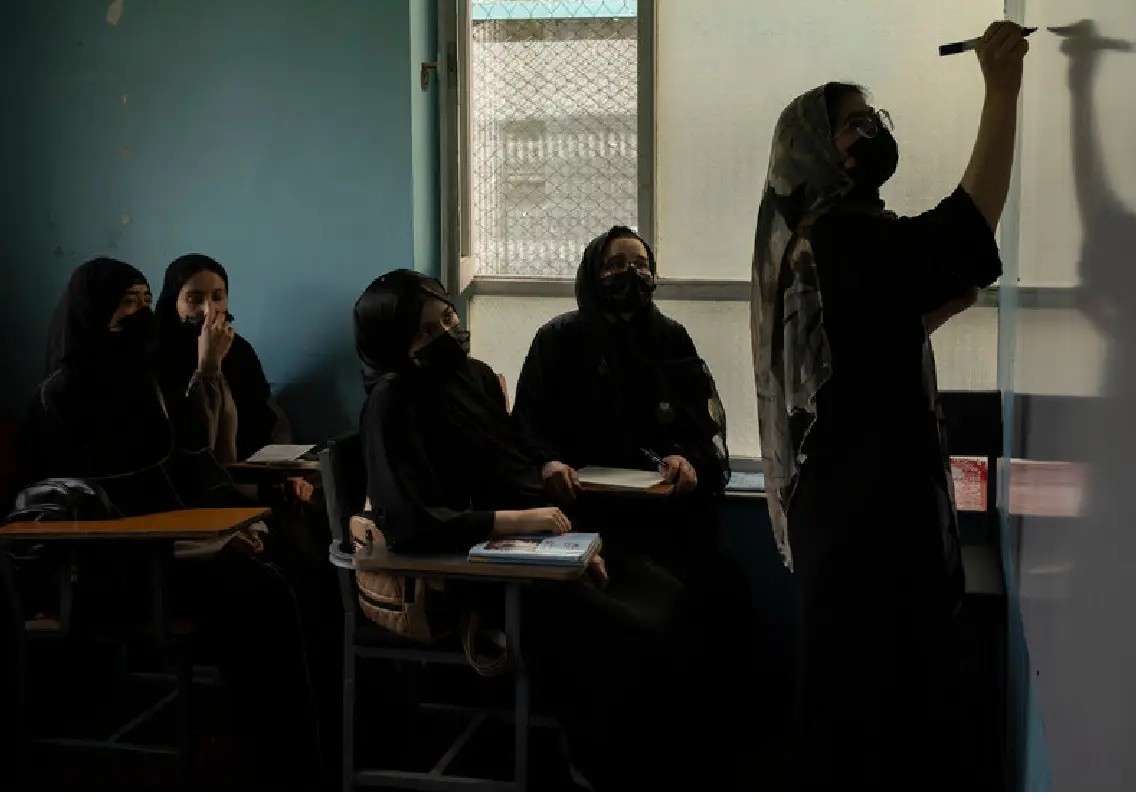


In Afghanistan, girls continue to pursue education in secret classrooms despite the Taliban’s restrictions that have kept millions of them out of formal education.
A report by The New York Times has documented hidden classrooms where Afghan students, teachers and parents are continuing their efforts to keep girls learning despite the risks involved.
Secret classrooms keep education alive
With formal education beyond the permitted level barred for Afghan girls, underground schools have emerged in homes and other discreet locations.
Students attend lessons away from public view, while teachers and families work together to maintain access to education. The classrooms provide girls with an opportunity to continue studying despite restrictions that have disrupted their schooling.
Teachers and families face serious risks
Operating such schools requires secrecy. Teachers must carefully organise classes while parents weigh the desire to educate their daughters against the potential consequences of being discovered.
The hidden nature of the classrooms reflects the difficult circumstances under which education is continuing for many Afghan girls.
Girls refuse to give up on learning
For the students, attending these classes represents more than continuing academic lessons. It allows them to maintain a connection with education at a time when opportunities for girls have been severely restricted.
The persistence of students, teachers and families also demonstrates the lengths to which communities are willing to go to preserve learning.
A quiet struggle for the right to study
The secret schools documented by The New York Times offer a glimpse into an education system operating beyond the reach of Afghanistan’s formal institutions.
Behind closed doors, lessons continue as girls pursue knowledge and families try to protect their educational hopes. Their classrooms may be hidden, but their determination to learn remains visible.