







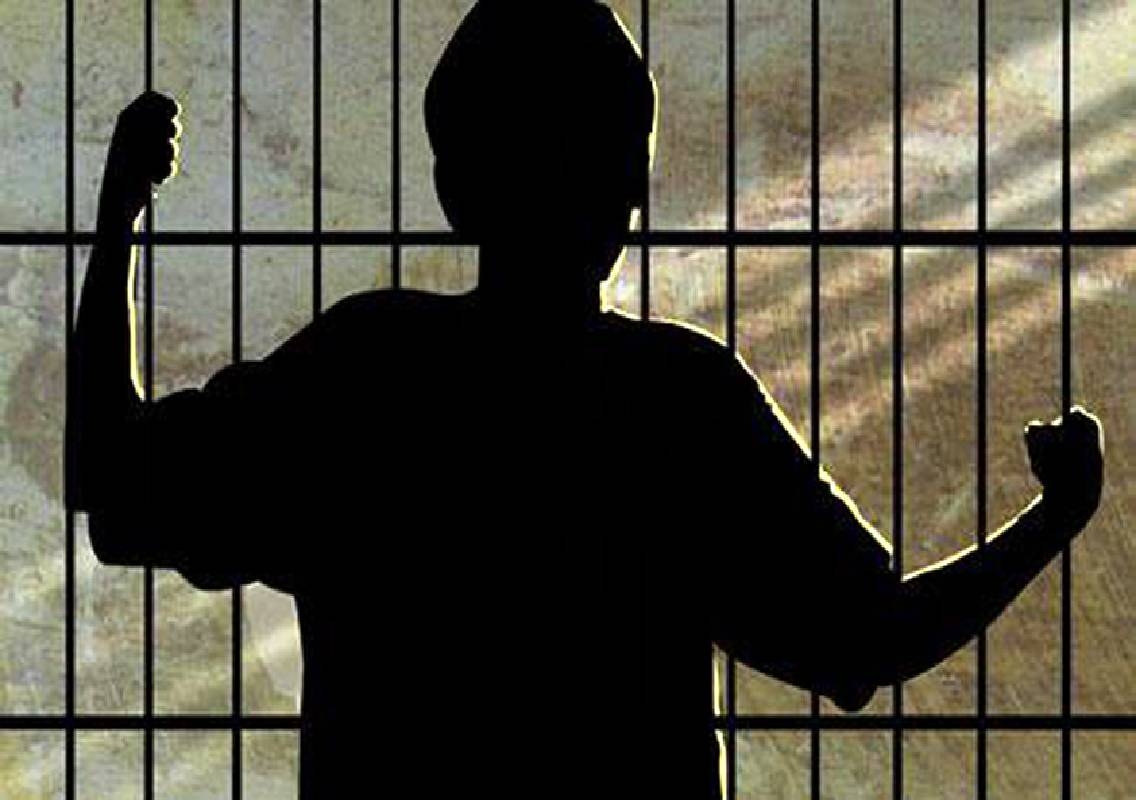


Bengaluru: The Government Special Home for Children in Conflict with Law (CCL) in Bengaluru is facing severe overcrowding after admissions reached an all-time high, raising concerns about infrastructure, staffing and the growing trend of juvenile crime in the city and across the country.
According to officials managing the facility, the special home currently houses 68 inmates despite having a sanctioned capacity of only 50. The centre, located in Sumanahalli and managed by the non-profit organisation Empowerment of Children and Human Rights Organisation (ECHO), has witnessed a steady increase in admissions since December 2025.
Officials said this is the highest number of inmates recorded since the institution was established in 2011 under the Juvenile Justice Care and Protection Act.
Admissions rise steadily since December
Speaking about the situation, Dr Antony Sebastian, founder and executive director of ECHO, said the increase in admissions has become a major operational challenge for the institution.
“The special home has 68 inmates aged between 14 and 22 years, the highest so far since its inception 15 years ago,” he said.
According to the data shared by the organisation, the number of inmates rose from 55 in December to 58 in January, 61 in February and finally touched 68 by the end of April.
Sebastian said the organisation has already approached the Department of Women and Child Development (DWCD), requesting an increase in infrastructure support, staffing and sanctioned capacity to manage the growing numbers.
“There is staff shortage and it is becoming increasingly difficult to handle the rising flow of admissions,” he added.
The rise in admissions also mirrors the findings of the National Crime Records Bureau’s Crime in India 2024 report, which recorded an 11.2 per cent increase in crimes committed by juveniles across the country.
Drug-related cases and serious offences increasing
Officials at the special home expressed concern over the nature of offences committed by several inmates, particularly the rise in drug-related cases and serious crimes under the Protection of Children from Sexual Offences (POCSO) Act.
Superintendent Biju PT stated that among the 68 inmates, nearly 10 to 15 boys aged between 17 and 21 years have been convicted in heinous crime cases.
Additionally, around 20 boys aged between 14 and 18 years are currently housed at the facility under POCSO-related convictions.
Some of the cases involve teenage boys becoming fathers, which has led to legal action under the POCSO Act due to the age of the individuals involved.
“Under certain tribal practices in Karnataka, children aged between 15 and 16 years choose their life partners. This sometimes places them in conflict with the law,” Biju explained.
Officials also highlighted a worrying increase in cases linked to narcotic substances. At present, the home has around 15 inmates booked under the Narcotic Drugs and Psychotropic Substances (NDPS) Act, 1985.
“Earlier, there were hardly any drug-related cases. The increase in NDPS-related admissions is a disturbing trend,” Sebastian said.
Vulnerable backgrounds driving juvenile crime
According to ECHO officials, most children entering the juvenile justice system come from extremely vulnerable socio-economic backgrounds marked by abuse, neglect and trauma.
Sebastian said many of the children were allegedly manipulated or exploited by adults involved in criminal activities.
“In our experience, nearly 98 per cent of children who come into conflict with law belong to disturbed and vulnerable families where they have faced physical abuse, neglect and deprivation,” he said.
He further stated that many juveniles are introduced to drugs and criminal activities by adults who later use them for drug peddling and serious offences.
“Every child who comes into conflict with law was once a child in need of care and protection who was neglected at some point,” he added.
Calls for improved rehabilitation infrastructure
A child in conflict with law refers to a minor below 18 years of age who commits a criminal offence. Such children are tried under the Juvenile Justice Care and Protection Act, 2015, through the Juvenile Justice Board system.
Under the Act, the maximum period of rehabilitation in a special home is three years.
The Bengaluru special home managed by ECHO remains unique in India as it is the only such government-recognised facility operated by a non-governmental organisation.
The centre focuses on rehabilitation through education, vocational training, farming, horticulture and community-based programmes aimed at reintegrating children into society.
The facility receives complete funding from the Karnataka government, with a sanctioned allocation of Rs 3,000 per inmate per month. The amount covers accommodation, food, education and medical expenses for up to 50 inmates.
However, with admissions now exceeding sanctioned capacity, officials say urgent intervention is required to strengthen infrastructure and ensure proper rehabilitation support for children housed at the facility.