









Bengaluru: The Karnataka government will host ‘Bengaluru Jatre’, a 10-day city-wide celebration from December 4 to 13, bringing culture, music, art, food, heritage, creativity and community celebrations into streets, parks, neighbourhoods, institutions and public spaces across the city.
The initiative draws inspiration from Karnataka’s traditional Ooru Habba or Jatre, where an entire community comes together to celebrate. Unlike a conventional festival centred around a single venue, Bengaluru Jatre will be decentralised, with different parts of the city participating through their own programmes and activities.
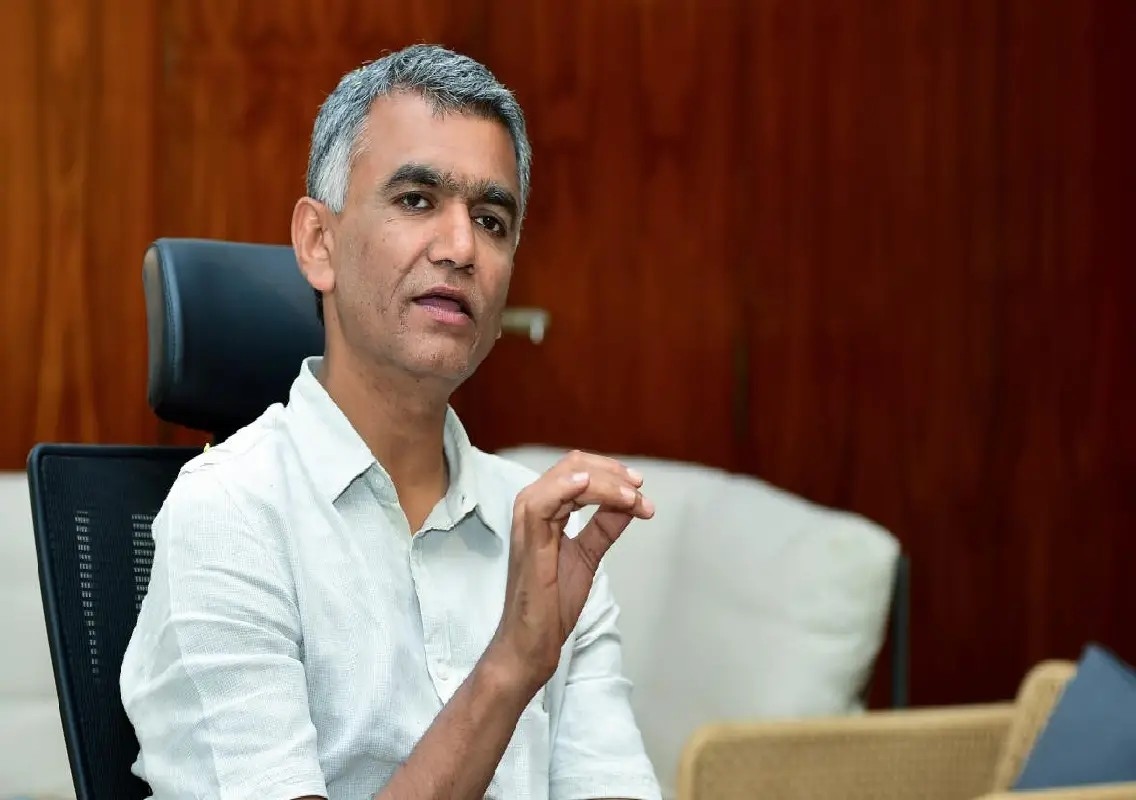
Greater Bengaluru Development Minister Krishna Byre Gowda announced the initiative on Saturday and said the government has a responsibility to promote Karnataka’s rich artistic and cultural traditions alongside improving Bengaluru’s infrastructure.
Bengaluru itself to become the stage
Gowda said improving roads, water supply, traffic management and other civic infrastructure remains an essential responsibility of the government. However, he stressed that improving the quality of life also requires opportunities for citizens to experience and celebrate art, culture, literature, music, sport, heritage and history.
During Bengaluru Jatre, streets, parks, public spaces, neighbourhoods, educational institutions, museums, cultural centres, corporate campuses and other institutions will be invited to organise programmes.
These could include music, dance, theatre, food festivals, literature programmes, art exhibitions, science events, heritage activities, innovation showcases and community celebrations.
“There will be no single Jatre ground and no single central stage. Instead, Bengaluru itself will become the stage,” Gowda said, describing the event as a decentralised and collaborative city-wide platform.
Every neighbourhood can create its own celebration
Officials said the format will allow individual neighbourhoods and institutions to decide how they want to participate.
One neighbourhood could organise a music programme, while another could showcase local food. A museum could curate a special exhibition, while a college could conduct an innovation showcase.
Similarly, parks could be converted into performance spaces, corporate campuses could host cultural programmes, and libraries or research institutions could take knowledge and science into public spaces.
The idea is to allow Bengaluru’s diverse communities to celebrate their own identities while participating in a larger city-wide festival.
Gowda emphasised that unity does not require uniformity, pointing to Bengaluru’s many cultural expressions and communities.
Government to act as facilitator
The government will primarily function as a catalyst, facilitator and connector rather than as a central controller of the festival, according to Gowda.
Government agencies will organise programmes across the city, with all such government-supported programmes to be free to attend. The government will also work to bring participating institutions together, facilitate permissions and access to public infrastructure, open suitable public spaces and provide a common identity and communication platform.
The government will also identify gaps in programming and support activities where necessary.
The approach is intended to encourage wider participation from citizens, cultural organisations, educational institutions, businesses and civil society rather than restricting the festival to government-organised events.
Government agencies to join Bengaluru Jatre
The five corporations under the Greater Bengaluru Authority could activate streets, parks and grounds through citizen-led activities, Gowda said.
The Kannada and Culture Department is expected to showcase Karnataka’s artistic and cultural traditions at different locations across Bengaluru.
The Tourism Department and Karnataka State Tourism Development Corporation (KSTDC) could use heritage assets and create experiences specifically linked to Bengaluru.
Gowda also suggested that the Bengaluru Metro Rail Corporation Limited (BMRCL) could explore busking and cultural programmes at Metro concourses.
The Bengaluru Metropolitan Transport Corporation (BMTC), meanwhile, could carry the Bengaluru Jatre identity across its bus network, helping make the festival visible throughout the city.
Schools, colleges and institutions invited
Educational institutions are also expected to play a significant role in the festival.
The collegiate, primary and higher education departments could facilitate participation by institutions under their respective jurisdictions.
Schools and colleges, museums, galleries, science centres, cultural institutions and corporate campuses could all become venues for Jatre-related programmes.
This would provide students and young people with opportunities not only to attend events but also to participate in organising and presenting them.
Opportunities for artists and communities
Gowda said Bengaluru Jatre would create opportunities for artists, students, young people and communities to contribute and express themselves.
The initiative is also expected to encourage collaboration between government departments, cultural institutions, educational organisations, businesses and civil society groups.
By distributing activities across the city, the organisers hope to create a festival that reflects Bengaluru’s diverse neighbourhoods rather than presenting a single, centrally curated cultural programme.
The model could also allow smaller cultural groups and local communities to participate without having to move their activities to a large central venue.
Bengaluru Jatre follows Freedom Habba
The city-wide celebration follows the success of Freedom Habba, the people-centric Independence Day celebration held around Vidhana Soudha on August 15.
Freedom Habba transformed what is traditionally a ceremonial occasion into a public celebration, bringing people into a space associated largely with government and official functions.
Bengaluru Jatre seeks to build on that approach by taking cultural celebrations beyond a single venue and into different parts of the city.
Ten days of city-wide celebrations
With Bengaluru Jatre scheduled from December 4 to 13, residents and visitors can expect a broad range of cultural, artistic, educational and community activities across the city.
The decentralised format means that the experience of the festival is likely to differ from one neighbourhood to another, reflecting Bengaluru’s distinctive communities, institutions and cultural spaces.
The government hopes that the initiative will strengthen public participation in the city’s cultural life while demonstrating that Bengaluru’s identity extends beyond infrastructure and urban development.
By turning streets, parks, institutions and neighbourhoods into potential venues, Bengaluru Jatre aims to make the city itself the centre of a 10-day celebration of Karnataka’s culture and Bengaluru’s diverse urban character.