







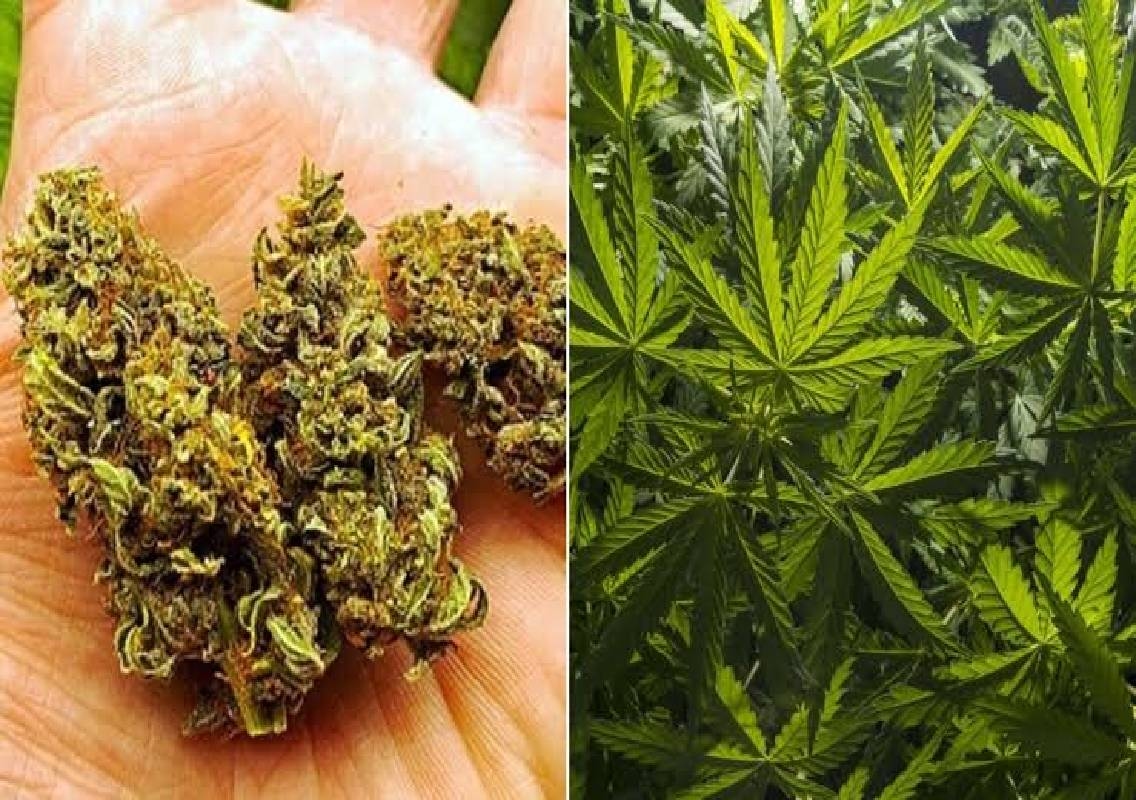


Bengaluru: A man from Bengaluru was arrested in Andhra Pradesh with 10 kg of ganja, according to a report by The Times of India. The seizure has brought attention to the movement of illegal drugs across state borders and ongoing efforts by law enforcement agencies to curb drug trafficking in the region.
The arrest was reported on September 10, with the accused being identified as a Bengaluru resident. However, the available report does not disclose his name or provide further details about the circumstances leading to the arrest.
The case is significant because the seizure involves 10 kg of cannabis, indicating a quantity considerably beyond what would typically be associated with personal possession. The incident is also part of wider concerns over the movement of narcotic substances between Karnataka and neighbouring states.
Bengaluru man held with 10 kg of ganja
According to the report, the accused, who is from Bengaluru, was arrested in Andhra Pradesh after authorities found 10 kg of ganja in his possession.
The seizure was made during action by law enforcement authorities in Andhra Pradesh. Details regarding the exact location of the arrest, the circumstances in which the suspect was intercepted and whether anyone else was involved were not provided in the available report.
Police and other enforcement agencies routinely monitor inter-state routes because narcotic substances can be transported between states through road and other transport networks.
In this case, the arrest of a Bengaluru resident in Andhra Pradesh highlights the inter-state dimension of drug-related offences and the need for coordination between enforcement agencies in different jurisdictions.
Drug trafficking remains a concern across southern states
The movement of ganja and other narcotic substances remains a concern for law enforcement agencies across southern India. Karnataka shares borders with several states, including Andhra Pradesh, Telangana, Tamil Nadu, Kerala and Goa, creating an extensive network of road and transport routes.
Bengaluru, as a major metropolitan city and transport hub, has also emerged in several investigations involving the movement and distribution of illegal drugs.
Authorities have stepped up action against drug peddling and trafficking in recent years, with seizures often leading investigators to examine the wider supply chain. Such investigations can involve tracing where the substance originated, who transported it and who was expected to receive it.
The latest arrest in Andhra Pradesh could similarly form part of an investigation into the circumstances surrounding the movement of the seized ganja.
10 kg seizure prompts further investigation
A seizure of this quantity can lead investigators to examine whether the accused was allegedly transporting the substance for distribution or whether other individuals were involved.
However, the available report does not establish the intended destination of the ganja or identify any alleged recipients. It also does not provide details about whether the accused was travelling by road, public transport or another means when he was detained.
These details would typically be established during the course of the investigation.
Investigators may also examine communications, travel details and other available evidence to determine the circumstances surrounding the possession and movement of the substance.
At this stage, it is important not to draw conclusions about the accused’s alleged role beyond the reported arrest and seizure.
Inter-state coordination important in drug cases
Drug trafficking cases that cross state boundaries often require coordination between police forces and enforcement agencies in multiple jurisdictions.
When narcotics are seized in one state from a person linked to another state, investigators may examine the source and intended destination of the substance. Information gathered during questioning can also help authorities determine whether the seizure is connected to a larger supply chain.
The Bengaluru connection in the latest case makes the incident relevant to Karnataka as well as Andhra Pradesh. Further investigation is expected to establish whether the accused was allegedly acting independently or whether others were involved.
No such wider connection has been established in the information currently available.
Ganja possession can attract NDPS action
Ganja is regulated under India’s narcotics law, the Narcotic Drugs and Psychotropic Substances (NDPS) Act. Possession, transportation and trafficking of prohibited quantities of narcotic substances can attract criminal proceedings under the law.
The legal consequences depend on the quantity involved and the specific allegations established by investigators. The quantity seized in the present case is therefore an important part of the investigation.
However, an arrest or seizure does not by itself establish guilt. The allegations will have to be supported by evidence and dealt with through the legal process.
Investigation expected to establish full details
The latest report provides only limited information about the arrest. The identity of the Bengaluru man, the exact location in Andhra Pradesh where he was detained and the circumstances surrounding the seizure have not been disclosed in the accessible report.
Further details could emerge as the investigation progresses and authorities establish the source of the ganja, its intended destination and the accused’s alleged role.
For Bengaluru, the case once again highlights concerns surrounding the movement of illegal drugs and the importance of coordinated enforcement across state borders.
Authorities continue to face the challenge of identifying not only individuals found in possession of narcotics but also the wider networks that may facilitate their transportation and distribution.
For now, the Bengaluru man remains an accused in the case, and the allegations against him have not been judicially established.