


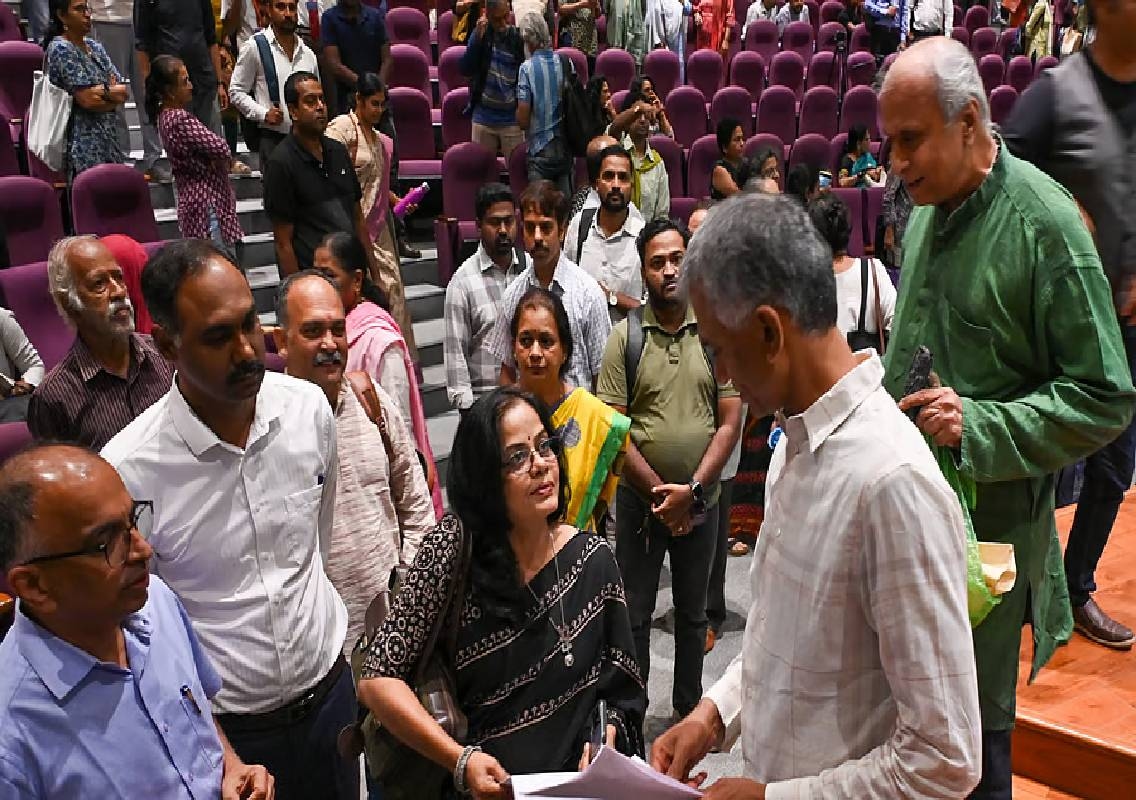


Bengaluru: Bengaluru could soon see a new group of citizen volunteers helping authorities improve waste segregation, monitor garbage collection and prevent the formation of garbage blackspots. The proposal to introduce “waste wardens” was discussed during a citizen consultation on solid waste management held in the city on September 24.
The proposal has been put forward by Bengaluru Development Minister Krishna Byre Gowda, who suggested creating a volunteer network similar to the city’s traffic warden system. The proposed wardens would work at the neighbourhood level, helping residents understand their responsibilities and supporting civic authorities in monitoring waste-management practices.
The idea is still at a conceptual stage, with details such as selection, training, responsibilities and possible incentives yet to be finalised.
What will waste wardens do?
Under the proposal, waste wardens would primarily function as community-level volunteers.
Their responsibilities could include educating residents about waste segregation at source, ensuring that household waste is handed over to designated collection vehicles and helping monitor whether garbage collection is taking place properly in their localities.
The volunteers could also help identify and prevent the emergence of garbage blackspots, which are locations where waste is repeatedly dumped.
Another possible role would be supporting waste-management arrangements during large public events, where temporary increases in waste generation can put additional pressure on civic systems.
The proposal is intended to increase citizen participation rather than replace the existing workforce involved in waste collection and monitoring.
Proposal inspired by traffic wardens
Gowda drew a comparison with Bengaluru’s traffic warden programme while discussing the idea.
The proposed system would encourage residents who are interested in contributing to civic improvement to volunteer in their neighbourhoods. Their role would focus largely on communication, awareness and local monitoring.
The minister said communication with citizens was important for improving compliance with basic waste-management responsibilities, including segregation, handing waste to collection vehicles and avoiding littering.
The model would therefore depend significantly on volunteers being able to engage with residents and encourage better waste-handling practices within communities.
How will they differ from existing staff?
One of the questions raised during the consultation is how the proposed waste wardens would fit into Bengaluru’s existing waste-management structure.
The Bengaluru Solid Waste Management Ltd (BSWML) already has personnel such as marshals, link workers, community mobilisers and junior health officers involved in different aspects of waste management.
Their existing responsibilities include monitoring garbage collection vehicles, encouraging segregation at source, educating residents and addressing littering within their respective areas.
This means that there could be some overlap between the proposed volunteer wardens and existing personnel.
The exact division of responsibilities has not yet been finalised, and authorities will need to determine how a volunteer network could complement rather than duplicate the work already being carried out by civic staff.
Citizens could receive a formal role
The proposal could provide residents with a more structured way to participate in local waste-management efforts.
Instead of depending entirely on municipal personnel to identify problems, trained volunteers could report recurring issues in their neighbourhoods and communicate directly with residents about segregation and collection practices.
Such a system could potentially provide authorities with additional local-level information about garbage accumulation, missed collections and recurring blackspots.
However, the effectiveness of the proposal would depend on clear responsibilities, adequate training and coordination between volunteers and existing waste-management teams.
Debate over payment and incentives
The question of whether waste wardens should receive an honorarium or other incentives also came up during the consultation.
Some participants suggested that volunteers should be provided with financial incentives to encourage participation and recognise their contribution to maintaining cleaner neighbourhoods.
Gowda indicated that the original idea was for the programme to remain volunteer-driven, with people participating because they wanted to contribute to the city.
He also pointed out that existing marshals and link workers are already paid as part of the waste-management system. Whether waste wardens should also receive payment would require further consideration.
The issue is therefore yet to be settled.
Waste workers seek a role in consultations
The proposal comes amid a wider discussion about how Bengaluru’s waste-management system should be strengthened.
The BBMP Pourakarmikara Sangha, affiliated with the All India Central Council of Trade Unions, has separately called for pourakarmikas and their unions to be included in discussions on solid waste management.
The union submitted a memorandum to Gowda on September 23, raising issues including staffing, protective equipment, health check-ups and the working conditions of pourakarmikas, drivers and loaders.
The development is significant because pourakarmikas and other frontline workers already play a central role in Bengaluru’s daily waste-management operations.
While the proposed waste wardens would be citizen volunteers, the existing workforce would continue to be responsible for core operational activities such as collection and handling of waste.
Bengaluru’s focus on citizen participation
The waste-warden proposal follows other recent efforts to involve citizens in addressing local waste problems.
In August, authorities had also asked citizens to report garbage dumped on vacant plots through the ‘Clear It’ app as part of a city-wide effort to address waste accumulation on private sites.
The approach reflects an increasing emphasis on community participation in addition to conventional municipal enforcement and collection systems.
For a city as large as Bengaluru, authorities face challenges in monitoring waste-related problems across residential areas, commercial locations and vacant sites. Citizen reporting and neighbourhood-level participation can provide another channel for identifying such issues.
Training will be important
If the proposal moves ahead, training is likely to be an important component of the programme.
Volunteers would need to understand the city’s waste-segregation requirements, collection arrangements and procedures for reporting violations or recurring problems.
They would also need to know the limits of their role. Since the wardens would be volunteers rather than enforcement officers, their responsibilities would have to be clearly defined to avoid conflicts with residents or duplication with municipal personnel.
A structured reporting system could allow wardens to pass information to the appropriate civic teams rather than attempting to directly enforce waste-management rules.
Large events could also benefit
Bengaluru hosts numerous public, cultural and commercial events throughout the year, many of which generate substantial quantities of waste.
Under the proposal, waste wardens could potentially assist during such events by helping with awareness campaigns, monitoring waste segregation and identifying areas where garbage begins to accumulate.
Their involvement could supplement arrangements made by organisers and civic agencies, particularly in areas with large crowds.
However, the details of how volunteers would be deployed during events have not yet been finalised.
Proposal still at an early stage
The waste-warden concept is currently a proposal and has not yet become an established city-wide programme.
Authorities will need to decide how volunteers are selected, what training they receive, how their work is monitored and how they communicate with existing waste-management personnel.
The question of whether they will receive an honorarium also remains open.
The consultation has nevertheless brought the idea into the wider conversation about improving Bengaluru’s waste-management system and increasing public participation.
Conclusion
Bengaluru may introduce a network of citizen waste wardens to encourage waste segregation, monitor garbage collection and help prevent blackspots. The proposal, discussed during a September 24 public consultation, is modelled partly on the city’s traffic warden system.
The plan remains at the conceptual stage, and its final structure has not been decided. Authorities will need to clarify how the volunteers will work alongside existing marshals, community mobilisers and waste workers. If implemented, the initiative could give citizens a more formal role in supporting neighbourhood-level waste management.