







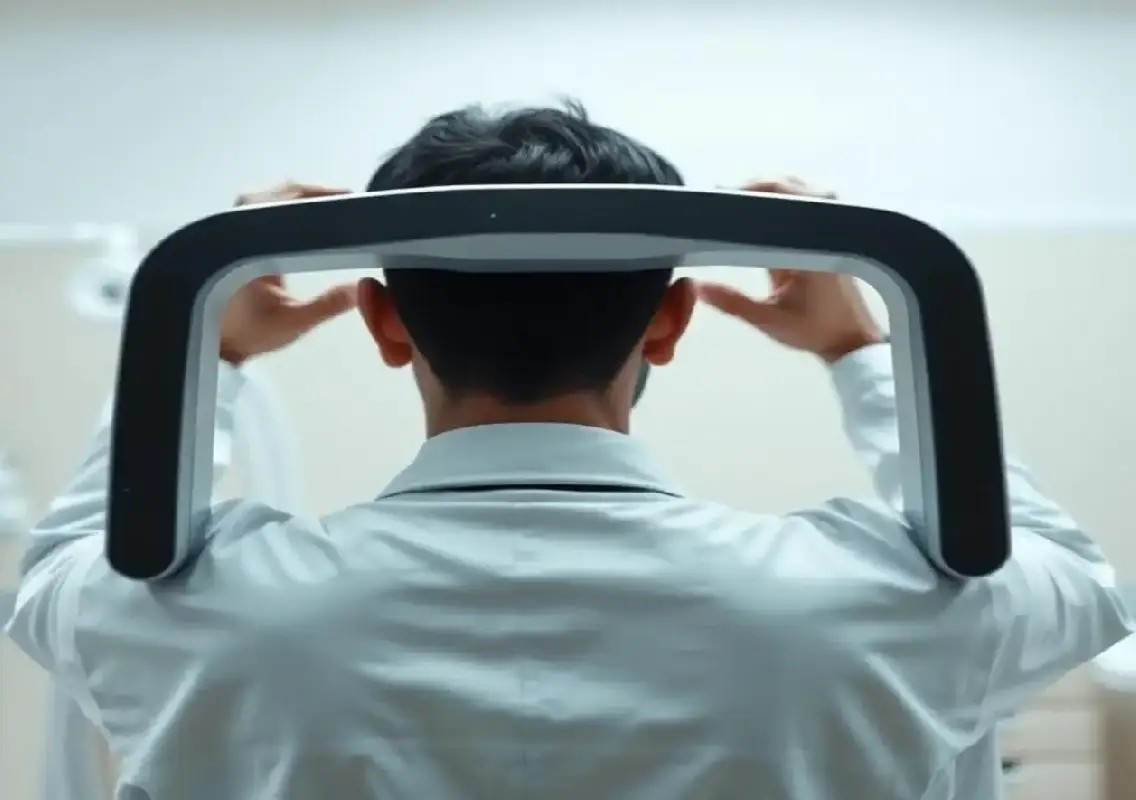


A Bengaluru-based professor and researcher is gaining attention for developing artificial intelligence-powered healthcare tools, including retinal scanning systems and sensor-enabled hospital beds, that are now reportedly being used in more than 200 hospitals.
The innovations are being seen as an example of how Indian researchers are combining healthcare and technology to improve medical diagnosis and patient monitoring.
AI tools designed for early diagnosis
According to reports, the researcher developed retinal scanning technology capable of assisting doctors in identifying health conditions through eye scans using artificial intelligence algorithms.
Medical experts say retinal imaging can help detect diseases such as diabetes, hypertension and neurological disorders because blood vessels and nerve structures in the eye often reflect broader health conditions.
The AI-supported systems are designed to improve speed, accuracy and accessibility in early-stage screening.
Smart beds improve patient monitoring
The professor has also reportedly developed sensor-enabled hospital beds capable of monitoring patient movement, health indicators and emergency conditions in real time.
Healthcare specialists say such smart systems can help reduce response time during medical emergencies, especially in intensive care and elderly care settings.
The technology is also expected to assist hospitals in improving patient safety and reducing manual monitoring burdens on healthcare staff.
Bengaluru’s innovation ecosystem highlighted
The development reflects Bengaluru’s growing role as a hub for healthcare innovation, artificial intelligence research and medical technology startups.
Experts believe collaborations between researchers, hospitals and technology developers are helping India build cost-effective healthcare solutions with large-scale public impact.
Affordable AI-driven healthcare tools are increasingly becoming important in improving access to medical services across urban and rural regions.
Technology transforming healthcare
Medical professionals say AI-powered diagnostic systems can support doctors by identifying patterns quickly and assisting in preventive healthcare.
However, experts also stress that such technologies should complement clinical expertise rather than replace medical professionals.
The success of the Bengaluru-developed systems highlights the growing influence of Indian innovation in addressing healthcare challenges through practical and scalable technology solutions#Bengaluru #ArtificialIntelligence #Healthcare #Innovation #Technology #newskarnataka