







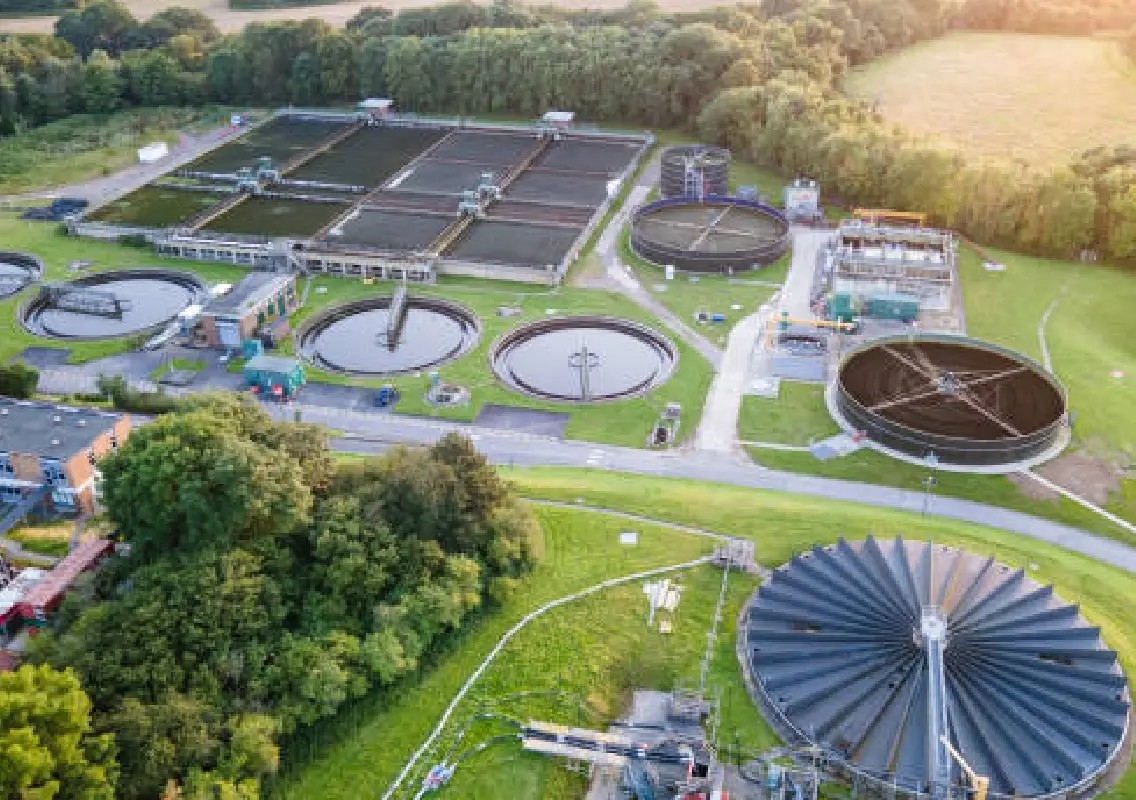


A Bengaluru-based company is drawing attention for its innovative approach to wastewater management by converting sewage and industrial wastewater into clean reusable water and biogas.
At a time when fuel prices and environmental concerns continue to rise, the company’s sustainable model is being seen as an important step towards circular economy practices and resource conservation.
Turning waste into valuable resources
Traditional wastewater systems have largely followed a linear process — use water, treat it, and discharge it. However, the Bengaluru firm is working on a different approach by recovering energy and reusable resources from wastewater instead of treating it as waste alone.
Using specialised treatment technologies, the company reportedly converts organic waste present in wastewater into biogas, which can be used as an alternative fuel source. The treated water can also be reused for industrial operations, landscaping, and other non-drinking purposes.
Focus on sustainability and fuel savings
Experts say such innovations can significantly reduce dependence on conventional fuels while also helping industries manage water shortages more efficiently.
With urban centres facing increasing pressure on water resources, decentralised wastewater treatment and reuse systems are gaining importance across India, especially in rapidly growing cities like Bengaluru.
Environmentalists have also highlighted the role of such technologies in reducing pollution, lowering carbon emissions, and improving sustainable urban infrastructure.
Bengaluru emerging as innovation hub
Bengaluru continues to strengthen its reputation as a centre for sustainability-driven innovation, with several startups focusing on clean energy, waste management, and climate-focused technologies.
Industry observers believe wastewater-to-energy solutions could become increasingly relevant in the coming years as cities look for smarter ways to manage resources and reduce operational costs.
The initiative has also sparked conversations around the need for stronger policy support and wider adoption of sustainable water management practices.