







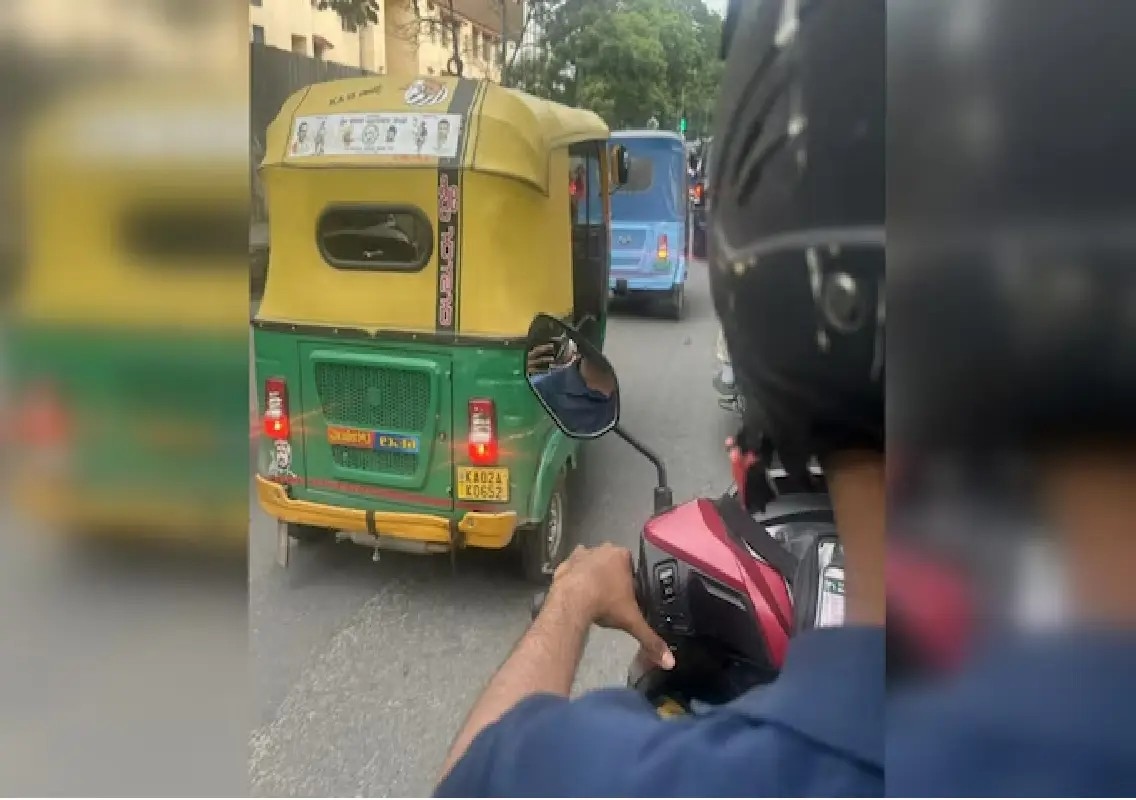


Bengaluru: A viral social media post has reignited discussions about the rising cost of living in India’s metropolitan cities after a software engineer reportedly revealed that he drives a Rapido bike taxi on weekends despite earning a six-figure salary at a multinational company.
The story, shared by an X user named Shabaz, has resonated with thousands online, prompting conversations about inflation, housing expenses, family responsibilities and the growing trend of side hustles among urban professionals.
A routine ride turns into a revealing conversation
According to Shabaz, the incident occurred during a Rapido ride to Bannerghatta in Bengaluru. What began as a casual interaction soon evolved into a discussion about careers and financial realities.
The rider initially spoke in Kannada before switching to English after realising his passenger was not fluent in the language. During the conversation, the rider asked Shabaz about his profession.
When Shabaz mentioned that he worked as a software engineer, he was surprised by the rider’s response.
The rider disclosed that he too was employed as a software developer at a multinational corporation and earned a six-figure monthly salary. However, he spent his weekends operating a Rapido bike taxi to generate additional income.
Family responsibilities drive extra earnings
The software professional reportedly explained that his decision to take up weekend work was motivated by family responsibilities rather than financial hardship alone.
Married and raising a young child, he said he wanted to provide greater financial security for his family and strengthen his long-term financial position. The additional income from weekend rides was one way of supplementing his regular earnings.
The revelation challenged the commonly held perception that a six-figure salary automatically guarantees financial comfort in major urban centres.
Post triggers widespread discussion online
The experience left a strong impression on Shabaz, who later shared the story on social media.
Reflecting on the encounter, he questioned how expensive life in Bengaluru and other Tier-1 cities had become if even highly paid technology professionals felt compelled to pursue additional sources of income.
The post quickly gained traction, attracting comments from professionals, entrepreneurs and residents who shared their own experiences with rising living costs.
Many users pointed to increasing expenses related to housing, education, healthcare, transportation and lifestyle needs as factors placing pressure on middle-class households.
Mixed reactions from social media users
While many social media users sympathised with the software engineer, others offered a different perspective.
Some argued that taking up a bike taxi service as a side hustle may not be the most effective long-term strategy for professionals in the technology sector. Instead, they suggested investing spare time in acquiring new skills, earning certifications or preparing for higher-paying positions that could potentially generate greater returns.
Others maintained that side hustles provide immediate supplemental income and financial flexibility, especially for individuals managing growing family expenses.
Changing economics of urban living
The viral story has highlighted broader concerns regarding affordability in India’s largest cities. Bengaluru, often regarded as the country’s technology capital, has witnessed significant increases in housing rents, property prices and service costs in recent years.
For many professionals, salaries that were once considered highly comfortable are increasingly being stretched by rising living expenses and aspirations for improved financial security.
Economic experts note that changing lifestyle expectations, inflation and long-term financial planning goals have encouraged many urban workers to explore secondary income sources.
Side hustles becoming more common
The discussion sparked by the post reflects a wider trend of professionals engaging in freelance work, consulting, content creation, ride-sharing services and other income-generating activities outside their primary jobs.
While opinions differ on the effectiveness of such efforts, the story has struck a chord because it illustrates the financial pressures faced by many middle-class families despite stable and well-paying careers.
As living costs continue to rise across major Indian cities, the debate surrounding income, affordability and financial security is likely to remain a topic of public discussion.