







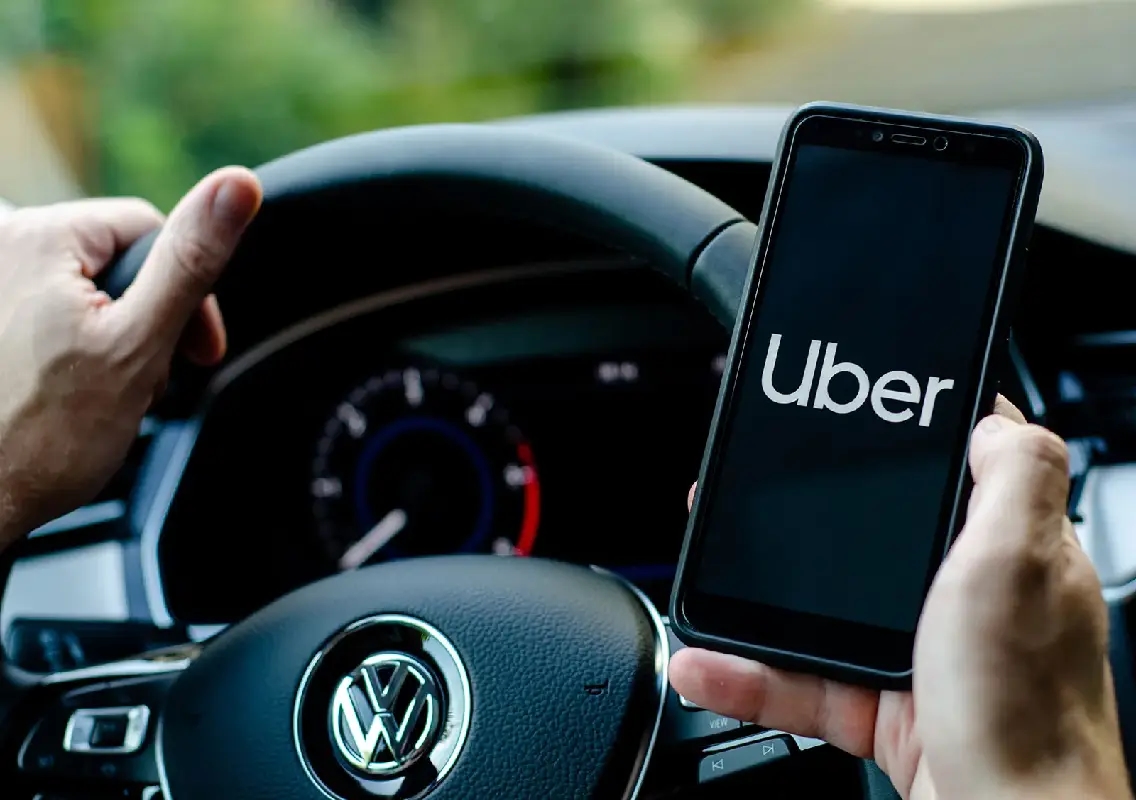


Bengaluru: Uber has expanded its footprint in Bengaluru by launching its B2B logistics service, Uber Direct, alongside metro ticketing integration for Namma Metro, both powered by the Open Network for Digital Commerce (ONDC). These initiatives mark a significant step in Uber’s efforts to build a connected, digital-first ecosystem for mobility and commerce in one of India’s most tech-forward cities.
How Uber Direct works
Uber Direct is an enterprise-focused service, distinct from Uber Courier, which is available for direct consumer bookings. With Uber Direct:
- Customers place orders on a brand’s website or app.
- Uber fulfils deliveries seamlessly in the background.
- End users do not directly interact with Uber.
Currently live in Bengaluru, Uber Direct supports deliveries of groceries, essentials, and gifts, providing brands with a plug-and-play logistics layer. Uber has announced plans to expand the service to food deliveries, partnering with brands like KFC, Burger King, Three Bolt, and several local restaurants.
Prabhjeet Singh, President of Uber India and South Asia, explained that Uber Direct leverages Bengaluru’s innovation-driven ecosystem. “Our vision is to go anywhere and get anything. With 1.5 million active earners using this network, our focus is on ensuring service quality meets consumer expectations,” Singh said. He also highlighted that Uber Direct provides additional earning opportunities for drivers, keeping them engaged on the platform longer.
Metro ticketing integration
The ONDC-powered transit integration allows Bengaluru commuters to purchase QR-based Bangalore Metro Rail Corporation Limited (BMRCL) tickets directly on the Uber app, using UPI as the payment option. The app also offers real-time metro updates, making first- and last-mile travel more seamless.
Dr T Ravishankar, Managing Director of BMRCL, welcomed the integration, calling it a boost to efficient travel and connectivity in the city. The metro ticketing feature is already live in Delhi, Mumbai, and Chennai and is now extending to Bengaluru.
Industry perspective
Vibhor Jain, acting CEO and COO of ONDC, said Uber Direct demonstrates the potential of interoperable commerce, offering businesses a standardised and scalable logistics backbone. Uber is using Bengaluru as a model to showcase how digital public infrastructure can simplify delivery and enterprise logistics across India.
Singh also mentioned ongoing discussions about introducing Uber Shuttle in Bengaluru. “These are early days. Uber Shuttle is live in Delhi and Kolkata, and has been well-received by consumers. We are in talks with the government and stakeholders to bring it to Bengaluru in the right form and at the right time,” he added.
Looking ahead
Uber plans to expand both Uber Direct and metro ticketing integrations to additional cities in 2026, reinforcing its role in India’s growing mobility, logistics, and digital commerce ecosystem. By integrating enterprise logistics with public transit solutions, Uber aims to create a seamless experience for both businesses and commuters while leveraging the growing digital infrastructure in India.