


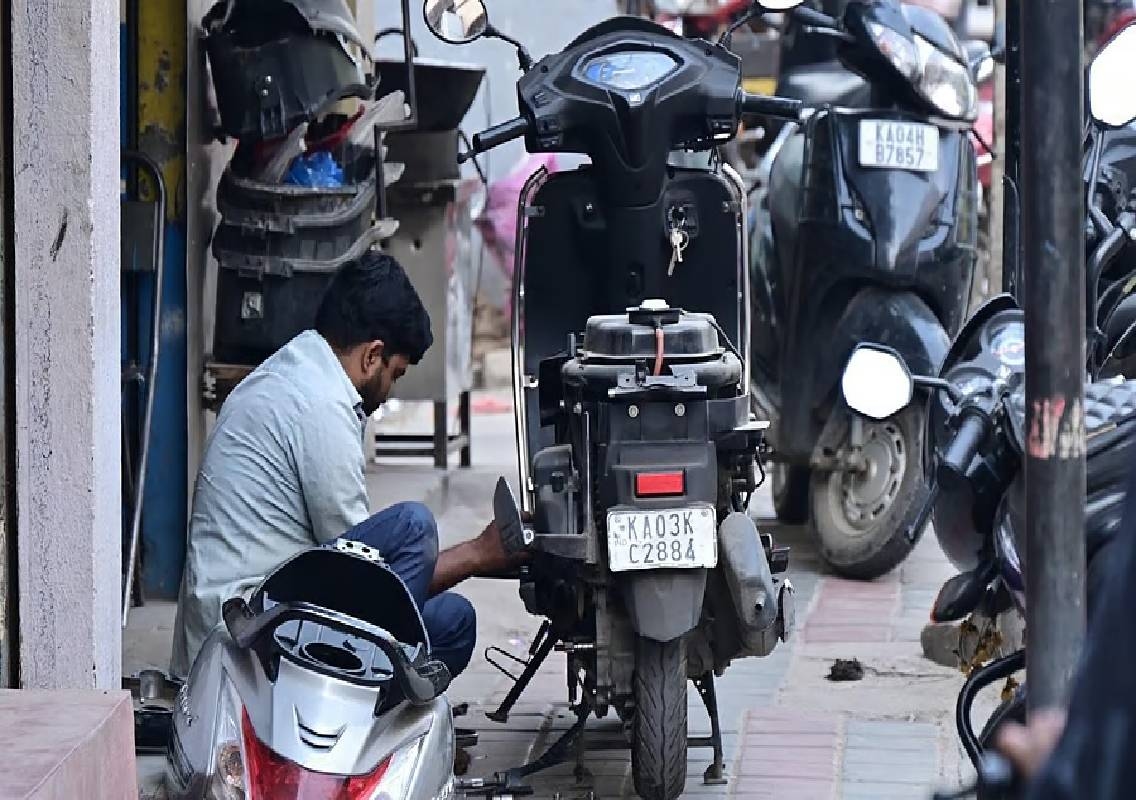


Bengaluru: Motorists across Bengaluru are reporting vehicle-related problems, including reduced mileage, engine trouble and unexpected stalling, amid growing concerns over the ethanol content in petrol. The complaints have brought renewed attention to the quality of ethanol-blended fuel and its compatibility with vehicles on Indian roads.
The issue has intensified after the Karnataka government alleged that petrol samples collected from several locations contained ethanol levels exceeding the prescribed 20 per cent blend under the E20 programme. The state government has initiated inspections and testing following complaints from vehicle owners.
Motorists report reduced mileage and engine problems
Vehicle owners have reportedly raised concerns about a drop in fuel efficiency and an increase in vehicle-related problems after using ethanol-blended petrol. Some motorists have complained that their vehicles are covering fewer kilometres than expected, while others have reported engine performance issues and vehicles stopping unexpectedly while in motion.
The concerns have particularly affected owners of vehicles that may not be designed to operate with higher ethanol concentrations. Motorists have also questioned whether the fuel currently being supplied is suitable for older vehicles and whether the blending percentage is being communicated clearly at petrol stations.
The Karnataka government has said it has received thousands of complaints from motorists regarding reduced mileage, engine malfunction and unexpected stalling.
Karnataka government alleges excessive ethanol blending
The controversy gained momentum after Food, Civil Supplies and Consumer Affairs Minister Rizwan Arshad announced that petrol samples collected from different parts of Karnataka had shown ethanol concentrations above the prescribed 20 per cent level.
According to the state government’s findings, some samples reportedly contained ethanol levels as high as 31.2 per cent. Samples were collected from Bengaluru, Kolar, Chikkaballapura, Bengaluru Rural, Ramanagara, Mangaluru and Tumakuru.
Testing conducted by the Bengaluru-based Shriram Research Institute reportedly found 31.2 per cent ethanol in an Indian Oil Corporation sample and 30.5 per cent in a Hindustan Petroleum sample. Other samples from different oil companies also recorded levels above 20 per cent.
The government said the findings raised concerns about fuel quality, vehicle compatibility and the financial burden on consumers.
Oil companies dispute the test findings
The oil marketing companies, including Indian Oil Corporation, Bharat Petroleum Corporation and Hindustan Petroleum, have rejected the allegations that the petrol supplied by them exceeds the prescribed ethanol-blending specifications.
The companies maintained that E20 petrol supplied across the country complies with the relevant Bureau of Indian Standards specifications. They also questioned the sampling and testing procedures followed by the Karnataka government.
The companies reportedly sought access to the complete laboratory reports, sampling records and retained fuel samples to conduct independent tests. They also called for a joint testing exercise using the prescribed procedures and involving representatives of both the state government and oil companies.
The disagreement has brought the testing methodology and transparency of fuel-quality inspections into focus.
Government collects samples from 67 locations
Chief Minister D.K. Shivakumar said petrol samples had been collected and tested at 67 locations across Karnataka following complaints about vehicle performance.
He said the inspections were not limited to petrol stations but also covered the stages involved in ethanol blending and fuel distribution. Officials had collected documents relating to where and how the blending was being carried out.
The Chief Minister said the government had taken the complaints seriously and had shared information with the Union Government. He also said the concerned minister would provide further details about the inspection findings and the next course of action.
The state government has indicated that inspections will continue to establish whether the ethanol content in petrol supplied to consumers complies with the prescribed standards.
Concerns over vehicle maintenance costs
Excessive ethanol blending, if established, could have implications for vehicle owners, particularly those whose vehicles are not compatible with higher ethanol concentrations.
The Karnataka government has raised concerns about possible damage to components such as fuel filters, fuel pumps, injectors, hoses and seals. It has also highlighted the additional expenses motorists could face due to reduced mileage and repeated vehicle repairs.
The government has sought compensation for consumers who may have suffered losses because of fuel quality issues. It has also called for an E20 damage compensation fund and mandatory display of ethanol-blending percentages at petrol stations.
These demands are intended to improve transparency and help consumers understand the type of fuel being supplied to their vehicles.
Fuel quality dispute raises questions for motorists
The controversy has triggered questions about the implementation of the ethanol-blending programme and the responsibility of fuel suppliers to ensure that petrol meets prescribed standards.
While the Karnataka government has called for action based on its laboratory findings, oil companies have maintained that their fuel complies with national specifications and have sought independent verification of the results.
For motorists, the immediate concerns remain fuel efficiency, vehicle performance and possible repair expenses. Further clarity is expected from the ongoing inspections and testing, as authorities examine the complaints and the competing claims about ethanol levels in petrol.