







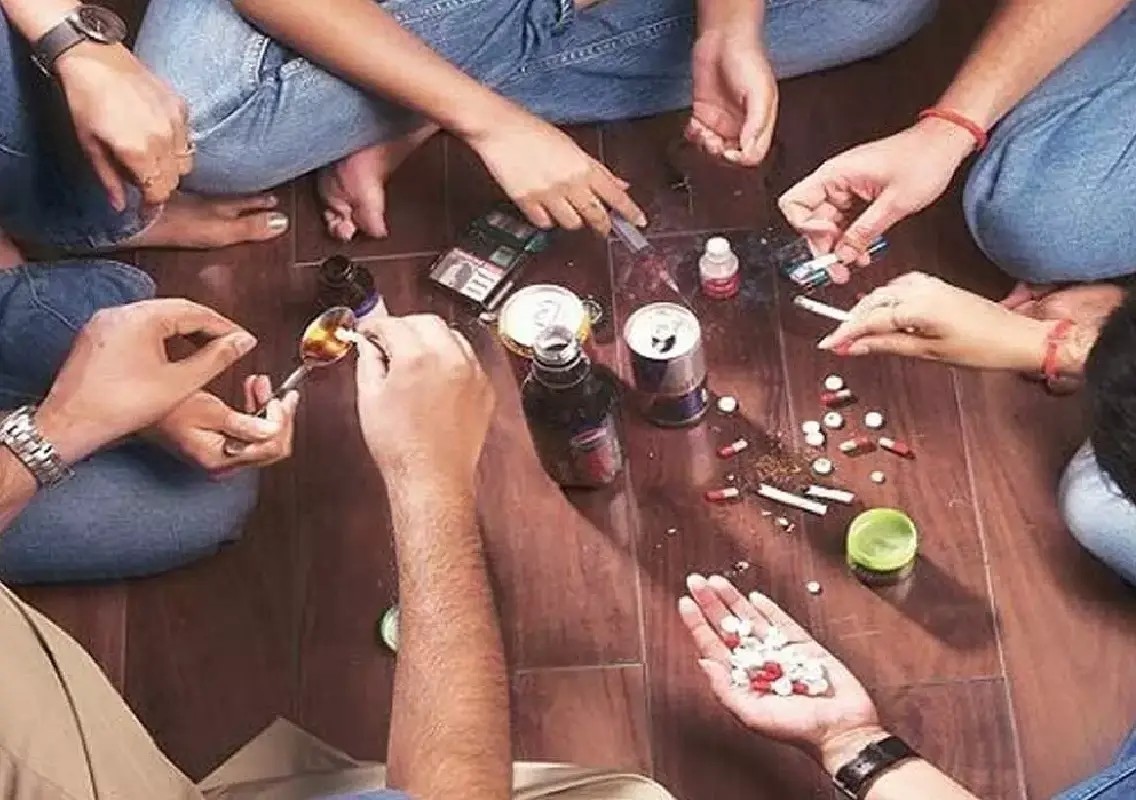


Known globally as India’s IT capital and once celebrated as the Garden City, Bengaluru is now confronting a growing challenge that threatens its social fabric—drug abuse and narcotics trafficking.
According to police data, nearly 2,000 cases have been registered under the Narcotic Drugs and Psychotropic Substances (NDPS) Act in 2026. More than 2,500 people have been arrested, and narcotics worth over ₹130 crore have been seized in multiple anti-drug operations across the city.
Young people remain the primary targets
Law enforcement agencies have repeatedly warned that drug networks often target students and young adults through parties, social circles and entertainment venues. What may begin as curiosity or peer pressure can gradually lead to addiction, financial distress and even criminal activity.
Substances such as MDMA, cocaine, heroin, LSD and hydroponic ganja have featured prominently in recent seizures.
Medical experts caution that prolonged drug use can lead to depression, anxiety, psychosis, memory loss, heart complications and irreversible damage to brain function. Careers, education and family relationships are often the first casualties.
A challenge beyond policing
Drug trafficking is not merely a law-and-order issue. It is a sophisticated criminal enterprise involving interstate and international supply chains. Investigations have revealed the use of courier services, concealed compartments and even everyday objects to transport narcotics.
Recent cases across India have shown drugs hidden in dolls, luggage, food packets and gift items, highlighting the evolving tactics used by traffickers.
Society must act together
Experts believe that enforcement alone cannot solve the problem. Parents, educational institutions and communities must play an active role in awareness, counselling and early intervention.
Strengthening rehabilitation facilities, expanding awareness programmes and encouraging citizens to report suspicious activities are equally important.
Bengaluru’s greatest strength has always been its young talent. Protecting that generation from the dangers of addiction is essential to safeguarding the city’s future, reputation and continued growth.