


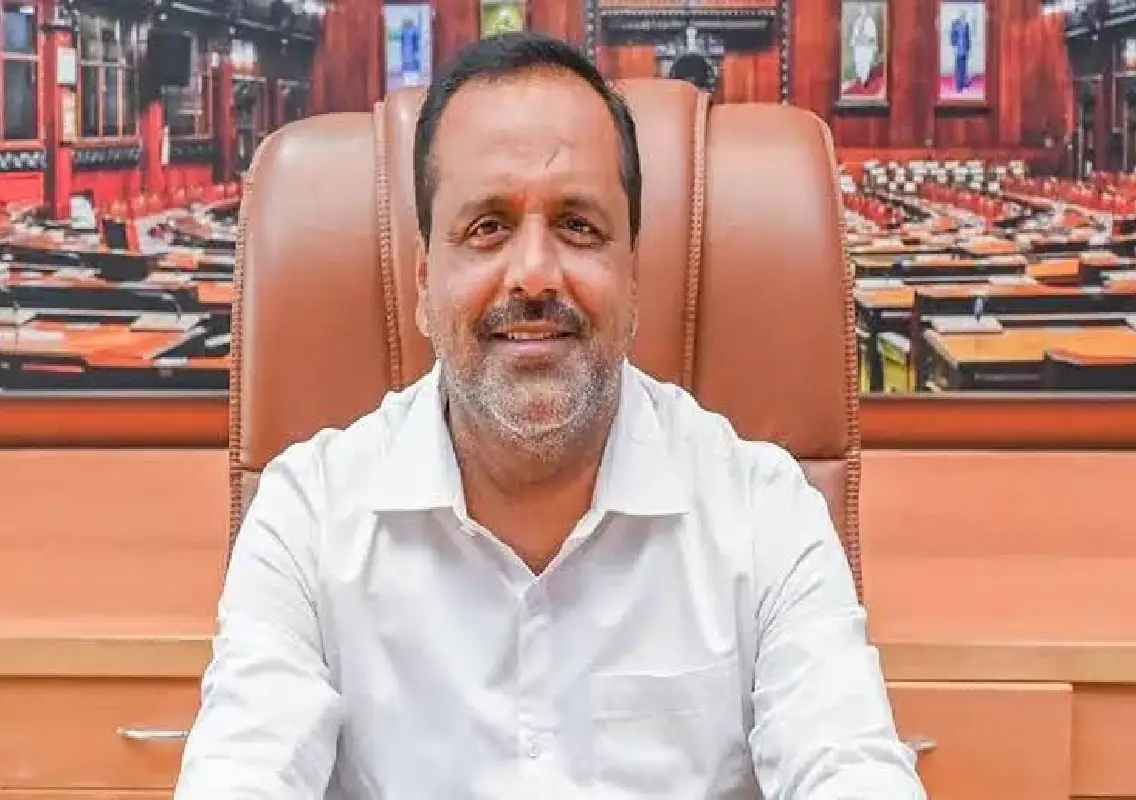


Bengaluru: The Centre’s decision to cap trade margins on cancer medicines at 30% of the maximum retail price (MRP) is expected to reduce the prices of several anti-cancer drugs by 40% to 80%, offering substantial financial relief to patients and their families, Karnataka Health and Family Welfare Minister U T Khader said on Saturday.
Welcoming the National Pharmaceutical Pricing Authority’s (NPPA) move, Khader described the decision as an important step towards making cancer treatment more affordable. He said excessive medicine costs had placed an enormous financial burden on families, often forcing them to exhaust their savings, borrow money or sell assets to meet treatment expenses.
“Cancer does not affect only the patient; it can devastate the entire family financially,” the minister said, highlighting the need for coordinated efforts to make essential medicines accessible to those who need them.
Karnataka had urged Centre to regulate cancer drug prices
Recalling the Karnataka government’s efforts to address the high cost of cancer medicines, Khader said the state Health and Family Welfare Department had approached the Union government seeking measures to bring anti-cancer drugs under an effective national price-control framework.
According to the minister, the department wrote to Union Health Minister J P Nadda within a few months of his assuming office, requesting intervention to reduce medicine prices and ease the financial burden on patients.
However, after waiting for a month or two without receiving a response, the department decided to compile detailed information on the prices of anti-cancer medicines available in the market.
Khader said the department collected data on 253 anti-cancer medicines, including their landing costs and retail prices. The information was subsequently shared with the public at a press conference and forwarded to the Union government.
The exercise was intended to highlight the disparity between the costs at which medicines entered the supply chain and the prices ultimately paid by patients.
The minister credited sustained media coverage, public discussion and the efforts of government officials and elected representatives with helping bring the issue to national attention.
He urged the media to continue investigating and reporting on medicine pricing, particularly where significant differences exist between procurement costs and retail prices.
Wide gap between landing costs and retail prices
Khader cited several examples to illustrate the price differences that can arise in the cancer medicine supply chain.
He said a cancer drug available at a cost of around Rs. 2,700 was being sold at a substantially higher price. He also referred to an injection with a reported cost of approximately Rs. 3,520 that was priced at Rs. 23,347.
In another example, the minister said certain medicines with a landing cost of around Rs. 3,000 were being sold for as much as Rs. 27,000.
These examples, he argued, demonstrated the need for stronger price regulation to prevent excessive margins from making essential medicines unaffordable.
The minister welcomed the 30% trade-margin cap as a measure that could help narrow the gap between the cost of medicines entering the supply chain and the amount patients are required to pay.
However, the actual price reduction for individual medicines will depend on the applicable pricing rules, the existing price structure and how the cap is implemented. A 30% margin limit should not automatically be interpreted as a uniform 70% reduction in the final price of every cancer drug.
Price regulation could ease chemotherapy expenses
The minister said the high cost of cancer treatment was particularly difficult for patients who required multiple cycles of chemotherapy, repeated injections and prolonged medication.
Treatment expenses can accumulate over several months, with some patients and their families spending several lakhs of rupees depending on the type of cancer, the medicines prescribed and the duration of treatment.
For families without adequate health insurance or financial support, even a single expensive medicine can become a major obstacle to continuing treatment.
Khader said reducing medicine prices could help lower out-of-pocket expenditure and enable more patients to access prescribed treatment without facing overwhelming financial pressure.
He also stressed that the impact of price regulation should be assessed in terms of the actual savings experienced by patients rather than the announcement alone.
Effective implementation, monitoring of retail prices and awareness among consumers would be important to ensure that the intended benefits reach people undergoing cancer treatment.
Centre, states and healthcare authorities urged to work together
Khader called for coordinated action involving the Union government, state administrations, healthcare authorities and the media to make cancer medicines more affordable.
He said price regulation needed to translate into tangible savings at pharmacies and hospitals, particularly for patients requiring expensive drugs over extended periods.
The minister also emphasised the importance of public awareness about the financial and emotional challenges faced by cancer patients and their families.
He urged people to visit hospitals and understand the difficulties associated with cancer care, including the strain that prolonged treatment can place on households.
According to Khader, sustained attention to medicine pricing would help ensure that the concerns of patients remained a priority for policymakers.
The state government’s earlier exercise to document the prices of 253 anti-cancer medicines, he said, was aimed at demonstrating the scale of the problem and pressing for corrective action.
Effective implementation remains crucial
The Centre’s trade-margin cap has raised expectations of lower prices for several anti-cancer medicines, with the minister projecting possible reductions of 40% to 80% for affected drugs.
The extent of relief, however, will depend on the specific medicines covered, the applicable pricing calculations and compliance across the distribution chain.
Monitoring will be essential to determine whether the revised margins result in lower retail prices and whether patients receive the intended benefits.
For families facing the costs of cancer treatment, even a partial reduction in medicine prices could provide meaningful financial relief. Ensuring that the policy translates into affordable medicines at the point of purchase will therefore be central to its success.
Khader said sustained cooperation among governments, healthcare institutions and the media would be necessary to make life-saving medicines more accessible and reduce the financial burden on cancer patients across the country.