







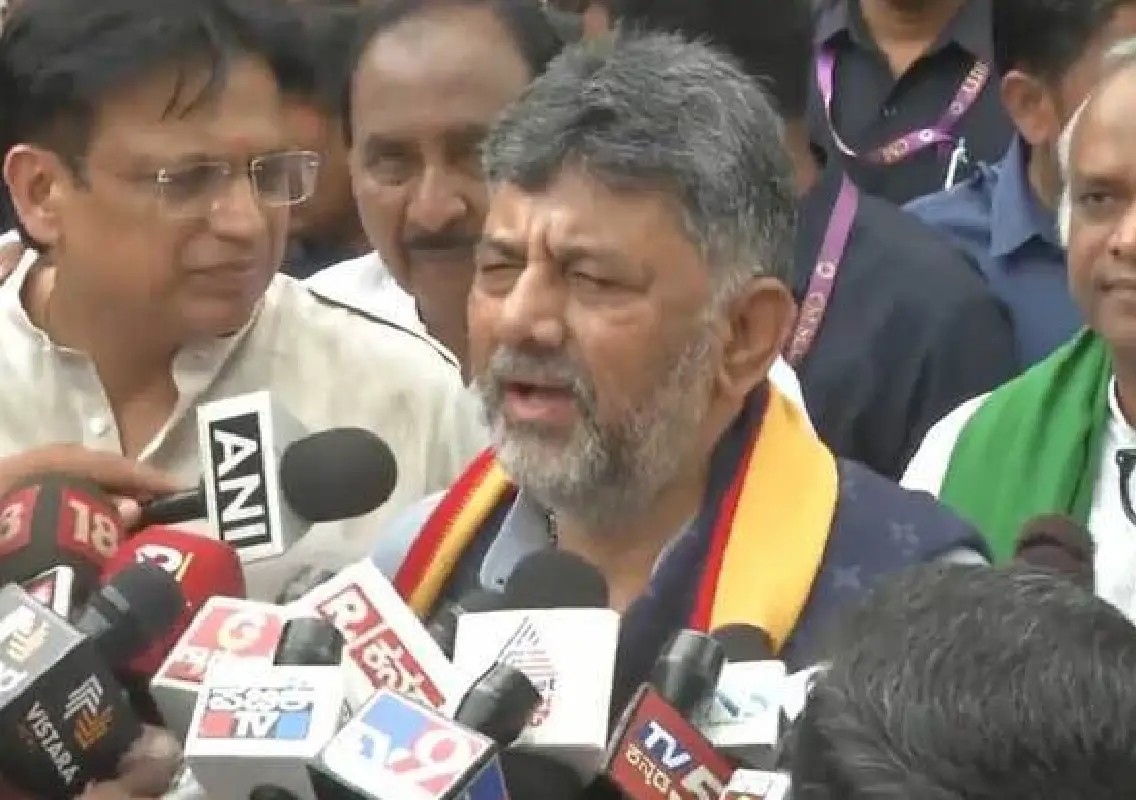


Bengaluru: As Karnataka grapples with a looming drought due to a significant monsoon shortfall, Chief Minister DK Shivakumar is facing one of the toughest tests of his political career, with analysts drawing comparisons to the tenure of his mentor and former Chief Minister S M Krishna.
Several taluks in the state have recorded rainfall nearly 60 per cent below normal, prompting Shivakumar to advise farmers to delay sowing and urge authorities to conserve reservoir water primarily for drinking purposes.
Rural concerns return to political focus
The emerging drought has brought agrarian distress back to the forefront of Karnataka’s political landscape, reviving memories of the severe droughts witnessed between 1999 and 2004 during S M Krishna’s tenure.
While Krishna is widely credited with transforming Bengaluru into a global information technology hub, his government faced criticism from political opponents for allegedly prioritising urban development over the needs of farmers. The perception of being an “urban-centric” Chief Minister contributed to growing rural discontent ahead of the 2004 Assembly elections.
Balancing Bengaluru’s growth and farmers’ welfare
Shivakumar now finds himself navigating a similar challenge. Alongside spearheading major infrastructure projects in Bengaluru, he must address the concerns of farmers facing uncertainty due to deficient rainfall.
The Chief Minister’s political association with S M Krishna extends beyond mentorship, as their families are also connected through marriage, adding a personal dimension to the comparisons being drawn.
Better preparedness, but challenges remain
Political observers note that Karnataka is better equipped to tackle drought today than it was two decades ago. Improved weather forecasting, expanded irrigation infrastructure, enhanced drought management systems and welfare programmes are expected to help mitigate the impact on rural communities.
However, agriculture continues to support millions of livelihoods across the state, and any prolonged rainfall deficit could quickly translate into economic hardship and political pressure.
With the coming weeks expected to determine the intensity of the monsoon, the state government’s response to the evolving situation is likely to remain under close public and political scrutiny