







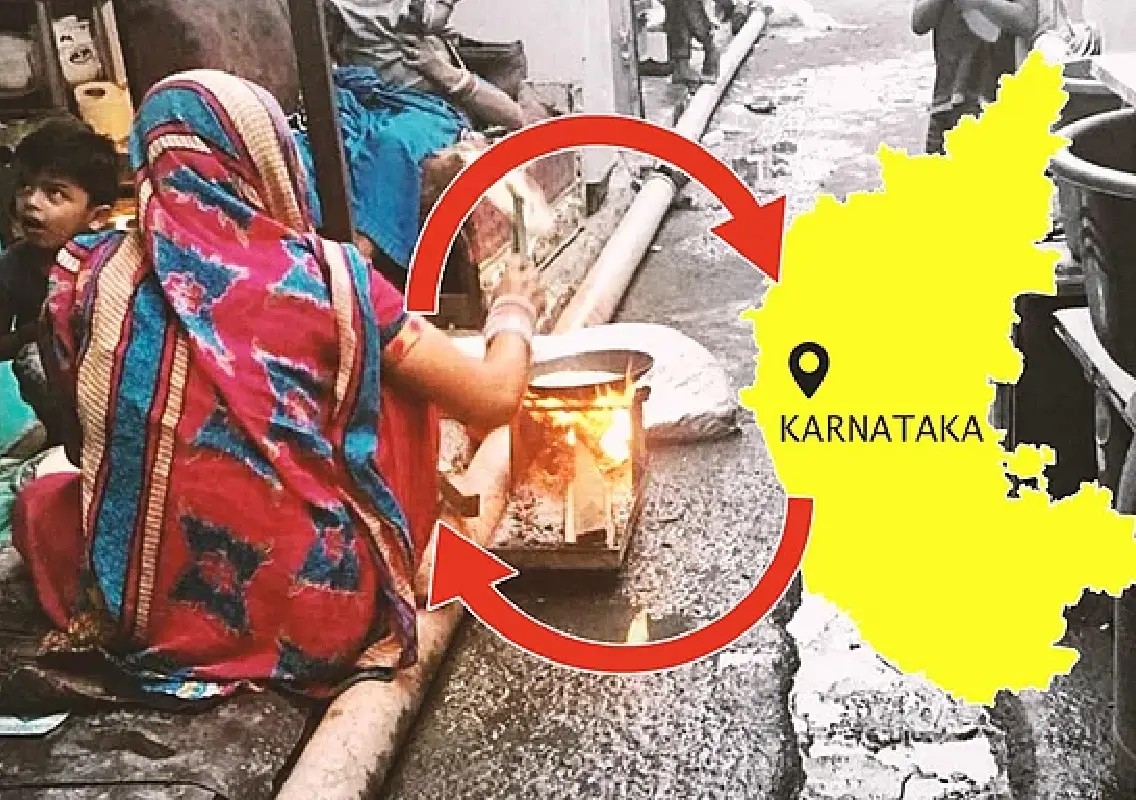


Carbon credit projects in Karnataka, promoted as climate-friendly initiatives to reduce emissions and improve rural livelihoods, are facing growing scrutiny after a study by the Centre for Science and Environment (CSE) raised concerns over their transparency, effectiveness and benefits to local communities.
The report found that many households participating in “improved” cookstove projects were unaware that they were part of carbon credit programmes. In several cases, beneficiaries reportedly paid for the stoves themselves but received no share of the carbon credit revenue generated from the projects.
Questions over climate benefits
The study highlighted examples from Belagavi district, where some households continued using traditional wood-fired stoves or LPG despite receiving improved cookstoves. Experts said the technology was often unsuitable for larger families, limiting its adoption and reducing the intended environmental benefits.
Researchers argued that poorly designed projects could undermine emission reduction goals if households continued relying on firewood while carbon credits were still being issued based on assumed reductions.
Farmers seek transparency
The report also raised concerns about carbon credit projects involving farmers, claiming that promised financial incentives were either delayed or too small to sustain climate-friendly practices.
Farmer representatives said many participants lacked a clear understanding of how carbon credits work, how prices are determined or how revenues are shared. They also called for greater transparency and better communication from project developers.
Meanwhile, Bengaluru has emerged as a major hub for carbon market startups, with companies developing technology to monitor emissions and create carbon credit projects. Industry leaders acknowledge that while carbon markets offer opportunities for climate finance, stronger governance and transparency are essential to build trust.
Calls for stronger regulation
Experts from environmental organisations have urged the government to strengthen oversight of voluntary carbon markets, ensure communities receive fair compensation and improve public access to information.
They emphasised that carbon credits should complement genuine emission reductions rather than replace them, while calling for safeguards to protect farmers’ livelihoods, biodiversity and community rights.
The Ministry of Environment, Forest and Climate Change had not responded to requests for comment at the time the report was published.