







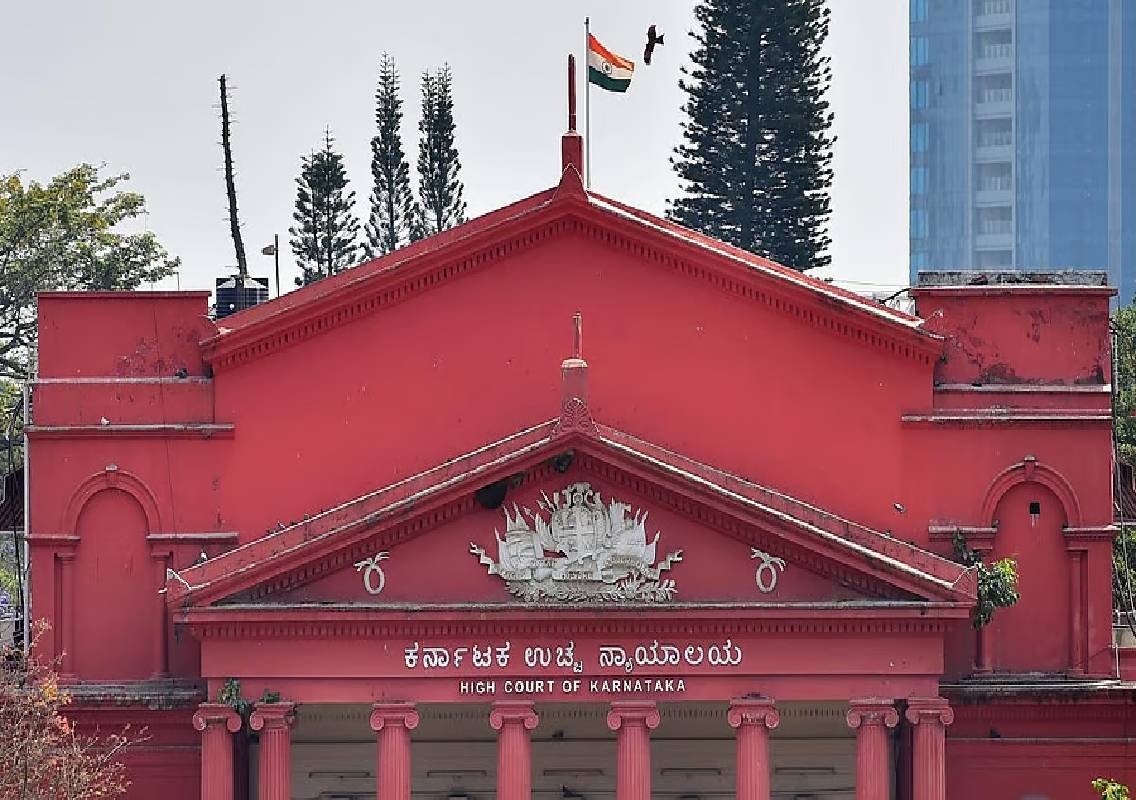


Bengaluru: The Karnataka High Court has criticised Whitefield Police for interfering in a civil dispute, observing that police authorities should not involve themselves in matters that are required to be settled through civil legal proceedings.
The court’s latest observations have once again highlighted concerns over the alleged misuse of police powers in disputes that are essentially civil in nature. The High Court stressed that the police cannot assume the role of a civil court while dealing with disagreements between private parties.
Court questions police intervention
The High Court took serious note of the alleged involvement of Whitefield Police in the dispute.
The court reiterated that when a matter concerns civil rights, property or other private disputes falling within the jurisdiction of civil courts, the police should not use their authority to resolve the issue.
Such intervention, the court indicated, could amount to the police exceeding their lawful role.
Civil disputes belong before civil courts
Civil disputes are generally required to be addressed through appropriate legal proceedings before competent civil courts.
Police authorities have powers to investigate offences and maintain law and order, but those powers cannot be used simply to settle disagreements between private parties.
The High Court’s observations reinforce the distinction between civil disputes and criminal offences.
Concerns over police powers
The case has also brought renewed attention to the manner in which police powers are exercised.
The court’s criticism indicates concern that police intervention in a civil dispute could place one party at an advantage without the matter being adjudicated by the appropriate judicial forum.
The High Court has emphasised that authorities must remain within the limits prescribed by law.
Whitefield Police under scrutiny
This is not the first occasion in recent days that the Karnataka High Court has expressed displeasure over the conduct of Whitefield Police.
The police station has faced judicial scrutiny in another matter involving the alleged detention of a man over a social media post concerning the cancellation of a Kunal Kamra show. In that case too, the High Court questioned the manner in which police powers were exercised.
The latest case has therefore added to the recent judicial scrutiny of the Whitefield police station.
Police role has legal limits
The High Court’s observations underline that police intervention must have a legal basis.
If a disagreement concerns ownership, possession, contractual rights or other civil claims, the appropriate remedy is generally through civil proceedings.
Police action can become relevant when there is evidence of a cognisable criminal offence, but merely using police machinery to resolve a civil disagreement can raise serious legal concerns.
Judicial oversight important
The High Court’s intervention demonstrates the role of the judiciary in ensuring that government authorities exercise their powers within the law.
When allegations of improper police intervention arise, courts can examine whether officials have acted within their statutory powers and followed due procedure.
The observations in the present matter are likely to serve as a reminder to police officials dealing with similar disputes.
Broader implications for citizens
The case is significant for citizens involved in property and other civil disagreements.
Parties to such disputes may sometimes approach the police hoping for a quick resolution. However, the High Court’s observations make clear that police machinery cannot substitute for the civil justice system.
The ruling also reinforces the importance of approaching the appropriate legal forum when a dispute concerns civil rights.
Whitefield Police face renewed criticism
The latest High Court criticism comes shortly after the court had questioned the conduct of Whitefield Police in another case.
In the social media-related matter, the court strongly criticised the alleged detention of an individual before the time given for appearing before the investigating officer had expired.
The series of observations has put the conduct of the police station under greater judicial attention.
Need for adherence to procedure
The High Court’s stance highlights the importance of following established legal procedures while dealing with complaints.
Police officials are expected to distinguish between civil disagreements and criminal offences before taking coercive action.
Any departure from these boundaries can lead to judicial intervention and questions over the legality of police action.
Conclusion
The Karnataka High Court has pulled up Whitefield Police for allegedly interfering in a civil dispute, reiterating that police authorities should not intervene in matters that are meant to be decided by civil courts.
The court’s observations underline the legal limits on police intervention and the need for authorities to follow due procedure. The case also comes amid recent judicial criticism of Whitefield Police over their handling of another matter.
The latest development serves as a reminder that civil disputes must be addressed through the appropriate judicial channels rather than being resolved through police pressure or intervention.