







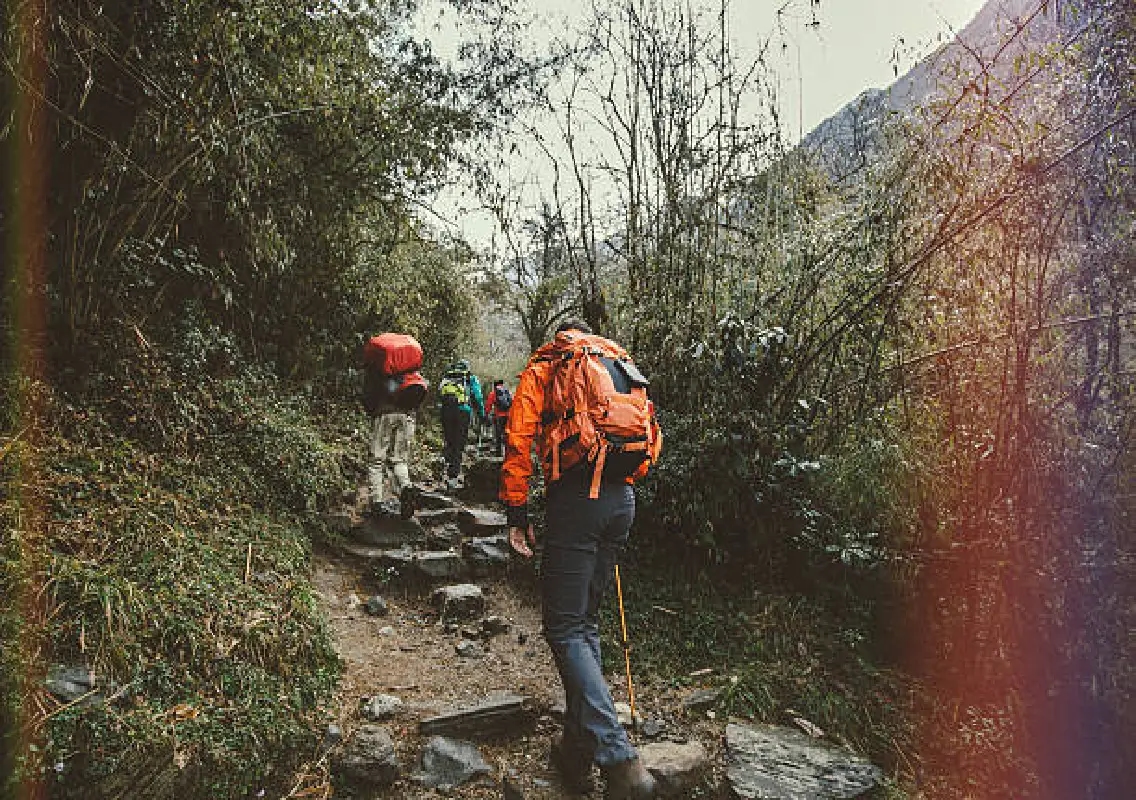


Bengaluru: In response to recent mishaps involving trekkers, the Karnataka government has introduced a comprehensive Standard Operating Procedure (SOP) for trekking routes under the forest department, aimed at significantly enhancing safety measures.
Announcing the guidelines, Forest Minister Eshwar Khandre said that all trekking activities will now require mandatory supervision, with one Nature Guide assigned for every 10 trekkers. Additionally, the total number of participants per trek will be capped at 150.
Mandatory registration and guide allocation
Under the new SOP, all trekkers must register online in advance. This will enable the forest department to allocate trained Nature Guides for each group.
The minister emphasised that even a single trekker will be assigned a guide, ensuring no one ventures into forest areas alone. This move is expected to reduce the risk of trekkers getting lost or stranded.
SOP follows recent trekking incidents
The guidelines come in the wake of two recent incidents that raised serious safety concerns. In one case, GS Sharanya was rescued by indigenous people after being missing for four days while descending from Tadiandamol peak.
In another tragic incident, a 15-year-old girl who went missing during a family trek to Chandradrona Hill was later found dead, prompting calls for stricter regulation of trekking activities.
Technology-driven monitoring measures
To strengthen safety, all Nature Guides will be equipped with GPS-enabled walkie-talkies, allowing continuous communication with base camps. Trekkers will also be required to install a tracking application on their mobile devices for real-time monitoring.
At base camps, officials will monitor trekking groups and track their movement. If there is no communication from a group for more than an hour, authorities will be alerted immediately to initiate response measures.
Facilities and safety briefings at base camps
The SOP mandates the provision of basic facilities at trekking base camps, including separate toilets for men and women, drinking water, route maps, and designated resting points.
Before beginning a trek, participants will receive detailed briefings on route conditions, duration, difficulty levels, and safety precautions. Instructions will also include guidelines on how to respond to wildlife encounters.
Parental consent has been made mandatory for minors participating in treks.
Strict rules and responsibilities
The new regulations impose several restrictions to ensure safety and environmental protection. Trekkers are prohibited from carrying sharp metal objects, weapons, single-use plastic bags, and noise-producing instruments. Lighting campfires is also strictly banned.
Nature Guides will bear responsibility for the safety of trekkers. They are required to carry first-aid kits, ensure that no participant moves ahead of the group, conduct periodic headcounts, and maintain communication with base camps every 30 minutes.
Conclusion
The introduction of a detailed SOP marks a significant step towards making trekking in Karnataka safer and more regulated. By combining strict guidelines, technological monitoring, and accountability, the government aims to prevent accidents and ensure a secure experience for outdoor enthusiasts.
With trekking gaining popularity across scenic destinations in the state, the success of these measures will depend on effective implementation and cooperation from trekkers.