







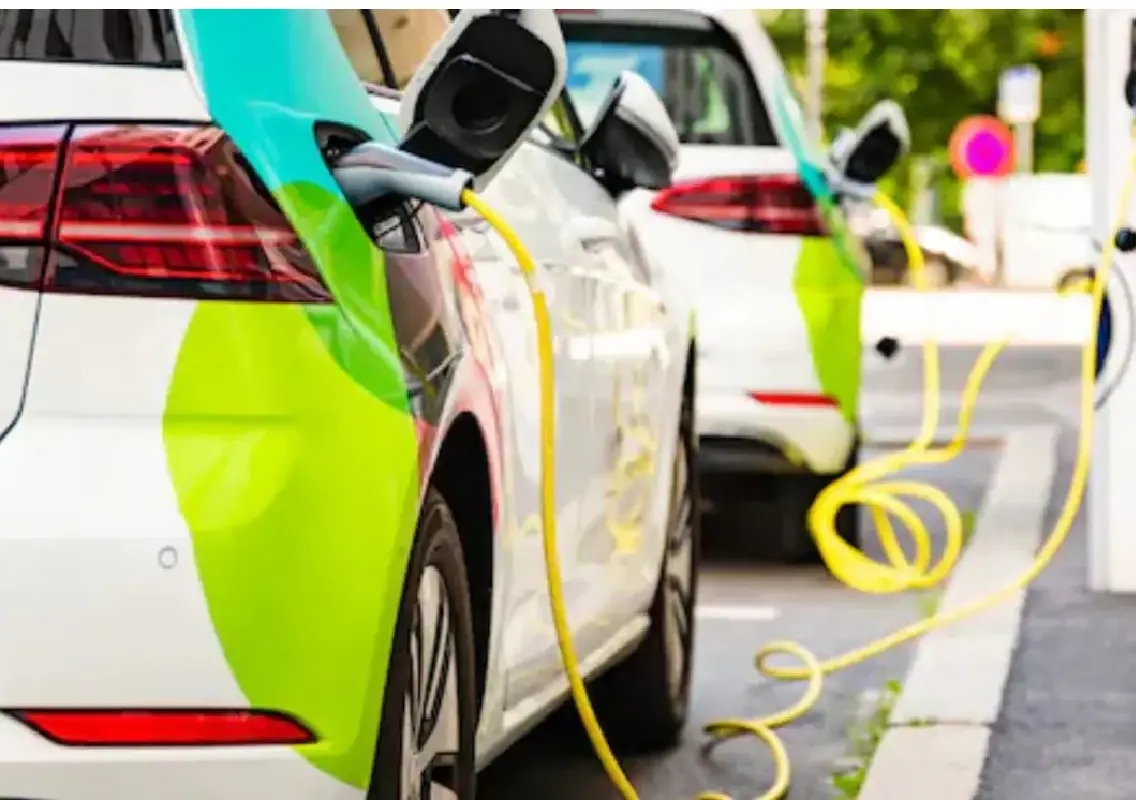


The Karnataka government has proposed a 5 per cent tax on electric vehicles (EVs), marking a significant policy shift as the state simultaneously pushes for wider adoption of clean mobility.
The proposal is part of the Karnataka Motor Vehicles Taxation Amendment Bill, 2026, recently passed in the legislature and currently awaiting the Governor’s assent to come into effect.
New tax structure explained
Under the proposed amendment, a one-time lifetime tax will be levied on newly purchased electric vehicles. The tax will be linked to the cost of the vehicle, bringing EVs under a structured taxation slab similar to conventional vehicles.
For instance, a car priced at ₹20 lakh could attract around ₹1.6 lakh under an 8 per cent tax bracket, depending on the final classification.
Transport Minister Ramalinga Reddy clarified that the proposed tax will apply only to new vehicles and will not be implemented retrospectively, ensuring that existing EV owners are not affected.
Policy shift amid rising fuel concerns
The move comes at a time when India is accelerating its transition towards electric mobility, driven by environmental concerns and the need to reduce dependence on fossil fuels.
However, the proposal also coincides with rising global uncertainty, particularly due to tensions in West Asia, which have triggered concerns about a possible spike in fuel prices. This has renewed interest in EV adoption among consumers.
Mixed implications for EV adoption
While the government may be aiming to augment revenue and streamline taxation, the proposed levy could raise concerns among potential EV buyers. Industry observers believe that additional costs at the time of purchase may slow down adoption, especially in the mid-range segment.
At the same time, officials are likely to balance taxation with incentives and infrastructure development to sustain the state’s EV growth trajectory.
Awaiting final approval
The amendment will come into force only after receiving the Governor’s approval. Stakeholders across the automotive and clean energy sectors are closely watching the development, as it could influence EV pricing and demand in Karnataka.
The proposal underscores the complex balance between promoting sustainable transport and managing fiscal considerations in a rapidly evolving mobility landscape.