









Bengaluru: Karnataka is planning to develop business and technology clusters beyond Bengaluru, with Mangaluru, Mysuru and the Dharwad-Belagavi region among the locations being considered for greater investment in infrastructure, technology and employment. The proposed strategy aims to create regional economic ecosystems where talent, educational institutions, infrastructure and private investment can grow together.
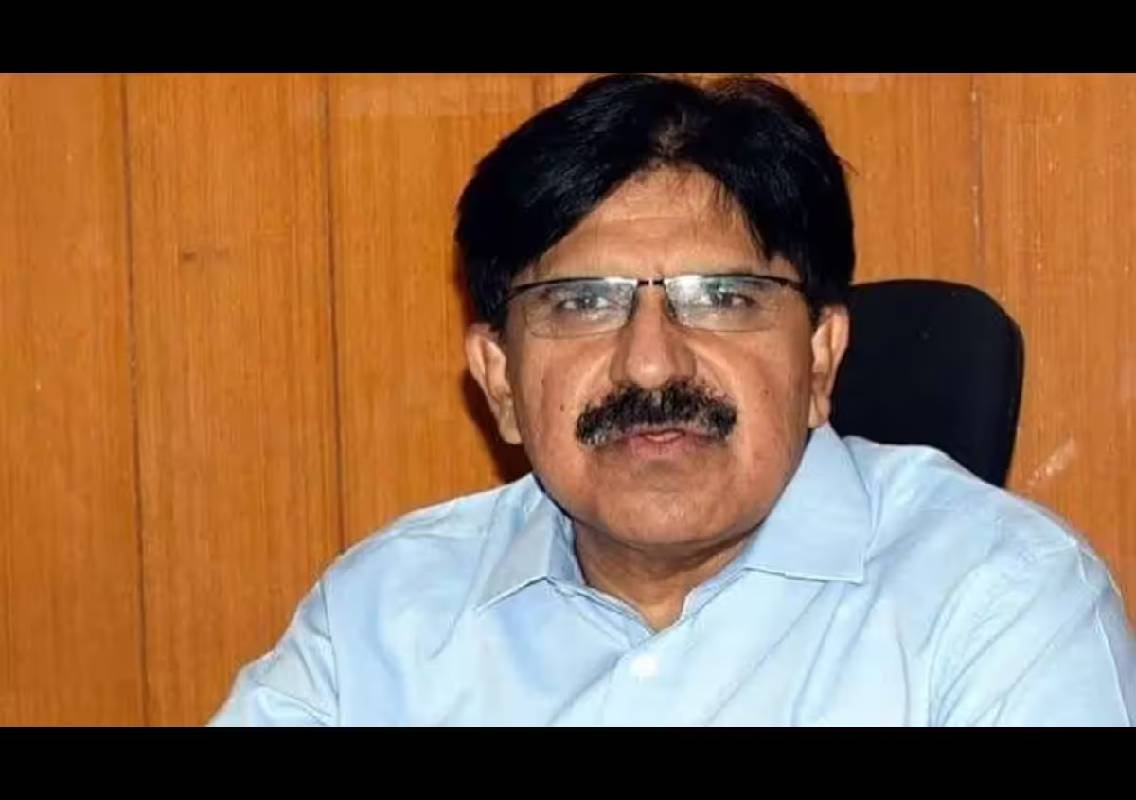
LK Atheeq, Financial Advisor to Chief Minister Siddaramaiah and Chairman of the Bengaluru Business Corridor, said the government is focusing on creating the infrastructure and policy environment required to make investments viable outside Bengaluru.
The proposed expansion comes amid Karnataka’s wider efforts to decentralise economic activity and create multiple growth centres across the State. Atheeq said the Government is looking to establish at least five vibrant economic clusters beyond Bengaluru, including Mangaluru-Udupi-Manipal, Mysuru and the Dharwad-Belagavi region.
Mangaluru identified as potential technology hub
Mangaluru has been identified as one of the regions with the potential to develop a stronger business and technology ecosystem. Atheeq said the coastal city already has several elements needed for such growth, including educational institutions, engineering graduates, an existing talent pool and a history of entrepreneurship.
According to the Government’s approach, infrastructure will be a key area requiring public-sector intervention. Better digital and physical infrastructure could help businesses evaluate locations outside Bengaluru based on operational and commercial requirements.
The State is also examining opportunities around sustainable data centres, cable landing stations and technology parks in the Mangaluru region.
The focus on Mangaluru comes alongside the Government’s efforts to strengthen the wider Mangaluru-Udupi-Manipal economic corridor. The region has educational institutions, access to the coast and an established base of technology and service-sector talent, which officials see as potential building blocks for a larger ecosystem.
Mysuru among key clusters under consideration
Mysuru is another major city being considered as part of Karnataka’s efforts to expand economic activity beyond Bengaluru.
The city has a significant educational and knowledge base and has increasingly featured in the State’s plans for technology and business expansion. Earlier this month, Atheeq had identified Mysuru-Chamarajanagara as one of the regional growth areas under Karnataka’s longer-term development roadmap.
The State’s strategy involves building on the existing strengths of individual regions rather than attempting to replicate Bengaluru’s economy in every city.
For Mysuru, this could include technology, education, services and other sectors supported by its existing talent pool and infrastructure. The approach is intended to encourage businesses to consider regional locations while allowing local ecosystems to develop around them.
Dharwad-Belagavi region also in focus
The Dharwad-Belagavi region is another area being considered for economic expansion. Both cities have established educational and industrial bases, while their location in north Karnataka gives them potential to serve as regional economic centres.
The Government’s broader 2037 roadmap has identified several growth magnets across Karnataka, including Kalaburagi, Hubballi-Dharwad, Belagavi, Ballari-Vijayanagara, Davangere-Shivamogga, Mysuru-Chamarajanagara and the Mangaluru-Udupi-Karwar belt.
The proposed regional approach is aimed at reducing excessive concentration of new economic activity in Bengaluru while creating opportunities closer to other population centres.
Government to focus on infrastructure and policy
Atheeq said the Government’s primary role would be to create the infrastructure and policy conditions required to make investments commercially viable. However, he also stressed that private companies would ultimately decide where to establish operations based on business considerations.
This means infrastructure development alone is not expected to determine the success of the Beyond Bengaluru strategy. Factors such as availability of skilled workers, connectivity, operating costs, office infrastructure, reliable utilities and access to markets will also influence investment decisions.
The State has already announced several policy initiatives aimed at supporting technology-led expansion.
In July, Chief Minister D.K. Shivakumar said Karnataka would introduce a policy to encourage technology companies to expand operations beyond Bengaluru, with cities such as Mysuru, Hubballi-Dharwad, Mangaluru and Belagavi identified as locations where new technology hubs could be developed.
Sustainable data centres and cable landing stations
Data centres are emerging as an important component of Karnataka’s plans for technology infrastructure outside Bengaluru.
Atheeq referred to the sustainable data centre policy announced at the September 18 Cabinet meeting in Mangaluru. The policy is intended to support investment in data centre infrastructure while addressing sustainability requirements. The Government is also looking at opportunities related to cable landing stations and technology infrastructure in the coastal region.
The push is connected to Karnataka’s wider plans to strengthen infrastructure for artificial intelligence, cloud computing and other emerging technologies.
Earlier, the Government had said it was working on a comprehensive and sustainable Data Centre Policy to support the infrastructure requirements of AI and next-generation computing. The State has also been discussing an AI University and a broader AI ecosystem involving industry participation.
Beyond Bengaluru strategy expands
The latest announcement is part of a broader strategy that has been developing over several months.
In July, the State Government said regions including Mysuru, Mangaluru-Udupi-Manipal, Hubballi-Dharwad, Belagavi and Kalaburagi had been shortlisted for the expansion of Global Capability Centres under the Beyond Bengaluru initiative.
The Government has also discussed creating technology hubs with affordable office infrastructure and expanding opportunities for technology companies across Karnataka.
The aim is not to reduce Bengaluru’s role as the State’s principal technology centre but to create additional locations capable of attracting investment and generating employment.
Atheeq has also spoken about developing at least five cities initially, including Mysuru, Mangaluru-Udupi, Hubballi-Dharwad, Belagavi and Kalaburagi, with other regions potentially being added later.
Regional growth and employment
The push for multiple economic clusters is also linked to Karnataka’s longer-term objective of reducing regional disparities.
The Karnataka Regional Imbalances Redressal Committee, chaired by economist Prof M. Govinda Rao, has recommended greater investment and targeted interventions in less-developed regions. The committee has highlighted infrastructure, connectivity, education, healthcare and industrial development as areas requiring sustained attention.
The Government’s proposed cluster-based model seeks to connect these investments with private-sector activity.
If infrastructure, talent and investment develop together, regional cities could attract businesses that may otherwise concentrate in Bengaluru. At the same time, companies will determine their locations based on commercial requirements and the availability of suitable infrastructure and workforce.
Focus on creating local ecosystems
The proposed clusters are intended to go beyond individual industrial projects. The Government’s approach is to create local ecosystems where companies, educational institutions, skilled professionals, infrastructure providers and entrepreneurs can operate in proximity.
Such ecosystems can help cities develop specialised strengths over time.
For Mangaluru, the focus includes technology infrastructure, sustainable data centres and cable landing stations. Mysuru has an established education and knowledge ecosystem, while the Dharwad-Belagavi region has industrial and educational strengths.
The Government’s wider regional development roadmap also envisages growth magnets across different parts of Karnataka, allowing individual regions to develop according to their existing economic advantages.
Conclusion
Karnataka is planning to develop business and technology clusters beyond Bengaluru, with Mangaluru-Udupi-Manipal, Mysuru and the Dharwad-Belagavi region among the key areas identified for expansion. The strategy includes infrastructure development, technology parks, Global Capability Centres, sustainable data centres and other enabling infrastructure.
The initiative forms part of a broader effort to create multiple economic growth centres across Karnataka. While the Government will focus on infrastructure and policy support, investment decisions will ultimately depend on the commercial viability of individual locations. The proposed clusters are expected to play a role in Karnataka’s longer-term plans for regional economic development and technology-led growth.