









Karnataka has recorded the highest number of snakebite deaths in the country for the second consecutive year, with 106 fatalities reported in 2025. Wildlife experts and medical professionals have attributed the alarming trend to delayed treatment, lack of public awareness and increasing human encroachment into natural habitats.
They say many deaths could be prevented through timely medical intervention and better education about snakebite management.
Experts blame myths and delayed treatment
Snake rescuer Mohan said misinformation continues to be one of the biggest challenges in tackling snakebite fatalities.
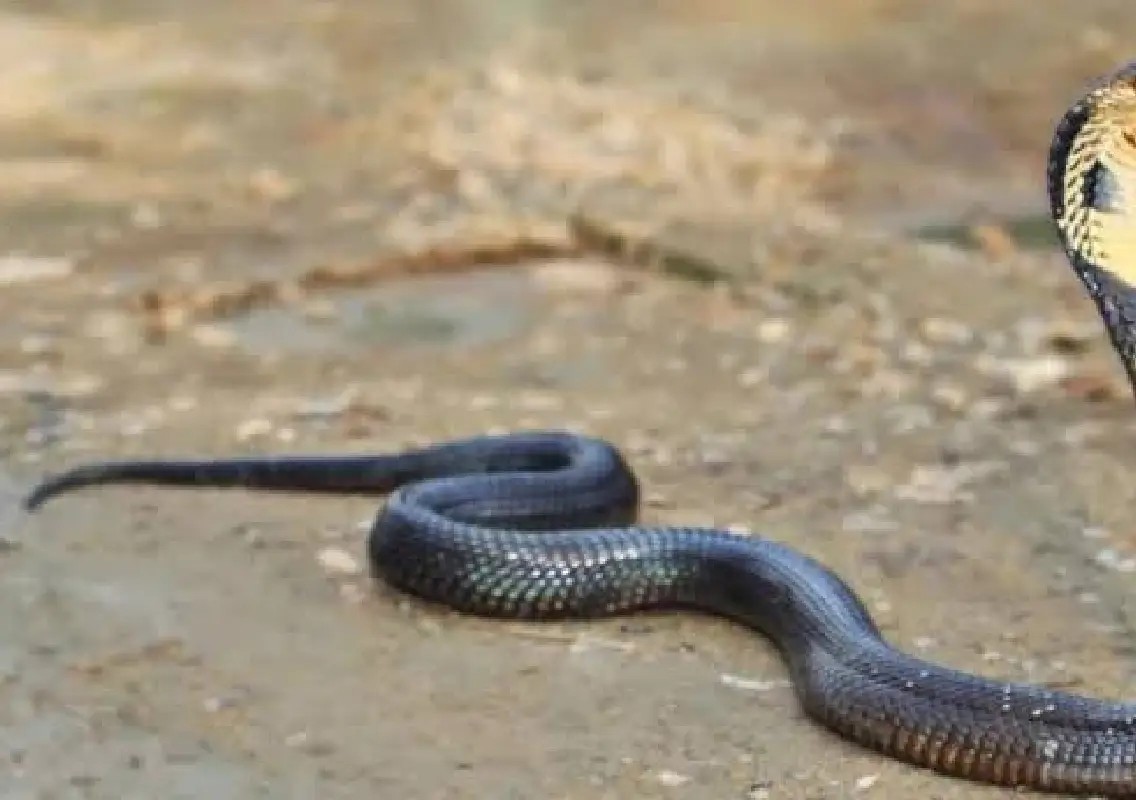
According to him, Karnataka is home to the country’s “Big Four” venomous snakes—the Indian Cobra, Common Krait, Russell’s Viper and Saw-scaled Viper. Despite awareness campaigns, many people still rely on traditional healers instead of seeking immediate medical care.
“People believe whatever they already know is correct. Many visit local healers rather than hospitals where proper treatment is available. This contributes to the higher number of deaths,” he said.
He added that even Forest Department personnel often depend on trained snake rescuers to safely handle snakes found in residential areas.
Urban expansion increasing human-snake encounters
Wildlife conservationist Akshay Heblikar of Eco-Watch said Bengaluru’s rapid expansion into wetlands, grasslands and agricultural land has increased encounters between humans and wildlife.
As natural habitats shrink, snakes are increasingly entering farmlands and peri-urban areas, resulting in more accidental bites among farmers and residents.
Doctors advise immediate hospital treatment
Medical experts urged people to avoid home remedies after a snakebite.
Dr Ashray V, Consultant in Emergency Medicine at Aster Whitefield Hospital, said victims should immediately visit the nearest hospital for proper assessment and treatment.
He warned against applying substances to the wound, cutting the affected area or attempting other traditional remedies, as these may worsen the injury or cause infection.
Dr Krithika Ganesh of Pocket Family Clinic explained that smaller clinics often do not stock anti-venom or have facilities to continuously monitor critically ill patients. She advised victims to seek treatment at hospitals equipped with emergency care units.
Awareness can save lives
Experts also highlighted the role of fear and panic following snakebites. Wildlife expert Joseph Hoover said many people struggle to identify venomous and non-venomous snakes, and fear itself can delay life-saving treatment.
They stressed that public awareness, rapid access to hospitals and habitat conservation are essential to reducing snakebite deaths across Karnataka.