







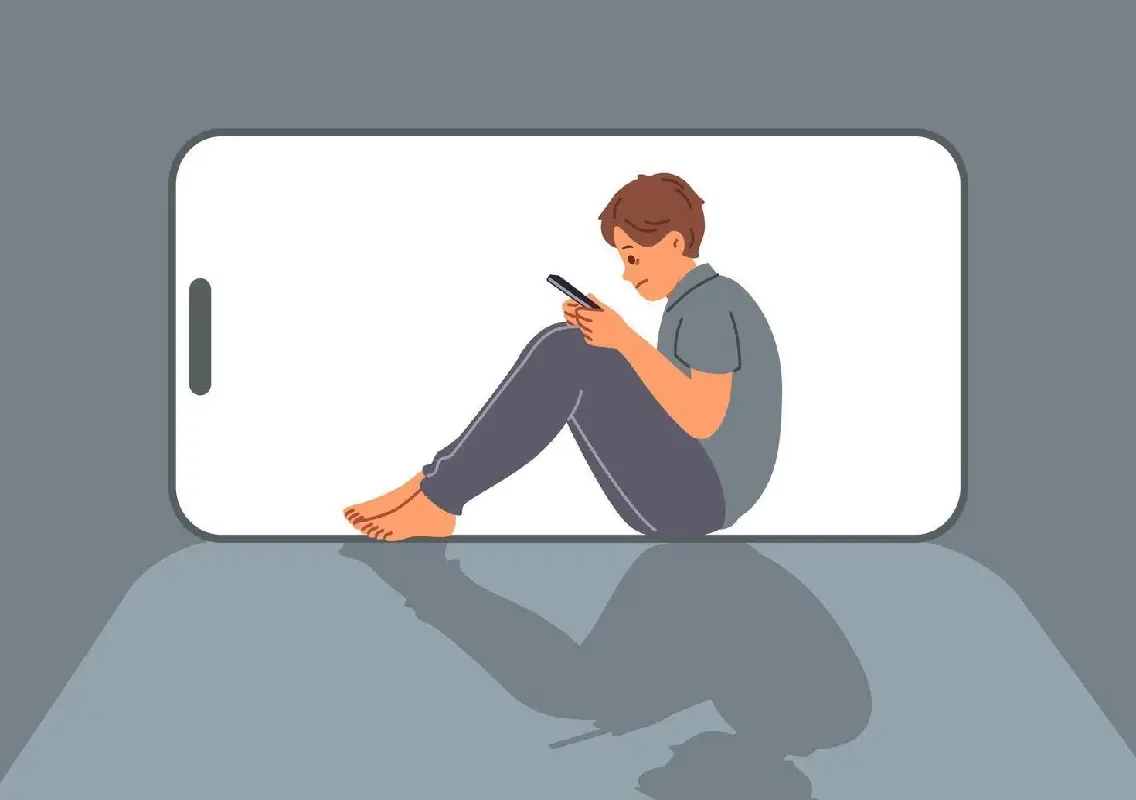


Bengaluru: What began as a harmless pastime for a 25-year-old man turned into an extreme form of escapism that left him isolated from the world. Immersed for nearly 14 hours a day in Japanese manga comics and graphic novels, the young man — identified as Rahul (name changed) — stopped seeking employment, avoided family interactions, and withdrew completely into the fictional worlds he found comfort in.
Manga overuse as emotional escape
Rahul’s mother eventually sought help at the Service for Healthy Use of Technology (SHUT) Clinic at the National Institute of Mental Health and Neurosciences (Nimhans). Doctors diagnosed him with severe anxiety, moderate internet addiction, and an anxious-avoidant personality. His case, now published in the Journal of Geopsychiatry, has drawn attention to the rising incidence of manga addiction among young people in India.
According to the report, Rahul’s excessive attachment to manga developed as a means of coping with loneliness and emotional neglect. His early years were marked by parental conflict, paternal abuse, and bullying at school, leading to low self-esteem and poor academic performance. Feeling alienated and unable to connect with others, he turned to anime, junk food, and eventually manga, finding solace in its elaborate storytelling.
Identification with fictional characters
The case study noted that Rahul developed a deep identification with villainous manga characters, as they represented power and freedom — qualities he lacked in his own life. “He particularly liked villainous characters because nobody messed with them, and they could do whatever they wanted,” the report observed.
Over a decade, his casual interest transformed into dependency. In the six months leading up to treatment, his manga consumption became all-consuming, pushing him further into isolation and emotional detachment.
Therapy and recovery
At the SHUT Clinic, clinicians recognised that Rahul’s dependence on manga had become his primary coping mechanism. A combination of cognitive behavioural therapy (CBT) and psychosocial interventions was used to address the root causes — including anxiety, avoidance, and low self-worth.
Through structured therapy sessions, Rahul gradually learned to manage his emotions, engage in social activities, and communicate more openly. After several weeks of inpatient care, he transitioned to outpatient treatment, focusing on cognitive restructuring and building healthier coping strategies.
Rising trend among youth
Dr Manoj Kumar Sharma, professor of clinical psychology at Nimhans and the corresponding author of the study, said that cases like Rahul’s are no longer isolated. “In the last six months alone, we have seen at least six or seven cases of excessive manga consumption,” he noted. Most patients fall in the 16–17 age group, a demographic particularly vulnerable to online and fantasy-based addictions.
According to Dr Sharma, reduced family interaction, lack of communication, and absence of offline hobbies often push youngsters toward manga and other forms of online content. “When fantasy becomes their main way of spending time, it starts replacing real-life engagement, leading to problematic use,” he said.
Broader implications
Mental health experts at Nimhans caution that while manga and anime are creative and culturally rich forms of entertainment, excessive consumption can act as an emotional crutch for individuals struggling with real-world challenges. Prolonged immersion may contribute to social withdrawal, academic decline, and mental health issues if not addressed early.
The SHUT Clinic team advises parents and educators to encourage open communication, promote balanced media use, and provide supportive environments for children to express emotions constructively.
Rahul’s case underscores how technology and media, when used excessively as emotional substitutes, can evolve into serious psychological conditions. Through therapy and social reintegration, experts hope more such individuals can find a way back to real-world engagement and emotional well-being.