







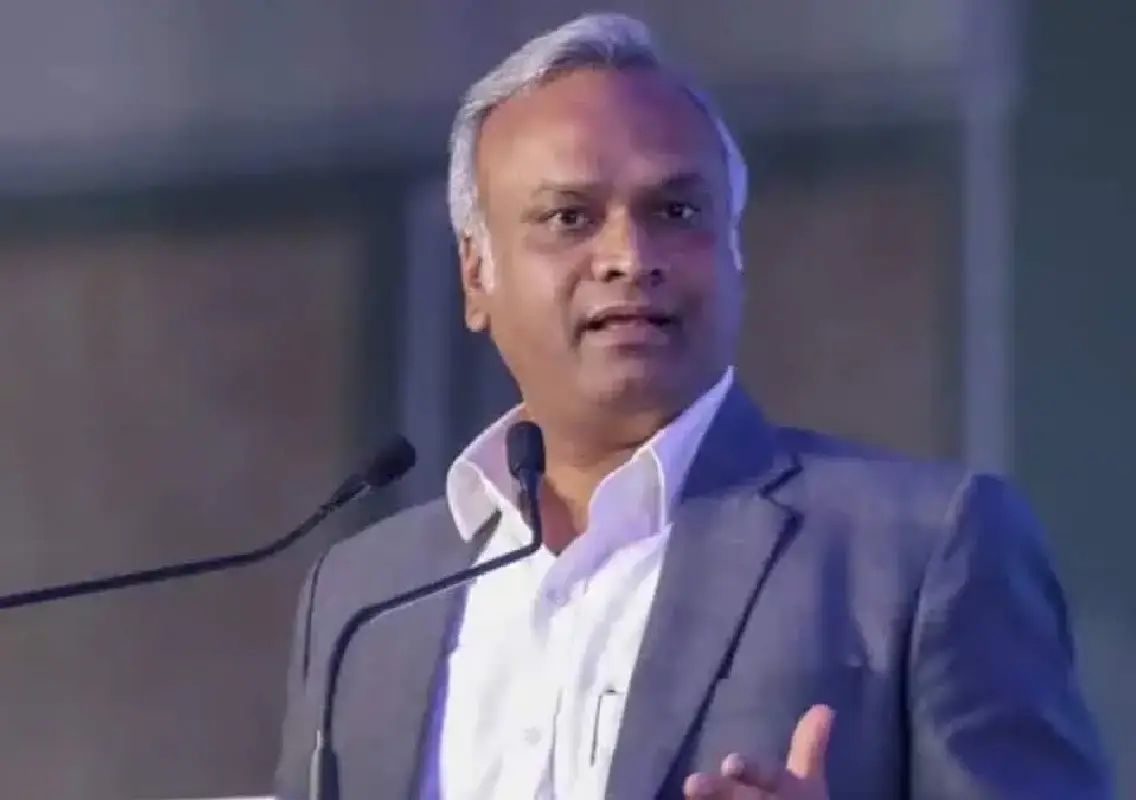


Bengaluru: Karnataka minister Priyank Kharge on Sunday accused the Rashtriya Swayamsevak Sangh (RSS) of indulging in “money laundering” and questioned the organisation’s sources of income. He said that the same legal and constitutional framework that applies to all citizens and institutions in the country should also apply to the RSS.
Remarks made at public event
Addressing a gathering at an event, Kharge criticised the organisation’s functioning and financial transparency. He alleged that the RSS operates through a vast network of affiliated bodies and receives funds from sources outside India.
According to him, organisations that influence public life must be accountable under statutory and taxation laws. He said that compliance requirements applicable to other institutions should not be bypassed by any group.
Kharge’s remarks come amid continuing political sparring between ruling and opposition parties over the role and regulation of socio-cultural organisations.
Questions raised on registration and taxation
The minister said that all organisations should function within the ambit of the law and the Constitution. He questioned whether the RSS, which he described as an unregistered body, was above legal and constitutional requirements.
He argued that citizens and registered bodies are required to pay taxes and maintain financial transparency, and similar standards should apply uniformly.
Referring to statements by RSS chief Mohan Bhagwat that the RSS is a body of individuals, Kharge questioned how such a structure differs from member-based clubs and associations that are formally registered and regulated.
Drawing a comparison, he cited institutions such as the Bangalore Club, asking whether such bodies are not required to register and comply with tax norms.
Allegations over funding sources
In his speech and later while speaking to reporters, Kharge questioned the origin of donations received by the RSS, including contributions made under the concept of “Guru Dakshina”.
He alleged that the organisation has a network of more than 2,500 associated bodies, including some based in countries such as the United States and the United Kingdom, and claimed that funds are routed through these channels.
He stated that questions need to be asked about how such funds are collected, accounted for and regulated under Indian law. He also reiterated his allegation that the organisation was involved in money laundering, though he did not present documentary evidence at the event.
Flag and patriotism remark
Kharge also criticised the RSS on symbolic grounds, alleging that it did not hoist the national flag at its office for several decades, while speaking about patriotism and nationalism.
He said organisations that speak about civic duty and patriotism should also demonstrate adherence to national symbols and constitutional obligations.
No immediate RSS response
There was no immediate official response from the RSS to the minister’s allegations at the time of reporting. Political observers expect the remarks to trigger sharp reactions and counter-statements, given the long history of ideological differences between the Congress party and the RSS.
Legal experts note that questions relating to registration status, taxation and compliance of organisations depend on the specific legal structure under which they operate, such as trusts, societies or informal associations, and are governed by different laws.
Further political reactions are expected as the statements gain wider attention.