







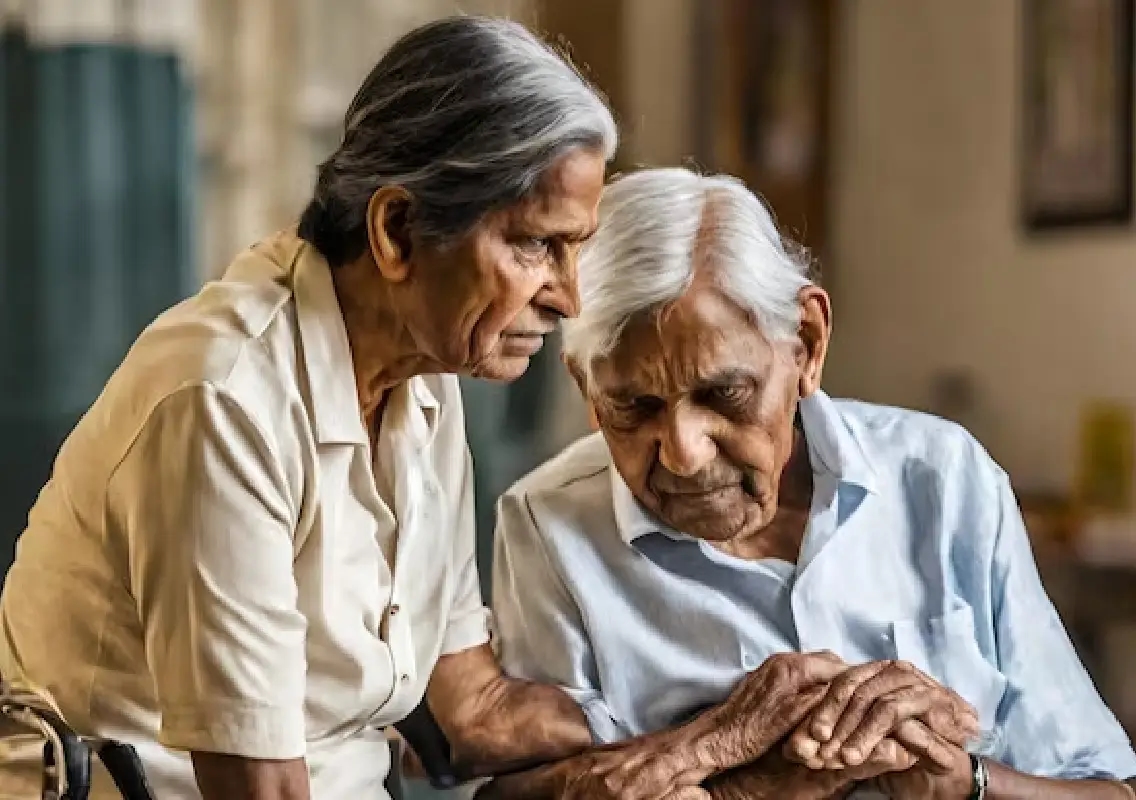


At Athashri retirement community in Whitefield, a unique spelling bee contest has turned into more than just a game for its residents. Led by retired mathematics teacher and community president Rama Narayanaswamy, 75, the competition is helping elderly participants—aged between 75 and 96—stay mentally active while reliving the excitement of classroom learning.
A playful return to the classroom
Armed with an online dictionary, Narayanaswamy ensures fairness as contestants spell out tricky words, often with dramatic gestures of triumph or despair. “It’s like going back to school. The child in you keeps dementia at bay,” she says. Inspired by doctors at Manipal Hospitals, the contest has even nudged some residents into playing Wordle, expanding their vocabulary and keeping their curiosity alive.
The group includes retired judges, World Bank economists, and businessmen, who often debate over spellings such as “honour”—arguing over the Queen’s English versus modern usage. For Narayanaswamy, the laughter and arguments are proof that the residents are far from lonely or withdrawn.
Benefits beyond spelling
The contests have become a gateway to improved communication, with residents now holding extended discussions on subjects ranging from local civic issues to global politics. Weekly forums, puzzles, and analytical games complement the spelling bee, creating a lively intellectual environment.
Doctors endorse the idea
Dr Shiva Kumar R, head of neurology at Manipal Hospitals, who adapted the spelling bee format for the elderly, describes it as a form of cognitive stimulation therapy. “It requires participants to focus, remember, and recall information, which improves memory, attention span, reasoning ability, and problem-solving skills. It also encourages social interaction,” he explains.
According to him, such activities not only build short-term memory but also trigger dopamine release—a chemical linked to motivation and learning—which may even slow down Alzheimer’s-related brain damage. “Exercises like spelling bee are most effective in the early and mild stages of dementia,” he notes.
Building cognitive reserve
Experts believe that every person has a “cognitive reserve” that helps the brain cope with damage by using alternative neural pathways. Word games, puzzles, and challenges such as spelling bees can reactivate these areas, delaying memory decline.
Group activities, Dr Shiva Kumar stresses, work better than solitary exercises for dementia patients, as they provide both stimulation and companionship.
A springboard for other activities
Narayanaswamy says the contests have sparked wider changes. “We alternate spelling bees with puzzles and geometry tricks. Residents have also started reading more, watching films together, travelling, and even learning pickleball for better coordination,” she says.
The competitions have infused confidence into the community. “We are not sad anymore, and we don’t mind picking up today’s lingo too,” Narayanaswamy adds with a smile.
Conclusion
What began as a simple word game has become a lifeline for elderly residents in Whitefield, offering joy, social bonding, and cognitive exercise. At Athashri, the spelling bee is more than a contest—it is a reminder that learning never truly ends.