







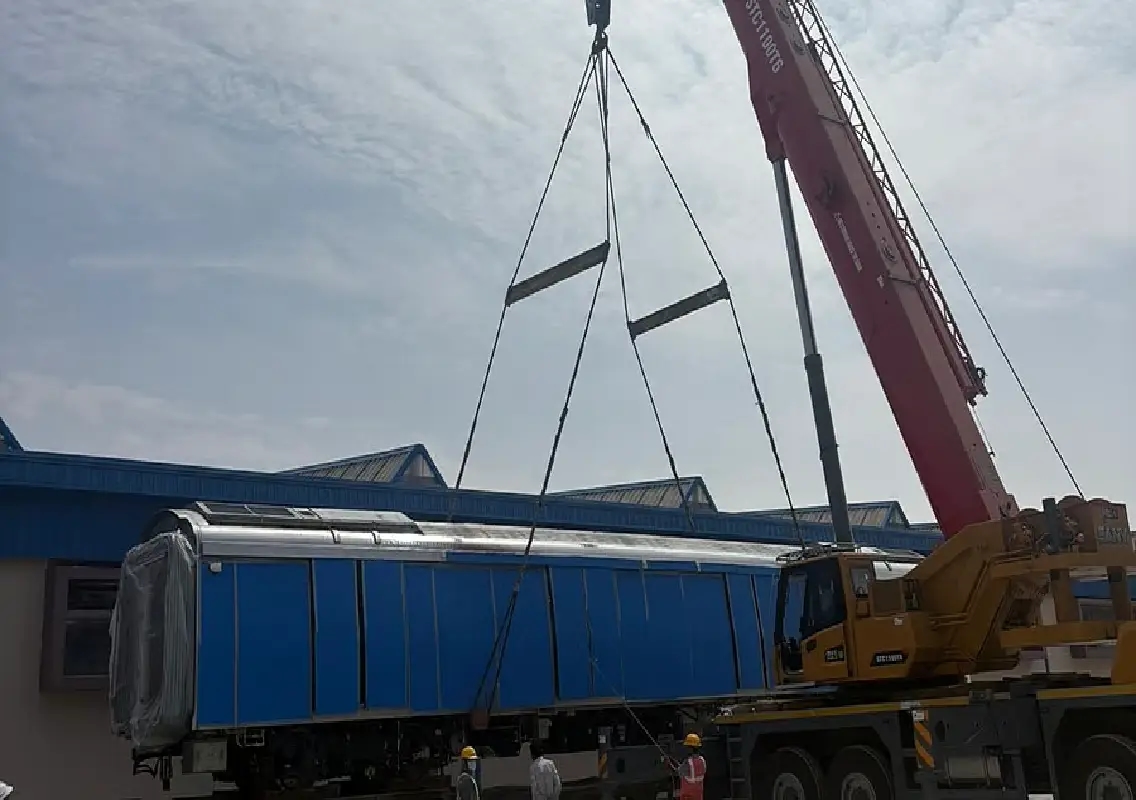


Bengaluru: Three coaches of the second trainset for Namma Metro’s upcoming Pink Line corridor reached the Kothanur depot in south Bengaluru on Tuesday, marking another step forward in the rollout of the new metro line. The coaches were manufactured and dispatched by city-based public sector undertaking BEML and are now set to undergo detailed technical inspections before integration into the system.
Officials familiar with the development said the coaches arrived after being shipped late Monday night and are currently being unloaded at the depot’s designated loading and unloading bay.
Coaches to undergo inspection and testing
After unloading, the three metro coaches will be shifted to the Inspection Bay Line (IBL) inside the Kothanur depot. There, engineers and technical teams will conduct a series of mechanical and electrical checks to verify system performance, safety parameters and onboard equipment.
These inspections are a mandatory step before coaches are assembled into a full trainset and moved for dynamic trials on the corridor.
Sources indicated that three additional coaches will be dispatched from the BEML facility on Tuesday night. With that, the full six-coach configuration of the second Pink Line trainset will be completed. Standard metro trainsets for the corridor are being designed with six coaches to handle projected passenger demand.
The phased dispatch allows depot teams to manage unloading, alignment, system integration and inspection without operational bottlenecks.
Prototype train already under trials
BEML had rolled out the prototype train for the Pink Line on December 11, 2025. That first trainset is currently undergoing trial runs on the mainline as part of the certification and validation process.
Before being inducted into passenger service, the prototype must secure statutory and safety clearances from the relevant regulatory authorities. These approvals cover braking systems, signalling integration, communication systems, fire safety, ride comfort and emergency response features.
Officials said the certification and approval cycle is expected to take around four more months, depending on trial outcomes and documentation reviews.
Only after these clearances are granted can the trains be deployed for revenue operations on the corridor.
Supply targets aligned with opening of elevated section
BEML is targeting the supply of six trainsets for the Pink Line’s Link Line section by May. This timeline aligns with Bangalore Metro Rail Corporation Limited’s (BMRCL) plan to open the elevated stretch of the Pink Line in phases.
The first operational segment is expected to be the 7.5-km elevated section between Kalena Agrahara and Tavarekere. Once this stretch is commissioned, Bengaluru’s operational metro network is projected to cross the 100-km mark, making it the second Indian city after Delhi to achieve that scale of metro coverage.
Transport planners say crossing the 100-km threshold is significant not only symbolically but also functionally, as it reflects network maturity and wider city coverage.
Underground stretch to open later
The Pink Line also includes a 14.76-km underground section, which will be the longest underground metro corridor in the city once completed. This portion of the project involves complex tunnelling, underground station construction and advanced ventilation and safety systems.
According to multiple BMRCL officials, civil construction and track work on the underground segment are at an advanced stage and are expected to be completed in about six months.
After that, a further four to six months will be required for systems integration, signalling validation and trial runs before passenger services can begin. Current projections place the opening of the underground section around December 2026, subject to testing and regulatory approvals.
Boost to connectivity in south and central corridors
Once fully operational, the Pink Line is expected to significantly strengthen north-south and south-central connectivity across the city. It will link dense residential zones, commercial clusters and key transit interchanges, reducing dependence on road transport and easing congestion.
Urban mobility experts note that early arrival and testing of rolling stock is crucial to avoid last-minute delays in commissioning. With multiple trainsets now moving from factory floors to depots, the project appears to be entering a more advanced readiness stage.
Conclusion
The arrival of the second Pink Line train coaches at Kothanur depot signals steady progress in Bengaluru’s metro expansion. With prototype trials underway, additional trainsets being delivered and civil works nearing completion on key stretches, the Pink Line project is moving closer to phased public launch over the coming months.