







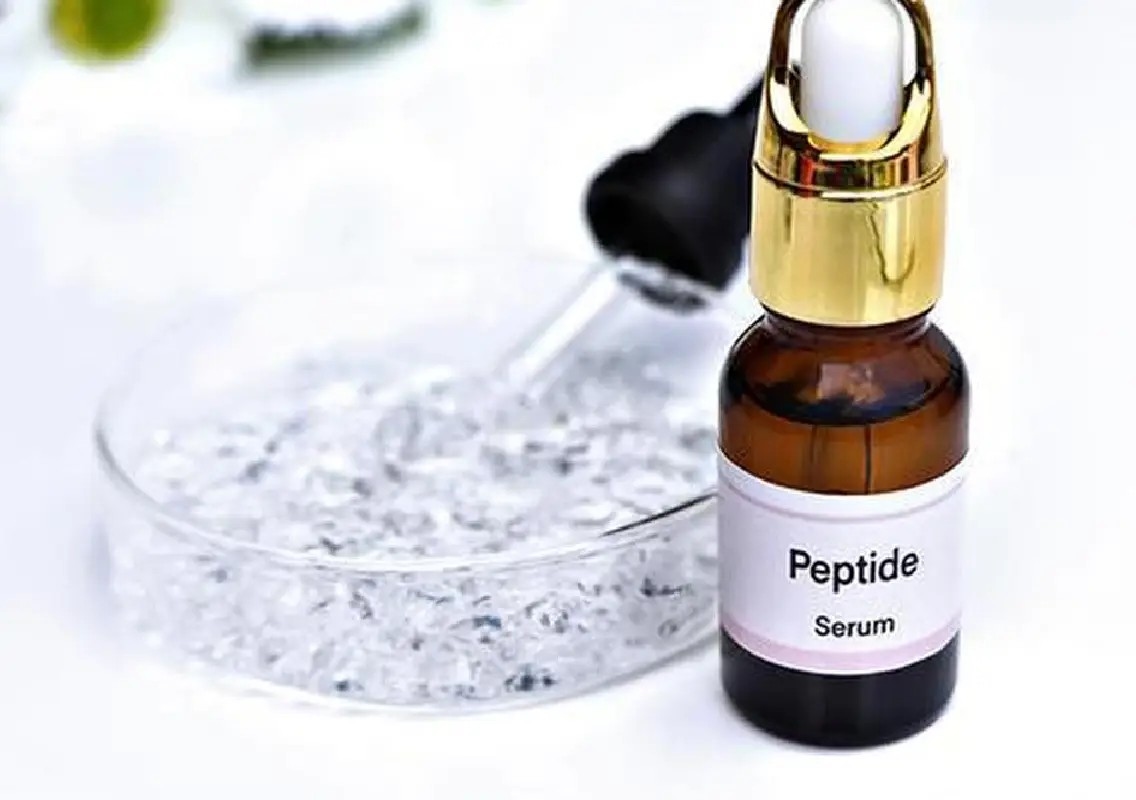


Bengaluru: An unusual event described as a ‘peptide party’ and scheduled in Bengaluru’s Koramangala area was cancelled after Karnataka health authorities intervened over concerns about the unsupervised distribution and use of peptide-based compounds.
The invite-only event, planned for August 29, was promoted online as a biohacking gathering featuring music, networking and an unusual activity described as ‘peptide tasting’. The event attracted criticism from medical professionals, who warned that allowing people to consume or use medical compounds without proper supervision could carry serious health risks.
Officials from the Karnataka Food Safety and Drug Administration (KFSDA) subsequently acted to stop the event.
The episode has also brought attention to the growing interest in biohacking, wellness compounds and peptides, particularly among people looking for ways to influence metabolism, physical performance, recovery or ageing.
What exactly are peptides?
Peptides are not a single drug or a particular treatment.
They are short chains of amino acids, which are the basic building blocks involved in the formation of proteins. Proteins are generally much longer and more complex chains, while peptides are smaller structures.
Naturally occurring peptides play important roles in the human body.
They can act as biological signalling molecules, helping regulate processes such as hormone production, immune responses, tissue repair and metabolism.
Because of these biological functions, scientists and pharmaceutical companies have studied different peptides for medical applications.
However, the fact that a substance occurs naturally in the body does not automatically mean that every peptide product is safe for people to consume or inject without medical supervision.
That distinction is at the heart of the Bengaluru controversy.
Why did the event attract attention?
The event was not presented as a conventional medical conference or supervised clinical programme.
Instead, it was reportedly promoted as a social biohacking event, with networking and entertainment alongside the proposed ‘peptide tasting’.
The unusual format immediately raised questions among doctors because medical compounds were apparently being presented in a party-like environment.
Medical professionals warned that unsupervised use of such substances could lead to complications, including severe allergic reactions, hormonal disturbances and strain on organs.
The concern was not simply about peptides as a scientific category. It was about how such compounds were being offered, who would consume them and whether appropriate medical oversight would be available.
What did the authorities do?
The Karnataka Food Safety and Drug Administration intervened before the scheduled event could take place.
Officials shut down the event in Koramangala on August 29, effectively preventing the proposed ‘peptide tasting’ from going ahead.
The intervention underlined the government’s concern over the distribution or consumption of substances that may fall within the regulatory framework governing food, drugs or medical products.
The incident also highlights the challenge faced by regulators as social media and online communities increasingly promote unconventional health and wellness practices.
Events can be organised and advertised rapidly online, sometimes reaching large audiences before authorities become aware of them.
Why are peptides suddenly popular?
Peptides have attracted increasing interest in the wellness and biohacking world.
Some people are interested in them because of claims relating to muscle recovery, weight management, metabolism, skin health, ageing and physical performance.
Certain peptide-based medicines do have established medical uses and are prescribed for specific conditions.
But this does not mean that every product promoted online as a ‘peptide’ has been tested, approved or manufactured to the same standards.
There can be significant differences between an approved pharmaceutical product and an unregulated compound obtained through an online supplier or informal network.
That difference is particularly important when substances are injected or otherwise introduced into the body.
The biggest concern is unsupervised use
Doctors’ concerns surrounding the Bengaluru event centre on the absence of proper medical supervision.
A healthcare professional can consider a person’s medical history, existing medicines, allergies and other factors before deciding whether a particular treatment is appropriate.
At a party, those safeguards may not exist.
A person may also be unaware of the exact composition, concentration, purity or source of a compound being offered.
Even when a substance has potential therapeutic uses, incorrect dosage or inappropriate use can create risks.
Allergic reactions can sometimes become severe. Compounds that influence hormonal or metabolic pathways can also produce effects that are difficult to predict without appropriate assessment and monitoring.
Biohacking is growing, but science matters
Biohacking broadly refers to attempts to influence the body’s physical or mental performance through changes in lifestyle, technology, diet, supplements or other interventions.
Some practices are relatively harmless, such as monitoring sleep or adjusting exercise routines.
Others involve substances or procedures that can carry considerably greater risks.
The popularity of biohacking has been fuelled by social media, celebrity endorsements and online communities where people exchange personal experiences.
But personal testimonials are not a substitute for clinical evidence.
A substance appearing frequently on social media does not establish that it is safe, effective or suitable for everyone.
A party is not a medical setting
The Bengaluru incident has highlighted a simple but important distinction.
Medical compounds should not automatically be treated like ordinary wellness products simply because they are marketed as part of a lifestyle trend.
The proposed ‘peptide party’ may have been designed around curiosity and experimentation, but the substances involved raised questions that go far beyond entertainment.
The body’s response to a compound can vary considerably from one individual to another. Without proper assessment, dosage control and emergency medical support, an apparently harmless experiment can potentially become a medical emergency.
That is why doctors and regulators reacted before the event could proceed.
What people should remember
The cancellation of the Bengaluru event does not mean that all peptides are dangerous or that peptide-based medicines have no legitimate medical applications.
Several peptide-based treatments are used in modern medicine under appropriate medical guidance.
The important issue is context and supervision.
Anyone considering a peptide-based treatment should first establish what the substance is, whether it is approved for the intended use, where it came from and whether a qualified medical professional recommends it.
Online trends should not replace medical advice.
The Bengaluru ‘peptide party’ may have been an unusual event, but the concerns it raised are increasingly relevant as wellness culture and medical experimentation begin to overlap.
The lesson is straightforward: what looks like a harmless health trend online can involve real biological and medical risks when substances are used without proper supervision.