







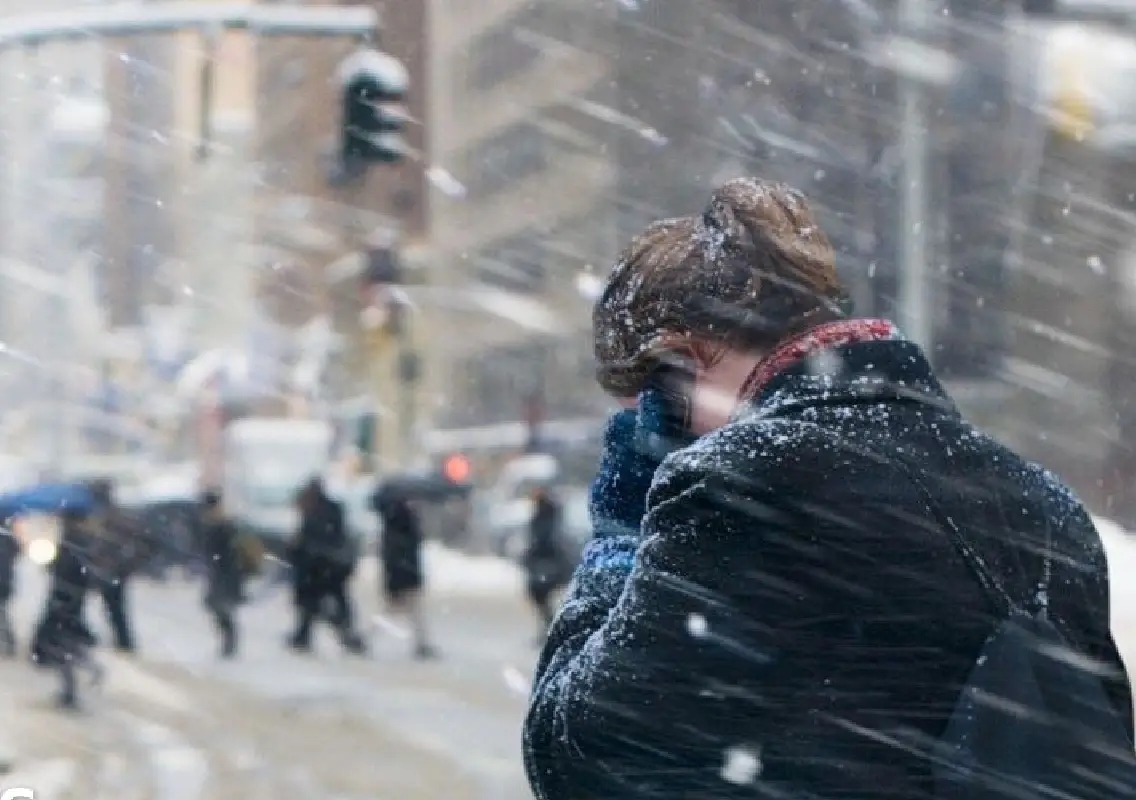


At least ten people have died in New York City after prolonged exposure to extreme cold since late last week, prompting widespread concern over the safety of homeless residents and the city’s preparedness ahead of the Arctic blast.
Victims were found in multiple locations across the city — under an elevated train line in the Bronx, on a park bench in Queens, and near a hospital in Manhattan. Authorities said several of those who died were believed to be living on the streets. While causes of death are still under investigation, officials said some showed signs consistent with hypothermia.
Temperatures plunged below minus 13 degrees
At least six of the deaths occurred early Saturday when temperatures dropped to minus 13 degrees Celsius. The bitter cold, accompanied by snowfall on Sunday, has continued through the week, intensifying risks for those without shelter.
Responding to the crisis, Mayor Zohran Mamdani said the city was deploying additional homeless outreach teams, opening new warming centres and instructing hospitals to limit discharges during the extreme weather. “Extreme weather is not a personal failure, but a public responsibility,” Mamdani said.
Questions over hospital discharges
The deaths have also raised troubling questions about whether enough was done in advance. State Senator Jessica Ramos said one victim, a 52-year-old man originally from Ecuador, was found dead in Queens with hospital discharge papers showing he had been released from Elmhurst Hospital on Friday — despite Code Blue protocols being active. These protocols are meant to prevent homeless patients from being discharged into freezing conditions.
City agencies have not yet responded to questions regarding the discharge or released the names of the deceased.
Advocates warn of systemic gaps
Homelessness advocates said the scale of fatalities in such a short span is alarming. David Giffen of the Coalition for the Homeless said many people avoid shelters due to past negative experiences, underscoring deeper systemic failures.
Although the city said at least 200 people have accepted shelter since the storm began, critics argue that more proactive measures were needed to prevent the loss of life.