







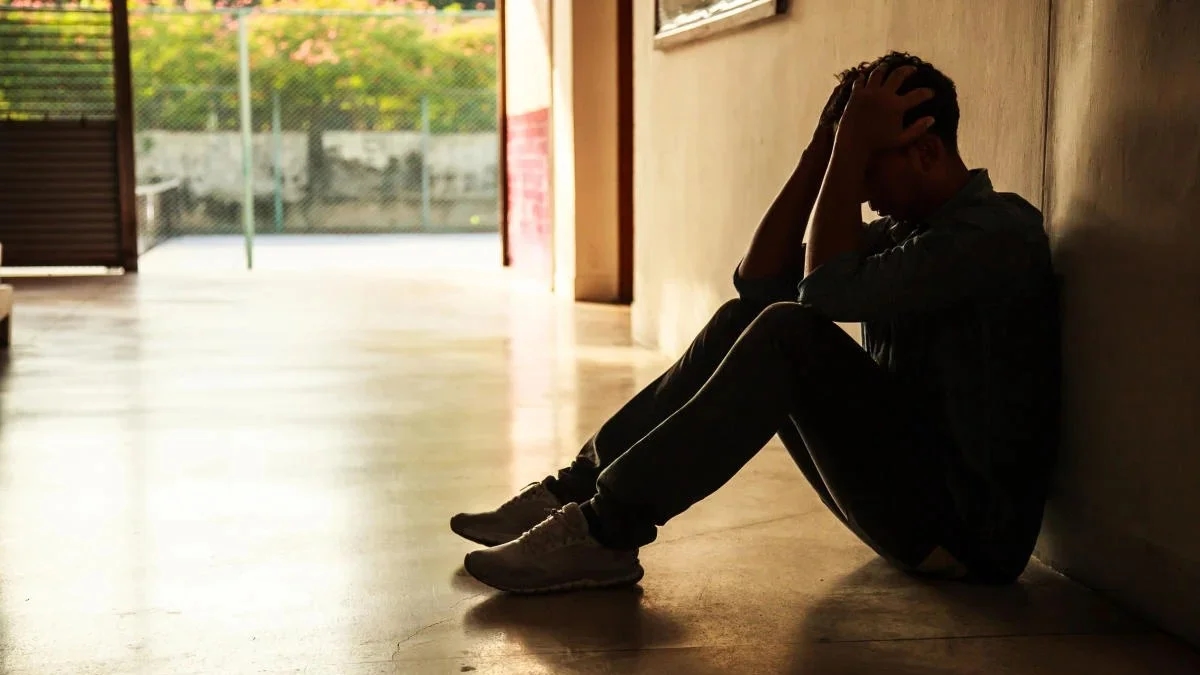


A new analysis of National Crime Records Bureau (NCRB) data has revealed an alarming and under-discussed crisis: men in Karnataka are dying by suicide at significantly higher rates than women, with an average of 29 male deaths every day. Between 2018 and 2023, the state recorded 63,539 suicides, of which over three-fourths were men.
A silent crisis unfolding across Karnataka
In 2023 alone, Karnataka reported 13,330 suicides, including 10,232 men. Rural districts continue to bear the heaviest burden, reflecting structural pressures, financial vulnerability and limited access to mental health care.
The largest category of causes, masked under the broad term “family problems”, includes debt, illness, substance use, infertility, marital strain and domestic conflict. For many men, cultural expectations of stoicism and economic leadership intensify distress.
Mental-health experts note that while women often have more socially acceptable pathways to seek help, men fear judgement, ridicule or legal consequences. As a result, emotional suffering often remains concealed until crisis points.
The burden of silence and stigma
The case of Atul, a Bengaluru tech professional who died by suicide last December, exposed the challenges men face when attempting to speak about emotional abuse or marital conflict. His detailed note resonated widely because such testimonies rarely enter the public sphere.
While violence against women remains a serious concern, the article highlights that patriarchal norms harm men as well, trapping them between silence and unrealistic expectations. A Supreme Court observation on the misuse of legal protections has also reignited debate on the need for gender-balanced, fair processes.
Rural men face multiple layers of vulnerability
The crisis is even more stark in rural Karnataka and elsewhere in India. In 2023, of 4,690 farmer suicides, 4,553 were male. Among farm labourers, 5,433 out of 6,096 deaths involved men. Chronic debt, unpredictable crop cycles, environmental stress and cultural expectations contribute to severe psychological pressure.
Weak support systems, geographic isolation and stigma amplify economic distress into emotional collapse.
Research consistently shows strong correlations between untreated childhood trauma, unaddressed mental-health needs and adult vulnerability. Without early intervention, emotional wounds can harden into lifelong silence.
Gaps in India’s mental-health infrastructure
Although national helplines such as Tele MANAS exist, accessibility is uneven and gender-sensitive services remain scarce. Despite men comprising nearly 70% of suicide deaths nationally, very few seek professional support due to stigma or fear of being perceived as weak.
When tragedies occur, public discourse often defaults to stereotypes. Remarks such as actress Kangana Ranaut’s comment that “men are usually at fault” reflect the broader societal habit of generalisation rather than empathetic listening.
The Kerala High Court recently stated that “men too possess dignity and honour”, urging society not to dismiss their suffering.
Building a healthier culture for men and boys
For meaningful change, experts argue that solutions must go beyond awareness campaigns:
- Families must normalise emotional expression among boys and men.
- Schools and workplaces should cultivate emotional literacy, teaching that masculinity is not defined by silence.
- Communities can establish men’s groups, peer support circles and accessible counselling networks.
- Rural outreach must include trained counsellors who understand the socioeconomic pressures faced by farmers, labourers and daily-wage earners.
- Economic policy reforms should address structural debt, instability and livelihood insecurity.
- Legal systems must ensure fairness—protecting women while also safeguarding men from undue stigma and prolonged litigation.
Above all, society must learn to listen. Men’s emotional pain is often hidden, dismissed or misunderstood, but it is no less human. The rising numbers represent more than personal tragedies; they are a collective reflection of how we construct masculinity and allocate social burdens.
The writer, a former professor and dean at Christ University, Bengaluru, argues that India cannot achieve true gender equality without transforming the ways in which men’s mental health is understood, valued and supported.