







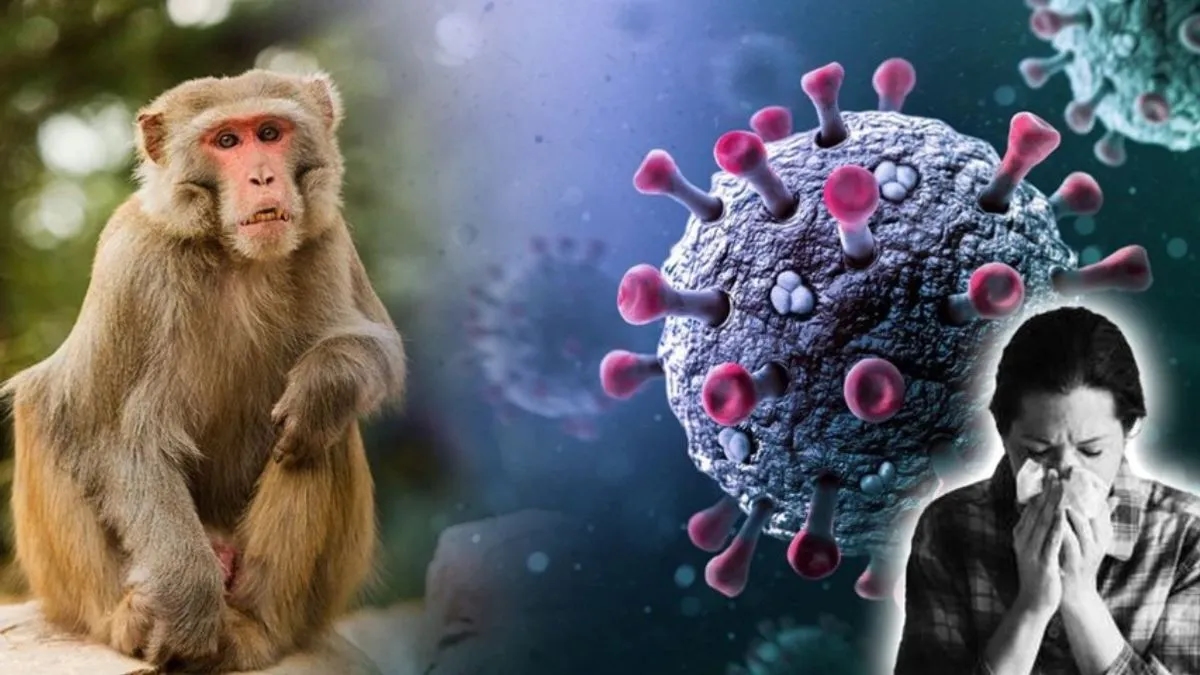


Kyasanur Forest Disease (KFD), commonly known as monkey fever, has been detected earlier than usual in Karnataka this year, raising concerns among health authorities in the Malnad and Western Ghats regions.
The state health department has confirmed seven cases so far—six from Shivamogga district and one from Chikkamagaluru—since November 29, marking an unusually early start to the seasonal outbreak.
What is Kyasanur Forest Disease?
KFD is a severe tick-borne viral haemorrhagic fever caused by a flavivirus and is endemic to the Western Ghats region. The virus is transmitted to humans through the bite of infected ticks, which typically acquire the virus from animals, particularly monkeys.
Symptoms include:
- Sudden onset of high fever and chills
- Severe headache and muscle pain (myalgia)
- Vision disturbances
- Gastrointestinal symptoms
- In severe cases, bleeding complications and death
Without timely medical intervention, KFD can be fatal.
Early onset this season raises concern
Traditionally, KFD cases are detected towards the end of December, with infections peaking during January and February in districts such as Shivamogga, Chikkamagaluru, Uttara Kannada, and Udupi. This year, however, the first confirmed case was reported nearly a month earlier.
Explaining the early spike, Dr KJ Harshavardhan, Deputy Chief Medical Officer of the Virus Diagnostic Laboratory (VDL), Shivamogga, said that tick behaviour appears to have changed this season.
“The ticks transmit the disease only during their nymph stage. During our initial survey in the first week of November, the ticks were in the larva stage. We expected them to convert into nymphs by December, but they did so between November 15 and 20, as they found a blood meal earlier than usual,” he explained.
Dr Harshavardhan added that there is no clear explanation yet as to why the ticks found blood meals earlier this year.
Cases detected during routine surveillance
Health officials clarified that the infections were detected during routine surveillance and fever testing in known KFD hotspots across the Malnad region.
“We were testing patients with suspected fever in endemic areas when the first cases of the season were identified,” Dr Harshavardhan said. “Once infection begins, there is limited scope to contain it, but precautionary measures continue.”
Preventive steps underway
The health department has intensified monitoring through:
- Monthly surveillance and tick collection
- Spraying deltamethrin in areas where monkey deaths are reported to destroy infected ticks
- Distribution of DEPA (Diethyl Phenyl Acetamide) oil, a tick repellent, to residents and forest workers
Awareness programmes are also being conducted, particularly among people living near forested areas, cattle grazers, and those who frequently enter forest zones.
Vaccine remains the long-term solution
Officials have stressed that while repellents and awareness help reduce risk, vaccination is the only sustainable long-term solution to control KFD.
Earlier this year, the Indian Council of Medical Research (ICMR) announced that it is working with Indian Immunologicals Ltd (IIL) on developing an improved KFD vaccine. The vaccine is expected to be ready for public use by January 2026, offering hope for stronger protection in future seasons.
Advisory for residents
Health authorities have urged residents of affected and vulnerable districts to:
- Avoid forested areas where possible
- Wear full-sleeved clothing and trousers
- Use tick repellents regularly
- Report fever symptoms immediately to nearby health centres
With Karnataka entering the high-risk season earlier than expected, officials say early detection, awareness, and cooperation from the public will be crucial in limiting the impact of the disease.