







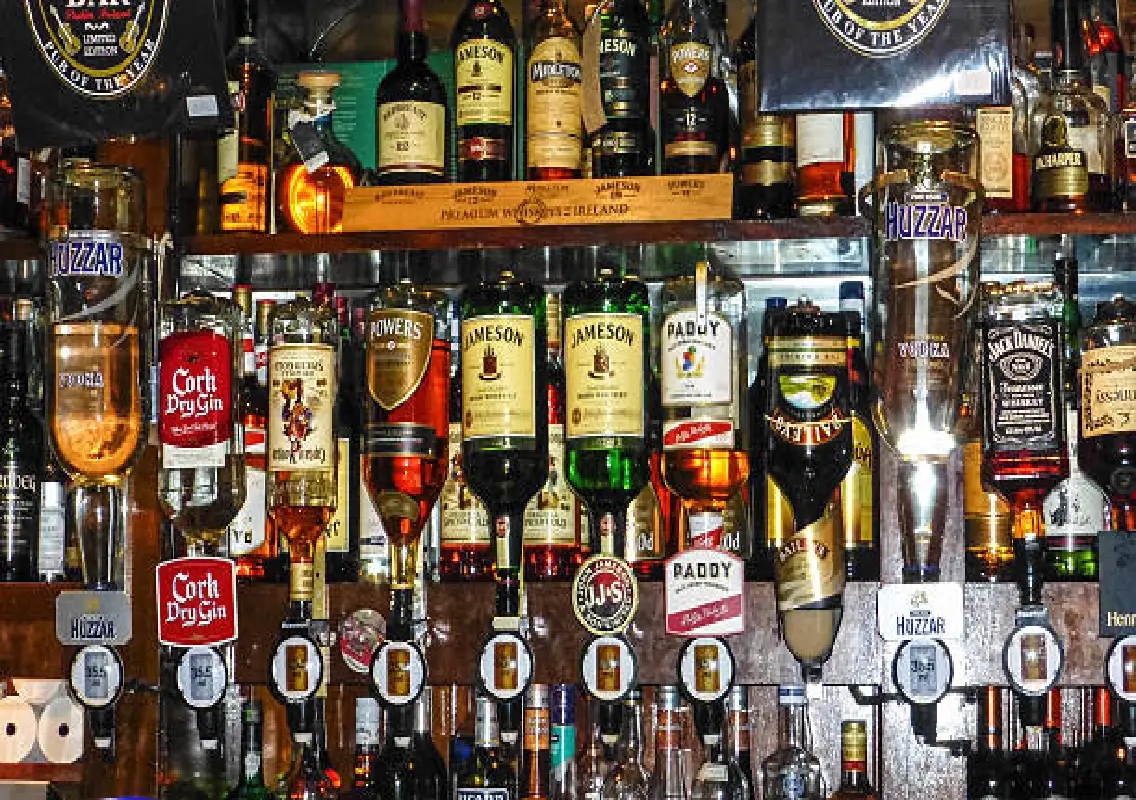


Mangaluru: The Karnataka excise department has announced that 38 defunct liquor licences in Dakshina Kannada and Udupi districts will be auctioned through an online e-auction process, marking a significant policy shift in the allocation of unused licences. Of the total, 30 licences are located in Dakshina Kannada district, while eight are in neighbouring Udupi. Across Karnataka, as many as 579 defunct liquor licences are set to be auctioned as part of the state government’s efforts to improve transparency and generate additional revenue.
The move follows a proposal outlined in the 2025–26 state budget, which recommended the allocation of long-unused liquor licences through a transparent electronic bidding system. Officials said the auction process has already been initiated, with bidding scheduled to begin from mid-January 2026.
First-of-its-kind e-auction initiative
According to excise department officials, this will be the first time that defunct liquor licences are being reallocated through an online e-auction platform in the state. The initiative is expected to bring dormant licences back into active use while ensuring that the process remains open and competitive.
Officials noted that no new CL-2 (retail liquor shop) and CL-9 (bar and restaurant) licences have been issued in Karnataka since 1992. As a result, existing licences — even those that have remained unused for years — have significant market value. The e-auction is seen as a way to unlock this value for the state exchequer.
Why licences became defunct
Bindushree P, Deputy Commissioner of the excise department in Dakshina Kannada, said many of the licences now being auctioned had remained defunct for several years despite repeated renewal notices issued by the department.
“These licences became inactive due to a variety of reasons, including prolonged legal disputes, the death of licence holders without legal successors, or a lack of interest among heirs in continuing the business,” she explained. “Since the licences were not operational, the government was not deriving any revenue from them. They are now being offered through e-auction to ensure optimal utilisation.”
She added that the department had followed due process before declaring the licences defunct and including them in the auction list.
Existing liquor outlets in the region
At present, Dakshina Kannada district has around 584 operational liquor outlets functioning under various categories of licences, including CL-2 and CL-9. However, officials clarified that the licences currently being newly issued are limited to categories such as CL-7 and CL-11C, which pertain to specific types of liquor vending and consumption.
In Udupi district, there are currently about 455 liquor licences in operation. T M Srinivas, Deputy Commissioner of the excise department in Udupi, said the district administration is preparing for the e-auction process by familiarising potential bidders with the new system.
Training planned for bidders
As the e-auction of liquor licences is being introduced for the first time, the excise department plans to organise training workshops for prospective bidders. These sessions will focus on explaining the technical aspects of online bidding, eligibility criteria, and compliance requirements.
“The objective is to ensure that interested investors clearly understand the process and can participate without confusion,” Srinivas said. He added that details regarding the date and venue of the training sessions would be announced shortly.
Officials believe that such preparatory measures will help avoid procedural errors and encourage wider participation in the auction.
High investment cost a concern
Despite the government’s expectations, officials acknowledged that investor response to the e-auction remains uncertain due to the high cost involved in acquiring and operating a liquor licence.
In urban areas, the base bidding price for a liquor licence starts at around Rs 1 crore. In addition to this, setting up the business — including infrastructure, interiors, staffing, and compliance costs — may require an additional investment of approximately Rs 2 crore.
Industry observers said these high entry barriers could limit participation to financially strong players, particularly in cities and major towns. In rural and semi-urban areas, however, some bidders may see the licences as long-term investments.
Licences valid for five years
Excise department officials confirmed that the licences obtained through the e-auction will be valid for a period of five excise years, subject to compliance with existing rules and regulations. Licence holders will be required to adhere strictly to excise laws, zoning norms, and other statutory requirements.
The government expects the auction to generate substantial revenue, not only through bidding amounts but also through recurring income in the form of licence renewal fees, excise duty, and taxes once the outlets become operational.
Conclusion
The decision to auction defunct liquor licences through an online platform represents a major policy shift aimed at transparency and revenue generation. While the initiative has the potential to unlock dormant assets and boost state finances, the actual outcome will depend on investor interest and the successful execution of the e-auction process. With bidding set to begin in mid-January, all eyes will be on how the market responds to this long-awaited reform in Karnataka’s excise policy.