




Mangaluru: The Communist Party of India (CPI) Mangaluru taluk committee has urged the Karnataka government not to change the name of Dakshina Kannada district, stating that the existing name reflects the region’s historical legacy, linguistic identity and distinctive character.
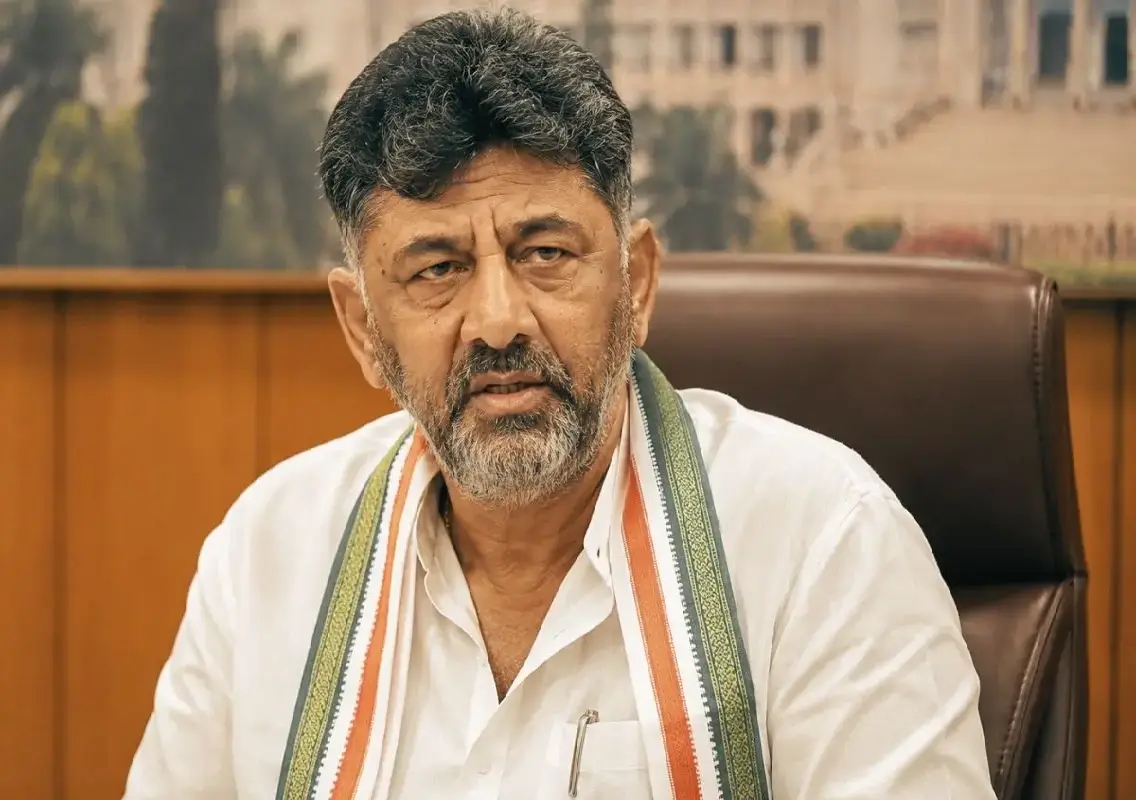
In a letter addressed to Chief Minister D K Shivakumar, CPI district secretary B Shekhar said that although demands to rename the district had emerged in the past, primarily from certain sections in Mangaluru city, the proposal did not represent the wishes of the majority of people across the district.
He maintained that residents of other towns and villages in Dakshina Kannada did not appear to support the proposed name change and argued that the district’s historical and cultural identity should be preserved.
CPI says name change lacks majority support
In the letter, Shekhar observed that the demand to rename Dakshina Kannada had largely originated from certain quarters in Mangaluru city rather than from people across the district.
He said the communities living in smaller towns and villages had not demonstrated broad support for changing the district’s name.
According to the CPI leader, the majority of residents appeared to favour retaining the existing name. The party has therefore appealed to the state government not to proceed with any proposal to rename the district.
The CPI’s position centres on the argument that the district’s name represents a regional identity that extends beyond its administrative headquarters and should not be altered on the basis of demands from particular sections.
Historical legacy of Dakshina Kannada
Shekhar also referred to the historical evolution of Dakshina Kannada, recalling that the district once covered a much larger geographical area.
During the Madras Presidency, the region included Mangaluru, Udupi, Kasaragod and parts of present-day Kannur. Following the reorganisation of states on linguistic lines, Kasaragod and other parts of Kerala were separated from Dakshina Kannada.
Udupi was subsequently carved out as a separate district in Karnataka.
Despite these territorial changes, Dakshina Kannada retained its name and continued to represent the identity of the remaining region, Shekhar noted.
The CPI leader argued that the district’s continued existence under its traditional name reflected the resilience of its people and their connection to the region’s history.
He maintained that preserving the name would help protect this legacy for future generations.
CPI highlights district’s distinctive identity
The letter also drew attention to the administrative and cultural distinctiveness of Dakshina Kannada compared with other districts in Karnataka.
Shekhar noted that, apart from Dakshina Kannada, Uttara Kannada and Kodagu, most districts in the state are named after their principal headquarters towns.
According to him, these three districts have retained their traditional names because of their distinctive regional characteristics.
He argued that Dakshina Kannada stands apart from other parts of Karnataka in political, social and economic terms, making its established identity particularly significant.
The CPI believes that retaining the name would recognise the district’s unique place within the state and preserve the historical continuity associated with it.
Kannada language cited as another reason
The CPI has also cited the Kannada language as an important reason for retaining the district’s name.
Shekhar pointed out that the word ‘Kannada’ is embedded in the name Dakshina Kannada, linking the district’s identity directly to the state’s official language.
He said that although Tulu is the native language of many people in the coastal region, residents also accord considerable importance to Kannada.
The district has produced several prominent Kannada literary figures who have contributed to the development of the language and its literary traditions.
Shekhar argued that the region’s linguistic contribution and its distinctive cultural identity should be recognised while considering any proposal concerning the district’s name.
The CPI’s position is that retaining the existing name would help preserve the connection between the region, its people and the broader Kannada-speaking community.
Party urges government to preserve existing name
Concluding its appeal, the CPI urged the Karnataka government not to change the name of Dakshina Kannada under any circumstances.
The party said the district’s historical background, geographical evolution, cultural characteristics and contribution to Kannada literature all support retaining its established identity.
The letter adds to the debate over the proposed renaming of the coastal district, with the CPI emphasising the need to consider public opinion across the entire region rather than the demands of a limited section.
The state government’s response to the party’s representation was not mentioned in the statement.