







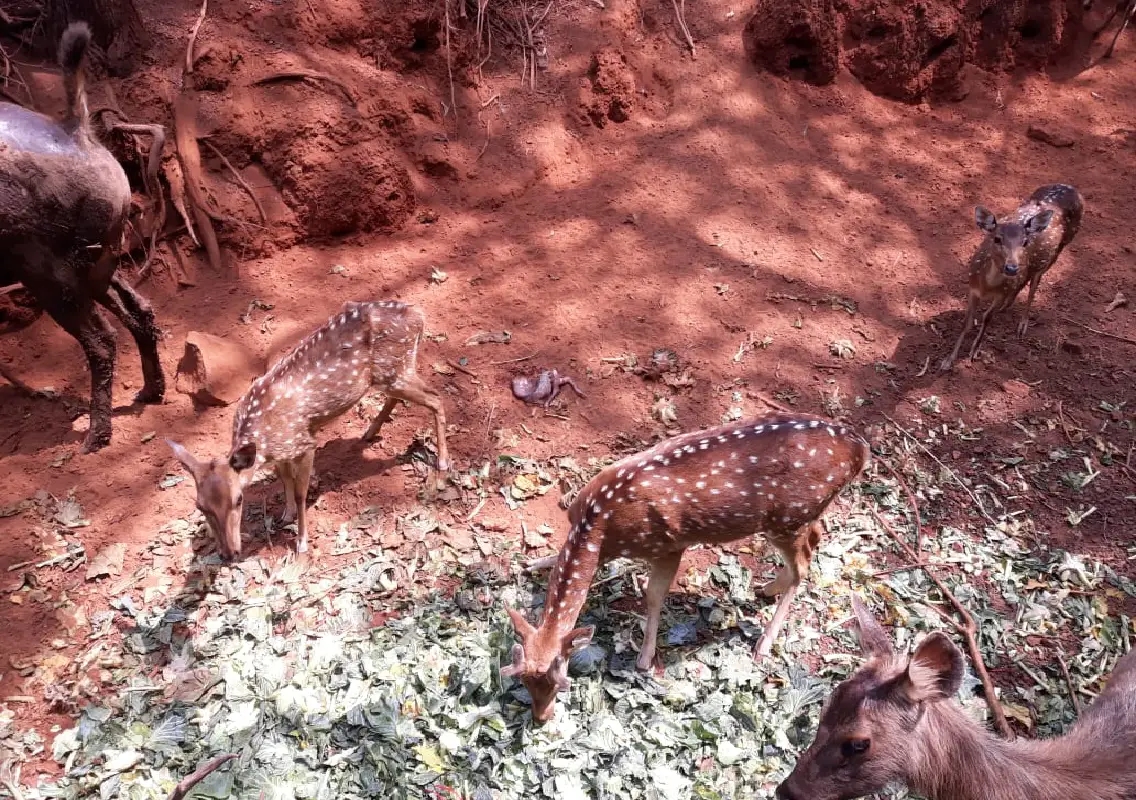


Mangaluru: High Court judges have directed the immediate closure of Pilikula Zoo after taking serious note of the poor condition of animals and alleged mismanagement at the facility. The direction came during the hearing of a Public Interest Litigation (PIL), where the court expressed shock over photographs showing unhealthy animals, rusted enclosures and unhygienic surroundings. The bench warned the government that the park must be shut without delay if animal welfare standards are not being met.
The zoo, located within the Pilikula Nisargadhama campus, is a well-known destination for children and families and one of the major tourist attractions in the coastal belt. However, the court observed that the current state of upkeep and animal care raises grave concerns.
Court expresses shock after viewing photographs
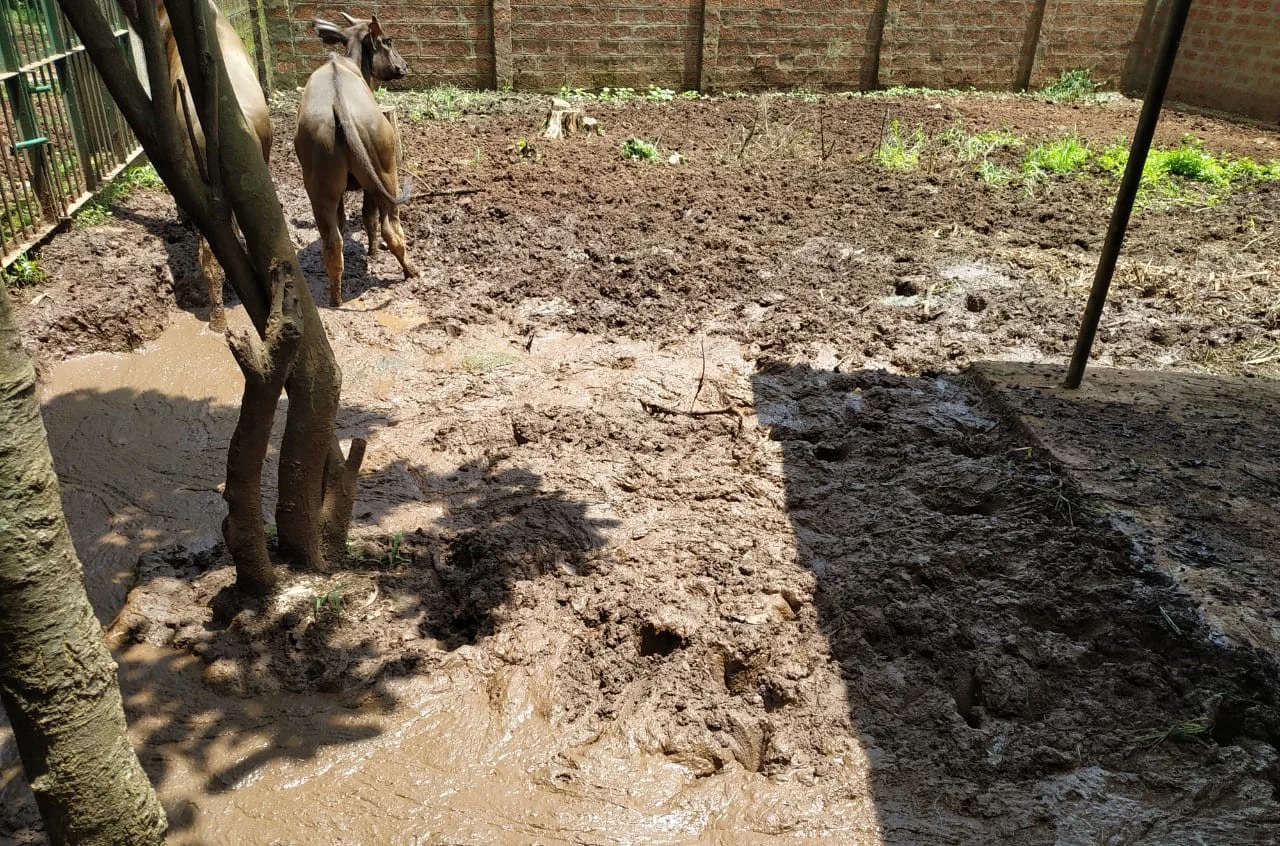
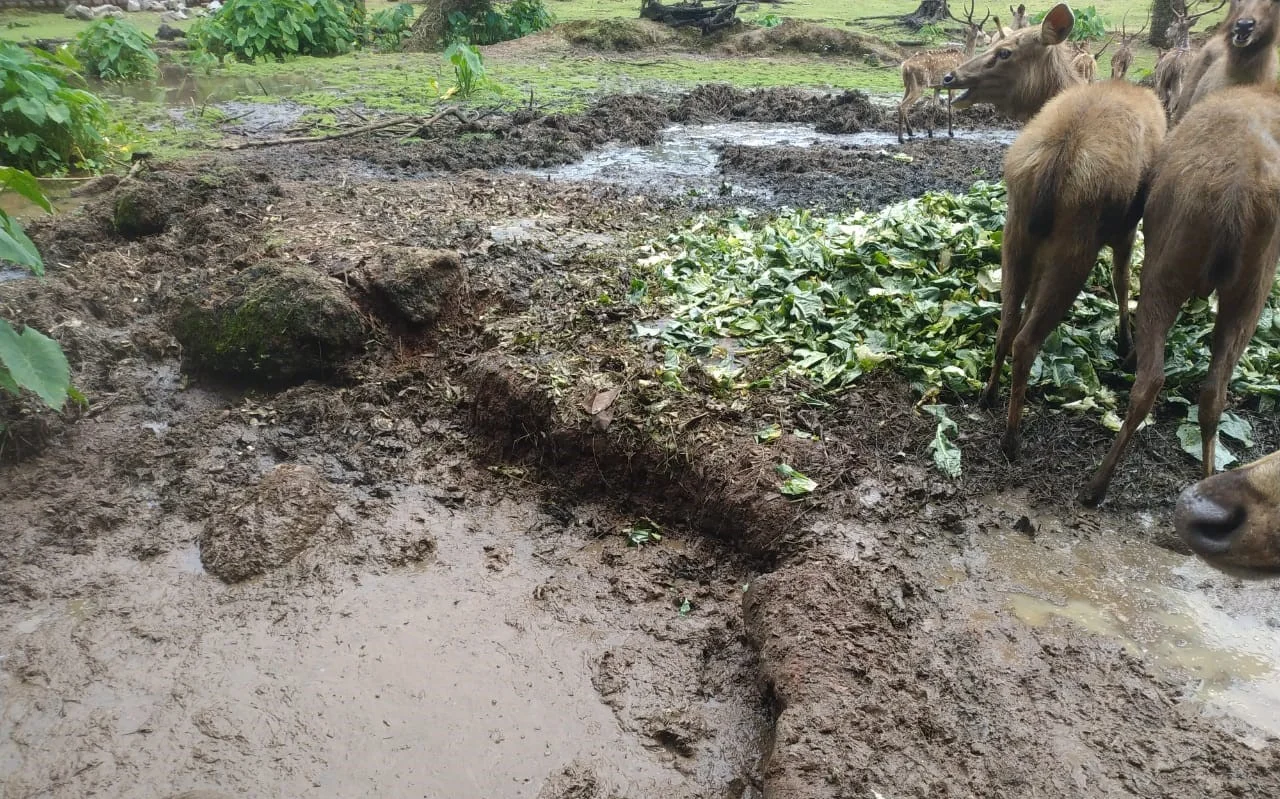
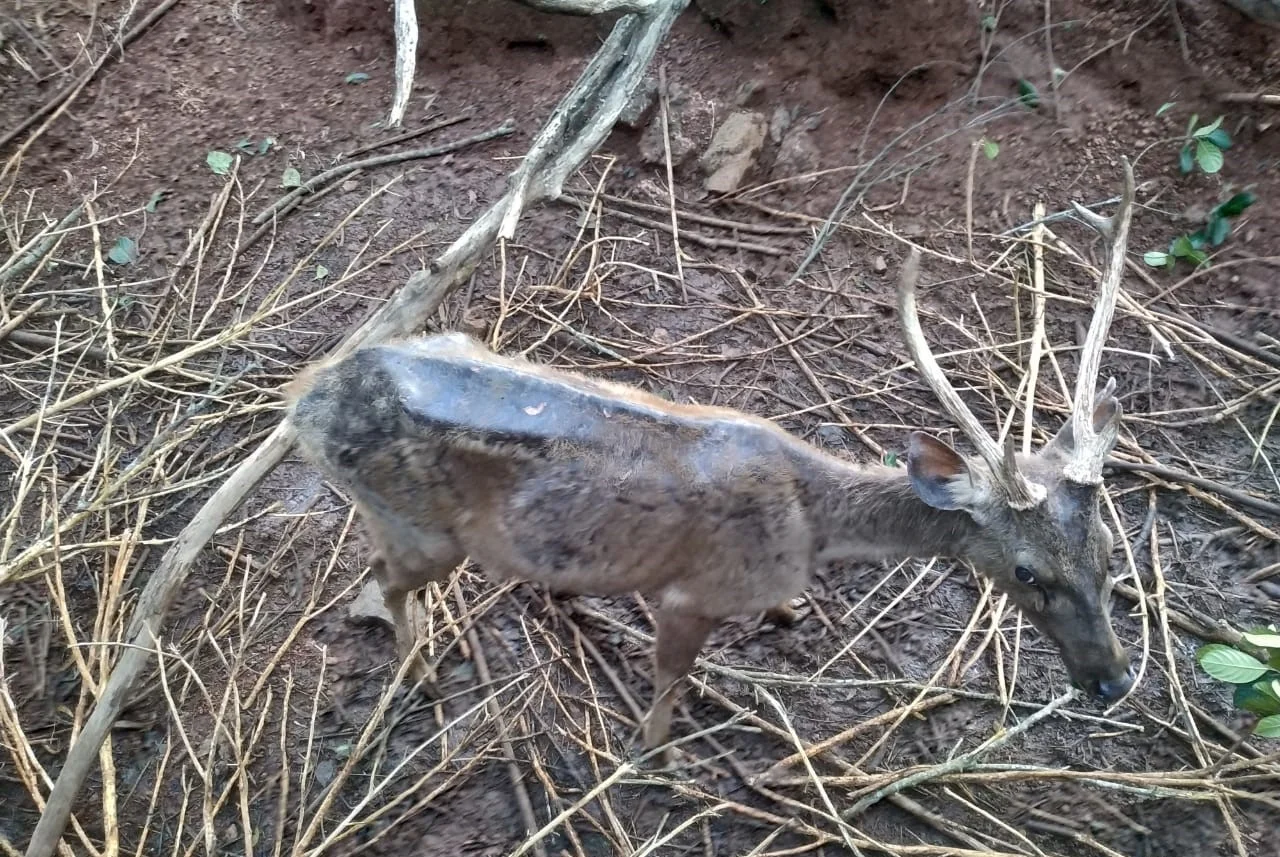
During the PIL hearing filed by wildlife conservationist Bhuvan, the bench examined photographic evidence placed on record regarding the condition of animals housed in the zoo. After reviewing the images, the judges voiced strong displeasure and concern over what they described as a miserable and unacceptable situation.
The court noted visible signs of neglect, including poorly maintained and rusted cages, dirty surroundings and inadequate safety arrangements. It questioned how such conditions were allowed to persist in a recognised zoological facility expected to follow strict national standards.
The bench made it clear that animal welfare cannot be compromised and observed that continued operation under such circumstances would not be permitted.
Questions raised over licence validity
A major issue flagged during the hearing was the validity of the zoo’s operating licence. The court noted submissions indicating that the licence had expired in December 2025 and questioned whether the facility was continuing to function without proper authorisation.
Judges sought clarification from the authorities on the current licence status and compliance with Central Zoo Authority (CZA) norms. The court indicated that operating without a valid licence would amount to a serious violation and could invite further legal consequences.
The bench also examined whether periodic inspections and compliance reports had been properly conducted and submitted.
Allegations of poor animal care and unsafe conditions
The PIL and related submissions alleged that several animals at the zoo were weakening due to lack of proper medical care and supervision. Concerns were raised that animals were falling ill after consuming contaminated water and living in unhygienic enclosures.
The court took note of claims that veterinary attention, nutrition standards and enclosure maintenance were not being adequately ensured. It stressed that zoos have a legal and moral duty to provide proper habitat conditions, clean drinking water, medical treatment and species-appropriate care.
Judges remarked that failure in these basic responsibilities amounts to cruelty and institutional negligence.
Show-cause notice reportedly ignored
During the proceedings, it was stated that the Central Zoo Authority had earlier issued a show-cause notice to the zoo management regarding deficiencies and compliance failures. However, the court was informed that the notice had allegedly not been properly responded to or acted upon.
The bench treated this as a serious lapse and questioned the accountability of the authorities managing the facility. It indicated that ignoring statutory notices from the apex regulatory body for zoos reflects administrative apathy.
The court signalled that responsibility may be fixed on officials concerned after reviewing records and responses.
Major tourist attraction under scrutiny
The zoo has long been promoted as an educational and recreational space, drawing families, students and tourists. The present controversy has triggered concern among animal lovers, conservationists and regular visitors who say the facility’s standards have declined over time.
Wildlife activists argue that zoos must function primarily as conservation and education centres, not merely as display spaces. They say proper funding, trained staff, veterinary infrastructure and regulatory oversight are essential to ensure animal welfare.
The PIL petitioner urged the court to prioritise animal safety over tourism considerations and to enforce strict compliance with national zoo guidelines.
Government asked to respond urgently
The High Court has directed the government and concerned authorities to respond urgently on the issues raised, including licence status, animal health measures, enclosure conditions and compliance with Central Zoo Authority norms.
By ordering immediate closure, the bench sent a strong message that animal welfare violations will not be tolerated. Further hearings are expected after the authorities submit their status reports and action taken details.
Conclusion
The court’s order marks a significant intervention in favour of animal welfare and regulatory accountability. The future of the zoo will now depend on whether the management and authorities can demonstrate full compliance with legal and welfare standards. Until then, the closure directive stands as a warning to all such facilities that negligence and poor upkeep can invite strict judicial action.