







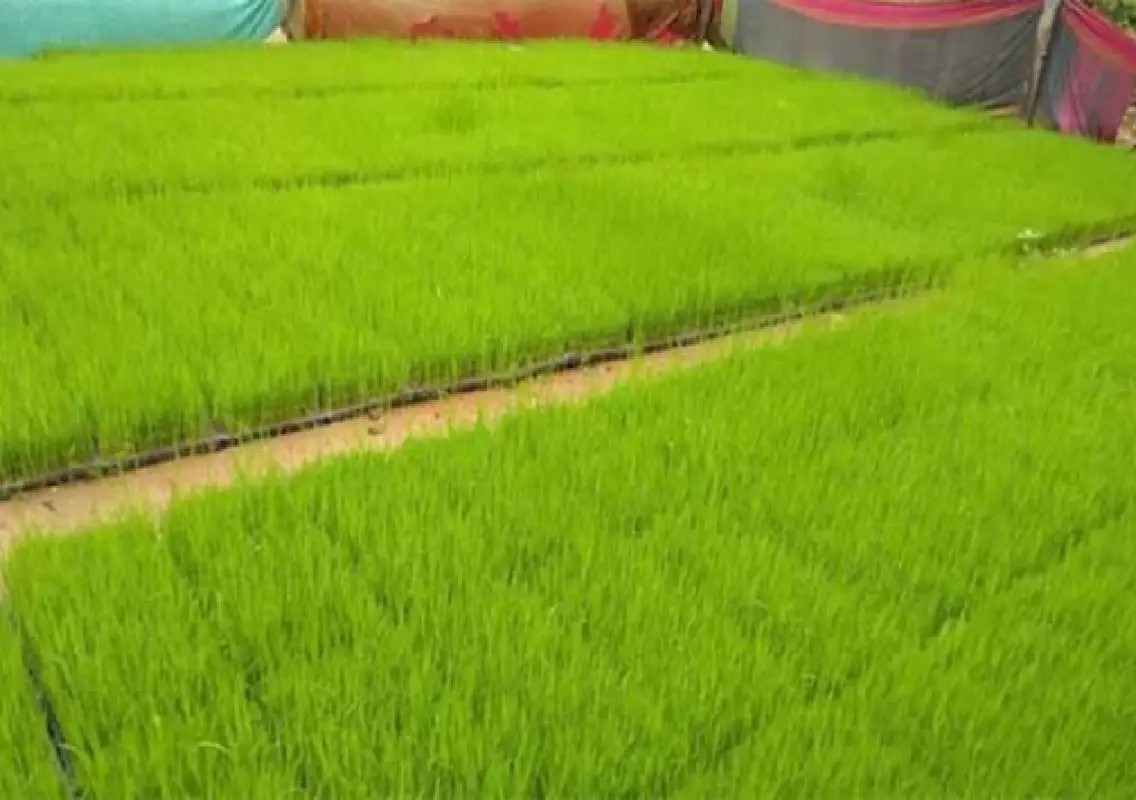


Mangaluru: With the kharif sowing season under way, the Agriculture Department has urged paddy farmers across the coastal districts to enrol under the Karnataka Raitha Suraksha Pradhan Mantri Fasal Bima Yojana, describing the scheme as a vital safety net against crop losses caused by natural calamities and adverse weather conditions.
Registration for the crop insurance scheme has already commenced, with IndusInd General Insurance Co Ltd appointed as the implementing agency for Dakshina Kannada district. Farmers can enrol in the scheme until August 14 by paying the prescribed premium at their nearest bank or authorised centres.
Premium and insurance coverage
According to officials, farmers are required to pay a premium of Rs 611.91 per acre, which amounts to two per cent of the insured sum of Rs 30,595.32 per acre. The remaining premium amount will be borne by the Centre and State governments under the crop insurance scheme.
The department said the insurance scheme is intended to provide financial security to farmers facing crop damage due to excessive rainfall, floods, drought-like situations and other weather-related challenges.
Officials explained that compensation would be provided if sowing fails in more than 75 per cent of the notified area during the monsoon because of natural calamities or unfavourable weather conditions. In such cases, affected farmers would receive immediate relief to help them manage financial losses and prepare for the next agricultural season.
Farmers will also be eligible for compensation if crop losses exceed 50 per cent between the sowing and harvesting stages. The scheme additionally covers damage to harvested produce caused by unseasonal rainfall or storm-related rain occurring within two weeks after harvest.
Relief for localised crop damage
The Agriculture Department stated that crop losses arising from localised natural calamities, including landslides, crop submergence and hailstorms, would be assessed by the insurance company in accordance with the scheme’s operational guidelines.
Officials further said that if sowing fails because of inadequate rainfall across 75 per cent of the land within a notified gram panchayat, farmers would be entitled to receive 50 per cent of the insured amount immediately as relief assistance.
The department believes that wider participation in the insurance scheme will reduce the financial burden on farmers and encourage them to continue agricultural activities despite increasing climatic uncertainties.
Registration facilities made available
Farmers can register for the insurance scheme through their nearest GramaOne centres, Karnataka One centres, hobli raitha samparka kendras and designated bank branches. The department has appealed to all eligible farmers to complete the registration process before the August 14 deadline.
The appeal comes at a time when paddy cultivation activities have just begun in Dakshina Kannada district. The Agriculture Department has fixed a target of cultivating paddy over 10,000 hectares during the current kharif season. However, only 70 hectares have been sown so far.
Officials attributed the slow progress in sowing to the delayed commencement of agricultural activities in some areas and said efforts are being made to encourage farmers to take up cultivation at the earliest.
Adequate seed and fertiliser stock available
Against the district’s requirement of 830 quintals of paddy seeds, authorities said that 750 quintals are currently in stock. Of this, nearly 540 quintals have already been distributed to farmers.
The department also assured cultivators that there is no shortage of fertilisers in the district. Nearly 15,000 tonnes of various grades of fertilisers are available for distribution to meet the seasonal demand.
Meanwhile, neighbouring Udupi district has fixed a paddy cultivation target of 36,000 hectares for the current kharif season.
Agriculture officials have once again urged paddy farmers in the coastal belt to make use of the crop insurance scheme, emphasising that unpredictable weather conditions and natural disasters make insurance coverage an essential safeguard for protecting agricultural livelihoods and ensuring financial stability in the farming sector.