







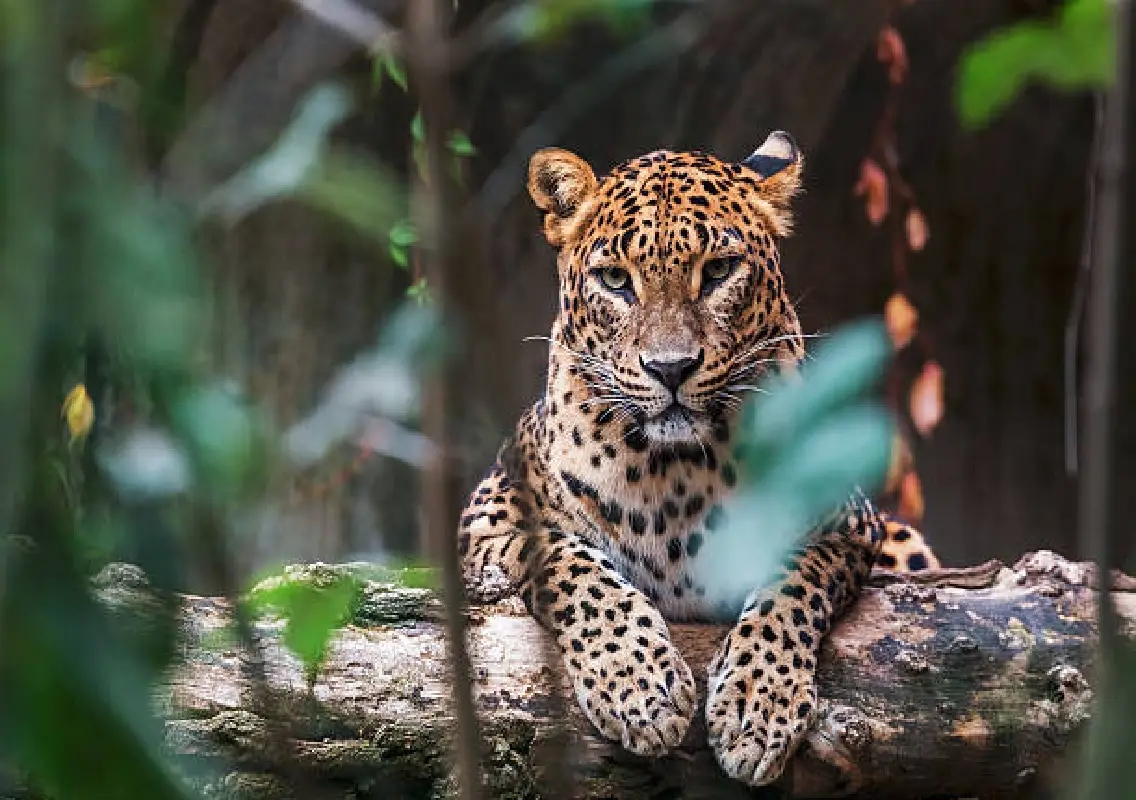


Mangaluru: Panic has gripped residents of Maroli and Shaktinagar in Mangaluru city following repeated sightings of a leopard in residential areas over the past week. The wild animal was reportedly seen again on Sunday morning, intensifying concerns among locals who fear for their safety.
According to residents, the leopard has been appearing almost daily since February 17 in Shaktinagar, Maroli and areas close to the adjacent railway tracks. The frequent movement of the animal in thickly populated neighbourhoods has caused alarm, especially among early morning walkers, children and elderly residents.
CCTV footage confirms presence
The presence of the leopard was confirmed after CCTV footage from a house in Shaktinagar captured visuals of the animal entering the compound through an open gate during the night. The footage, which has since circulated among residents, clearly shows the leopard moving cautiously within the premises before exiting the area.
Local residents said the repeated sightings have disrupted their daily routines. Many have stopped stepping out alone during early morning or late evening hours. Parents are particularly worried about children commuting to schools and tuition classes.
Early morning churchgoers heading towards Kulasekhara Church have also reported spotting the animal near the roadside and in open plots. The sightings have been reported not only at night but also during early daylight hours, adding to the seriousness of the situation.
Movement reported near temple and railway tracks
Residents have informed the Forest Department about the leopard’s movement in several locations, including near the Nantoor Suryanarayana Temple and along the railway tracks adjoining Shaktinagar and Maroli. Locals claim the animal has been seen moving close to residential compounds and vacant sites in broad daylight.
Forest officials have confirmed that a leopard is active in the area. Teams have been deployed to monitor its movement and assess the situation. Officials said the animal may have strayed into the city in search of food, possibly following stray dogs or other prey.
The proximity of wooded patches, railway corridors and open land is believed to have provided the leopard with cover, allowing it to move undetected for several days.
Residents demand immediate action
As fear spreads across the locality, residents have urged the Forest Department to take swift action to capture the leopard. They have specifically demanded that a cage be set up in strategic locations to safely trap the animal and relocate it to a suitable forest habitat.
Local community leaders said that while they understand wildlife occasionally strays into urban areas, public safety must be prioritised. They stressed that the leopard’s movement near places of worship, residential homes and pedestrian routes poses a significant risk.
Forest Department officials have appealed to the public to remain calm and avoid venturing out alone during early morning and late night hours. They have also advised residents not to attempt to chase or provoke the animal if spotted.
Authorities are reportedly considering installing camera traps and placing cages in areas where the leopard’s movement has been frequent. Patrol teams have increased their vigil, particularly around Shaktinagar, Maroli and the stretch near the railway tracks.
Growing human-wildlife interface
The incident once again highlights the growing interface between urban expansion and wildlife habitats in and around Mangaluru. Experts note that rapid development, shrinking forest buffers and the availability of food sources such as stray animals often draw wild species into city limits.
While no attacks or injuries have been reported so far, the continued presence of the leopard has left residents anxious. Until the animal is safely captured or moves away from the locality, tension is likely to persist.
For now, residents remain on alert, hoping that coordinated efforts by the Forest Department will soon bring relief and restore a sense of safety in the affected neighbourhoods.