







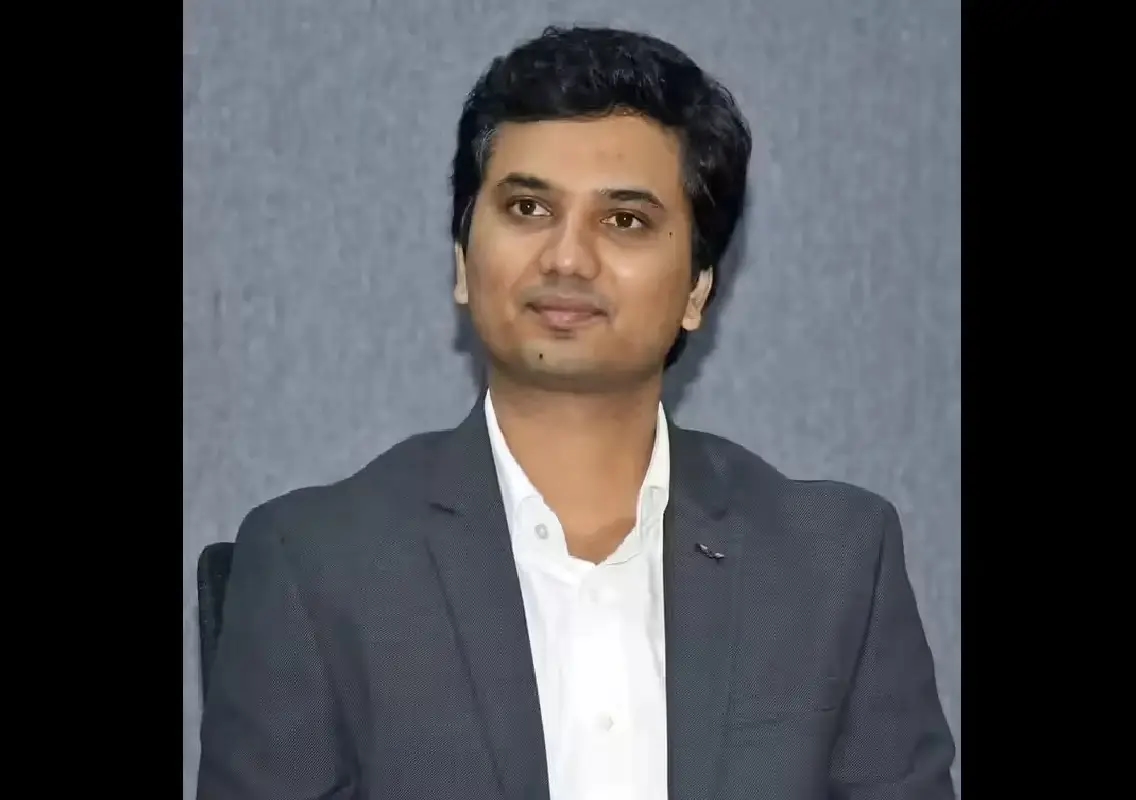


Mangaluru: The first round of the public meeting connected to the preparation of the Mangaluru City Corporation (MCC) budget for the 2026–27 financial year was held on December 30, but witnessed poor public participation. Expressing disappointment over the low turnout, District Commissioner Darshan H V, who is also the administrator of the corporation, said only a handful of people attended the meeting despite it being open to a wide range of stakeholders.
The meeting was convened to invite suggestions from registered residents’ welfare associations, registered non-governmental organisations, commercial and industrial bodies, public representatives and members of the general public. However, only 12 persons participated, including a few NGO representatives and citizens. The absence of former public representatives was particularly noticeable.
Reacting to the sparse attendance, Darshan H V said the number of participants offering suggestions was very low and urged citizens to take greater interest in civic matters. He appealed to the public to participate in larger numbers during the second round of the budget consultation meetings and share constructive inputs for the city’s development.
Concerns over maintenance of public assets
On behalf of the public, G K Bhat expressed dissatisfaction over the maintenance of parks and lakes developed across the city. He pointed out that while several parks and lakes have been developed by the Mangaluru Urban Development Authority (MUDA), many of them are not being properly maintained, resulting in crores of rupees of taxpayers’ money going to waste.
Responding to these concerns, the district commissioner said the issue had been taken note of. He informed the gathering that a total of 28 lakes and 16 parks have been developed across the city. At the time of handing over such assets to the city corporation, budgetary provision for their maintenance is essential. Hence, while executing such projects, contractors are now being asked to undertake maintenance for a period of three to five years as part of the contract conditions.
Legacy waste disposal at Pachchanady
Addressing suggestions related to the disposal of legacy waste accumulated at Pachchanady, Darshan H V said the management of legacy waste has already been outsourced. He explained that the disposal work had been delayed earlier due to staff shortages, but the process has now regained momentum.
Of the estimated 9 lakh tonnes of accumulated legacy waste, around 6.5 lakh tonnes are yet to be cleared. For completing this task, a time frame of 18 months has been fixed, he said.
Revenue leakage and staff shortage flagged
Several participants raised concerns related to revenue leakage and administrative challenges. N P Shenai of Suvarna Karnataka NGO highlighted a severe shortage of staff in the corporation’s revenue department. He said that while building licences require separate permissions for water, electricity and sewerage connections, nearly 50 per cent of applicants do not obtain these approvals.
He also pointed out that during self-declared property tax payments, penalties amounting to several thousand rupees are imposed for arrears from previous years. As a result, many property owners delay tax payments, leading to revenue loss for the corporation. Shenai further drew attention to losses caused by encroachment of stormwater drains and the continued use of tanker water even during the monsoon season.
Meeting turns into grievance redressal forum
With multiple participants highlighting civic issues along with revenue concerns, the budget preparatory meeting effectively turned into a grievance redressal forum. S L Pinto, Rajendra Kumar and Radhakrishna also offered suggestions on various civic matters.
Corporation Revenue Officer Akshata was present on the dais during the meeting and took note of the issues raised by participants.
Other key suggestions
Several practical suggestions were put forward by participants. Suresh Naik said facilities in municipal market stalls should be improved in a manner that benefits poor traders, and suggested that parking fees be levied in market complexes to generate revenue.
Ashwini Bhatt pointed out that although QR codes have been installed in houses for waste management, they are not being effectively used. She suggested imposing fines on households that fail to segregate waste.
Alvin D’Souza raised concerns about land donated to the corporation through gift deeds being encroached upon later by individuals who set up shops or gardens. He called for strict fines against such encroachments. He also urged the corporation to identify cases where sewerage connections are illegally provided to multiple houses or commercial complexes through a single door to evade taxes.
Emphasis on public responsibility
Commenting on waste management, Darshan H V said it was unfortunate that proposals were being made to install CCTV cameras to identify garbage black spots even in Dakshina Kannada, one of the state’s more developed districts. He stressed that citizens should voluntarily segregate waste and hand it over to corporation vehicles.
He noted that since many residents fail to do so, garbage collectors sometimes dump waste in front of certain houses and segregate it there to create awareness, which can in turn lead others to dump waste indiscriminately. Public awareness and cooperation are therefore crucial, he said.
Conclusion: The first round of the MCC budget consultation for 2026–27 highlighted both the challenge of low civic participation and the wide range of issues facing the city, from waste management and asset maintenance to revenue leakage. Officials expressed hope that greater public involvement in the next round would lead to more inclusive and effective budget planning.