







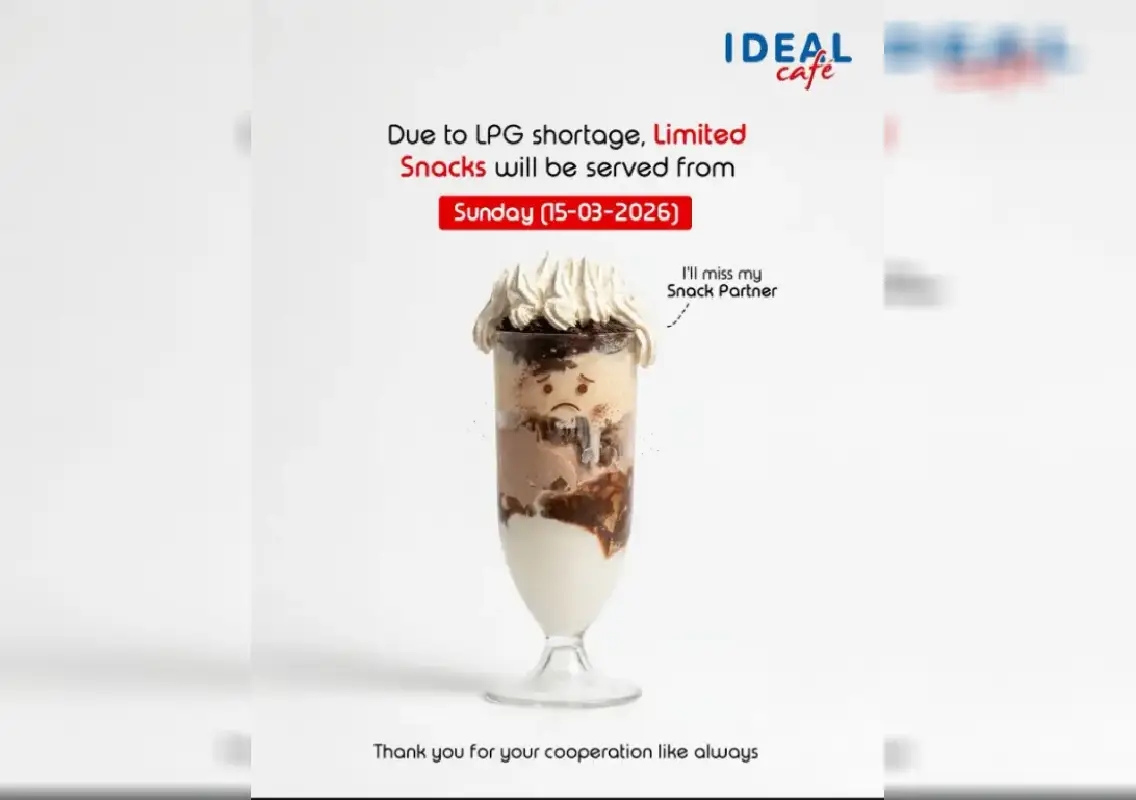


Mangaluru: Several food outlets and small eateries in parts of Karnataka are expected to limit the number of snacks they serve starting Sunday, March 15, due to an ongoing shortage of Liquefied Petroleum Gas (LPG). The shortage has begun affecting cooking operations across hotels, snack stalls and small restaurants, forcing operators to reduce menu options and adopt alternative cooking methods.
Industry representatives say the situation has become challenging as LPG is the primary fuel used for cooking in most commercial kitchens. With supply disruptions affecting the regular delivery of cylinders, many establishments have decided to temporarily limit the range of snacks available to customers.
While restaurants will remain open, customers may notice fewer snack options and slower service in some locations until the supply situation improves.
Snack menus to be temporarily reduced
According to hotel owners and snack vendors, several popular items that require continuous frying or high gas consumption may not be prepared regularly.
Snacks such as vadas, bajjis, bondas, pakodas and other deep-fried items consume significant amounts of cooking gas during preparation. Due to the limited availability of LPG cylinders, many outlets are planning to prepare only essential items or reduce the quantity produced each day.
Some eateries have also indicated that they will prioritise preparing staple food items such as meals, rice dishes and basic breakfast items rather than offering a wide variety of snacks.
Hotel operators say the move is necessary to ensure that available gas supplies last longer and that regular meal services are not interrupted.
Supply disruptions affecting businesses
Restaurant owners and catering operators report that the shortage has already started affecting their daily operations.
Commercial kitchens typically require multiple LPG cylinders each day to meet cooking demands, particularly during peak meal hours. Even a slight disruption in supply can lead to operational difficulties.
Some hoteliers have said that deliveries from distributors have been delayed or reduced, forcing them to ration the cylinders already in stock.
Smaller establishments, including roadside snack stalls and Darshinis, are among the worst affected because they rely heavily on daily sales and do not maintain large reserves of fuel.
For many small vendors, reducing snack preparation is one of the few practical steps they can take to manage the limited supply.
Conclusion
The temporary reduction in snack availability from March 15 reflects the growing pressure faced by restaurants and snack vendors due to the LPG shortage.
While businesses are taking steps to manage available resources and continue operations, the situation highlights the heavy dependence of the food industry on stable cooking gas supplies.
Hotel owners remain hopeful that the supply chain will return to normal soon, allowing eateries to restore their full menus and regular services.