







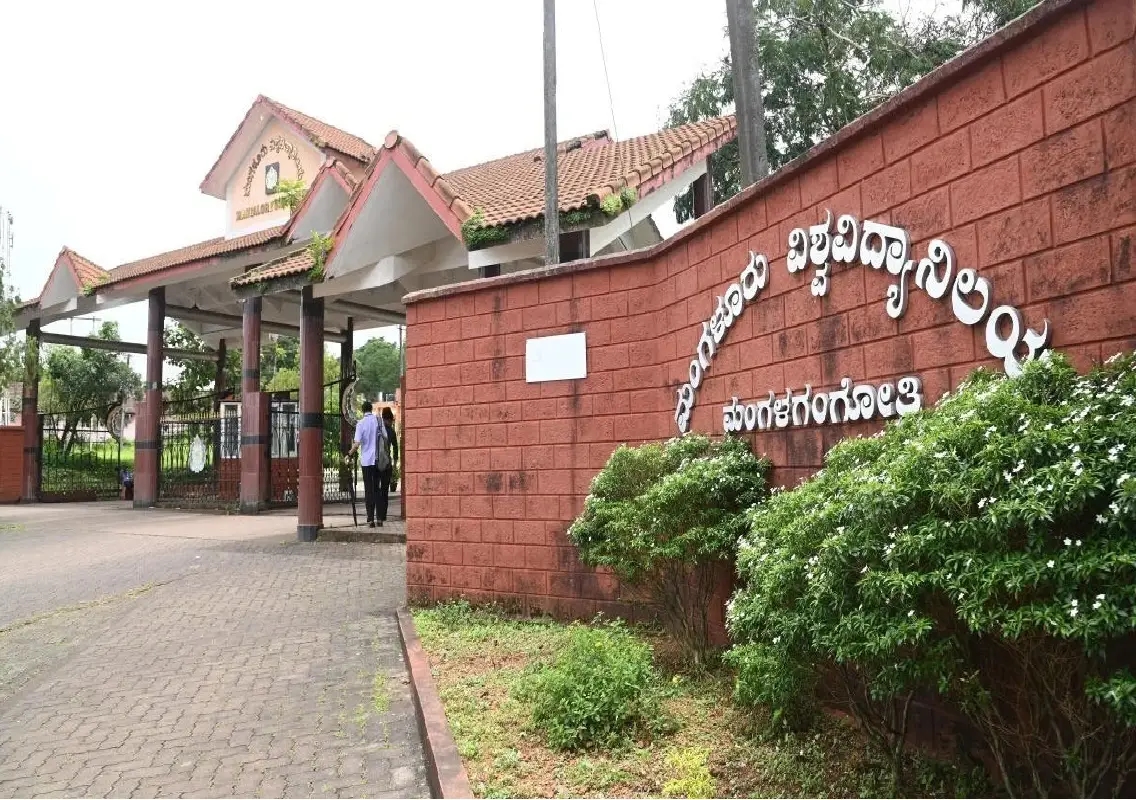


Mangaluru: The Academic Council of Mangalore University on Monday approved proposals for the self-closure of 22 private degree colleges affiliated with the university. The decision was taken during a meeting of the Academic Council presided over by Vice-Chancellor Prof P L Dharma, marking a significant development in the region’s higher education sector.
Presiding over the meeting, Prof Dharma said that the managements of the concerned colleges had voluntarily decided to shut down their institutions. He clarified that the decision would not adversely affect students who have already taken admission and are currently pursuing their studies in these colleges.
Academic continuity assured for existing students
The Vice-Chancellor assured that academic activities for existing students will continue until they complete their respective courses. He stated that the colleges have been instructed to provide all essential academic and administrative services without interruption.
These include verification of marks cards, conduct of examinations, issue of certificates, and fulfilment of other academic requirements. University authorities will monitor the process to ensure that students do not face inconvenience due to the closure of their institutions.
Reasons behind the self-closure proposals
University officials explained that the closures stem primarily from a prolonged decline in student admissions. Several private degree colleges have witnessed a steady drop in enrolments over the past few years, making it difficult to sustain operations.
Due to factors such as lack of admissions and related operational challenges, these colleges did not apply for renewal of affiliation for the current academic year. Consequently, the managements submitted self-closure proposals, which were placed before the Academic Council for approval.
Reduction in number of affiliated colleges
With the closure of these 22 colleges, the total number of colleges affiliated to Mangalore University will come down to 167. This represents a notable reduction in the university’s affiliated institutional network.
Of the remaining affiliated colleges, 109 are private colleges, 32 are government first-grade colleges, nine are autonomous colleges, 13 are Bachelor of Education (BEd) colleges, and four are constituent colleges run directly by the university.
Concerns and future direction
Members of the Academic Council discussed the broader challenges faced by private higher education institutions, particularly those related to student enrolment and financial sustainability. The need to modernise courses, align programmes with employment opportunities, and improve academic infrastructure was emphasised during the meeting.
The Vice-Chancellor reiterated that while institutional closures are unfortunate, the university’s foremost responsibility is to protect student interests and uphold academic standards. He added that strategic planning would be essential to strengthen remaining colleges and ensure their long-term viability.
Conclusion
The approval of self-closure proposals for 22 private degree colleges reflects ongoing structural challenges in the higher education sector. However, with assurances of uninterrupted academic support for existing students, the university aims to ensure reminding stability during the transition. Authorities indicated that future efforts will focus on improving enrolment trends and enhancing the quality of higher education under the university’s jurisdiction.