







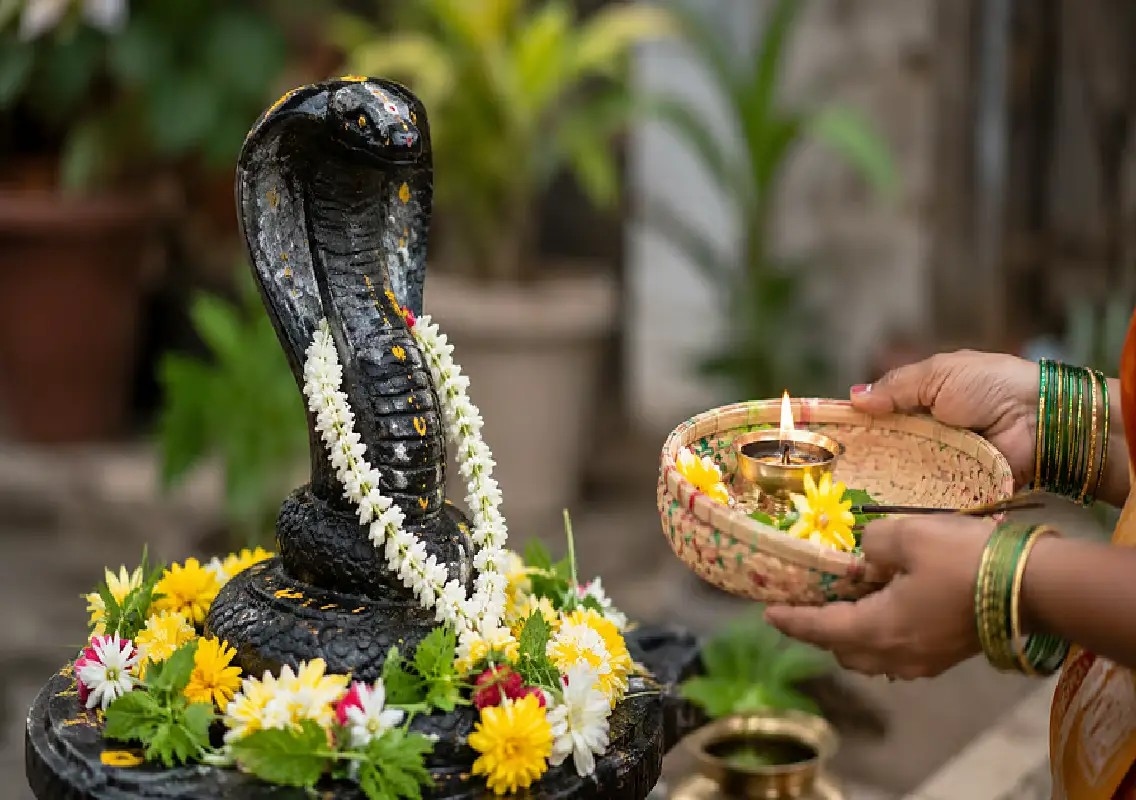


Mangaluru: The Mangaluru City Corporation (MCC) has appealed to residents to celebrate Nagarapanchami in an environmentally responsible manner by avoiding single-use plastic bags and other banned plastic materials during the festival.
As part of its campaign to promote cleaner and more sustainable celebrations, the civic body has encouraged devotees to replace disposable plastic items with reusable and natural alternatives such as cloth bags, banana leaves, areca nut leaf plates and steel utensils.
MCC Commissioner Rahul Ratnam Pandey has urged residents to observe Nagarapanchami as a banned single-use plastic-free festival, while also calling upon temples and devotees to ensure proper waste management.
MCC appeals for plastic-free festival
The civic body has asked residents to avoid carrying or using banned plastic materials while visiting temples and Naga Banas during Nagarapanchami.
Devotees have particularly been advised not to bring milk in banned plastic bags or plastic bottles for religious rituals.
Instead, the MCC has recommended using reusable containers to carry milk and other offerings.
The appeal forms part of the corporation’s broader efforts to reduce plastic waste and encourage environmentally friendly practices during religious and public celebrations.
Use reusable utensils and natural alternatives
The MCC has urged devotees to avoid disposable plastic plates and cups while distributing food or prasadam.
Instead, residents have been encouraged to use banana leaves, areca nut leaf plates or reusable steel plates.
These alternatives can help reduce the amount of plastic waste generated during the festival.
The civic body has also appealed to organisers and devotees to choose reusable materials wherever possible instead of disposable products.
According to the MCC, making small changes in the way festival rituals and food distribution are conducted can significantly reduce the amount of waste generated around temples and religious sites.
Avoid plastic decorations
The civic body has also appealed to residents to avoid plastic decorations during Nagarapanchami.
Devotees and temple administrations have been encouraged to use natural decorative materials such as mango-leaf festoons, banana stems and flower garlands.
These traditional materials can provide an alternative to plastic decorations while also helping reduce non-biodegradable waste.
The appeal is aimed at ensuring that religious celebrations do not result in increased accumulation of plastic materials in temple premises and surrounding areas.
Natural colours suggested for rangoli
The MCC has also suggested environmentally friendly alternatives for rangoli decorations.
Residents have been encouraged to use natural colours or flower petals instead of chemical colours.
Using flowers and naturally sourced materials can help minimise the environmental impact of festival decorations and reduce the amount of synthetic material entering the waste stream.
The civic body has asked residents to incorporate such practices into their celebrations wherever practical.
Cloth and jute bags for puja materials
Devotees have also been advised to carry their puja materials in cloth or jute bags rather than plastic covers.
Items such as flowers, oil, incense sticks, turmeric powder and coconuts can be carried in reusable bags.
The MCC has also recommended using cloth bags or paper covers when distributing prasadam.
The measures are intended to reduce the dependence on single-use plastic during temple visits and religious gatherings.
Reusable cloth and jute bags can also be used beyond the festival, making them a practical alternative to disposable plastic bags.
Temples asked to improve waste management
The MCC has directed temple administrations to make adequate arrangements for waste disposal at Naga Banas and temples.
The civic body has asked temple authorities to provide sufficient dustbins so that devotees can dispose of waste properly instead of littering the surrounding areas.
Particular attention has been drawn to single-use plastic items and coconut shells, which can accumulate around temples if they are not collected and disposed of properly.
The MCC has emphasised that waste management should form an integral part of the festival arrangements.
Wet and dry waste segregation
The civic body has also called for proper segregation of wet and dry waste generated during Nagarapanchami celebrations.
Temple administrations and organisers have been asked to ensure that the two categories of waste are collected separately and disposed of appropriately.
Wet waste can include flowers, leaves and other biodegradable material generated during religious rituals, while dry waste may include packaging materials and other non-biodegradable items.
Effective segregation at the source can make waste processing easier and reduce the quantity of waste ultimately sent to disposal facilities.
Festival celebrations and environmental responsibility
Nagarapanchami is observed with religious rituals and offerings at temples and Naga Banas.
However, large gatherings can also generate significant quantities of waste, particularly when disposable materials are used for carrying offerings, serving food and decorating religious spaces.
The MCC’s appeal seeks to ensure that traditional celebrations are accompanied by responsible waste management practices.
By encouraging devotees to use reusable and biodegradable alternatives, the civic body hopes to reduce the amount of plastic entering the environment.
Public cooperation sought
MCC Commissioner Rahul Ratnam Pandey has appealed to residents to cooperate with the civic body in making Nagarapanchami environmentally friendly.
The corporation has urged devotees to give priority to cleanliness and environmental protection while observing the festival.
Public participation is considered essential because waste generated during religious celebrations can quickly accumulate if individuals do not dispose of it responsibly.
The MCC has therefore asked residents to avoid banned plastic materials from the outset and carry reusable alternatives when visiting temples.
Natural alternatives can reduce waste
The use of banana leaves, areca nut leaf plates, flower garlands and mango leaves can also help retain traditional elements of festival celebrations while reducing dependence on plastic.
Similarly, reusable steel utensils can be used multiple times instead of disposable plastic cups and plates.
The civic body’s recommendations are intended to encourage residents to adopt these alternatives not merely during Nagarapanchami but also during other community and religious events.
Clean surroundings urged during Nagarapanchami
The MCC has stressed that cleanliness and environmental protection should remain priorities during the festival.
Temple administrations have been asked to ensure that waste collection facilities are available and that waste is segregated and disposed of properly.
Devotees, meanwhile, have been encouraged to take responsibility for the waste they generate and avoid leaving plastic bags, coconut shells, flowers or other materials in temple surroundings.
A coordinated effort between residents, devotees, temple administrations and civic officials can help keep religious sites clean during the celebrations.
Conclusion
The MCC’s appeal seeks to combine religious observance with environmental responsibility during Nagarapanchami.
By avoiding banned single-use plastics and choosing cloth bags, banana leaves, areca nut leaf plates, steel utensils and natural decorations, residents can reduce the environmental impact of the festival.
With temples also being directed to provide adequate dustbins and segregate wet and dry waste, the civic body has called for collective public cooperation to ensure that Nagarapanchami is celebrated in a clean, responsible and eco-friendly manner.