







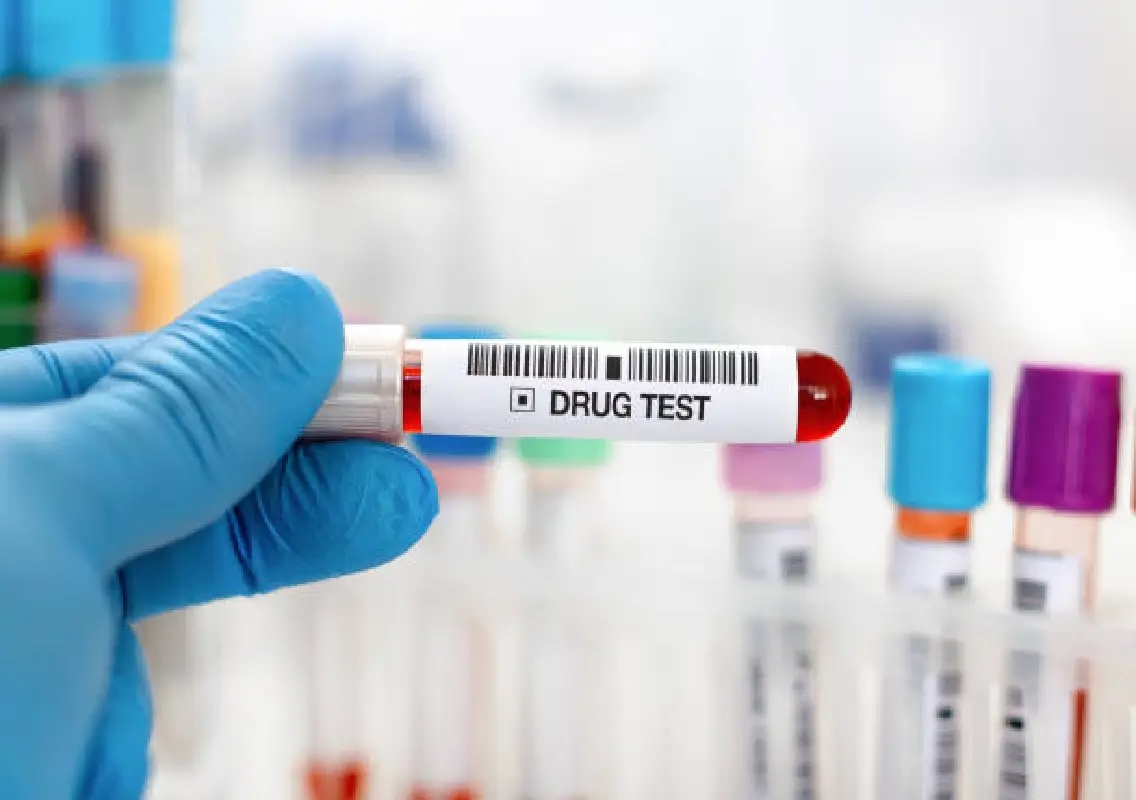


Mangaluru: In a bold move to tackle the rising menace of drug abuse among youth, several colleges in Mangaluru have voluntarily started conducting random blood tests on students to detect narcotics consumption. The initiative, rolled out over the past three months, comes after an appeal by the Mangaluru City Police for early intervention and prevention.
1,200 students tested, 10 found positive
According to official data, 1,211 students from 40 colleges in the city have undergone tests so far. Of them, 10 students tested positive for narcotics. In a significant departure from punitive measures, no criminal cases were filed against them. Instead, they were directed to counselling sessions, while the information gathered helped the police track down and arrest the drug peddlers supplying the substances.
Police Commissioner Sudheer Kumar Reddy said the focus was on rehabilitation and prevention rather than punishment. “The initiative has exceeded expectations in terms of student participation,” he noted.
Discreet police involvement and QR code system
To avoid stigma, police officers do not directly take part in the testing. They remain present in plain clothes on campuses only for support, which has encouraged cooperation from students and institutions.
A QR code system introduced to collect anonymous tips about drug use and peddling has also seen good response. These codes, displayed across colleges, allow students to confidentially share information. NGOs have partnered with the police to handle these tips, ensuring anonymity for informants.
Wider crackdown shows results
Beyond campuses, Mangaluru Police have conducted over 600 random drug tests in public places in the past three months. While several individuals tested positive, authorities have observed a decline in the proportion of positive cases since the checks began, calling it a “positive sign.”
More colleges expected to join
Currently, 40 out of 113 colleges under Mangaluru City Police limits have implemented random drug testing. The initiative will be reviewed every three months, with police urging more institutions to participate.
Commissioner Reddy stressed the need for community participation, urging students, faculty, and citizens to remain alert and report suspicious activity. “Only with collective effort can we protect our youth from the dangers of drug abuse,” he said.