


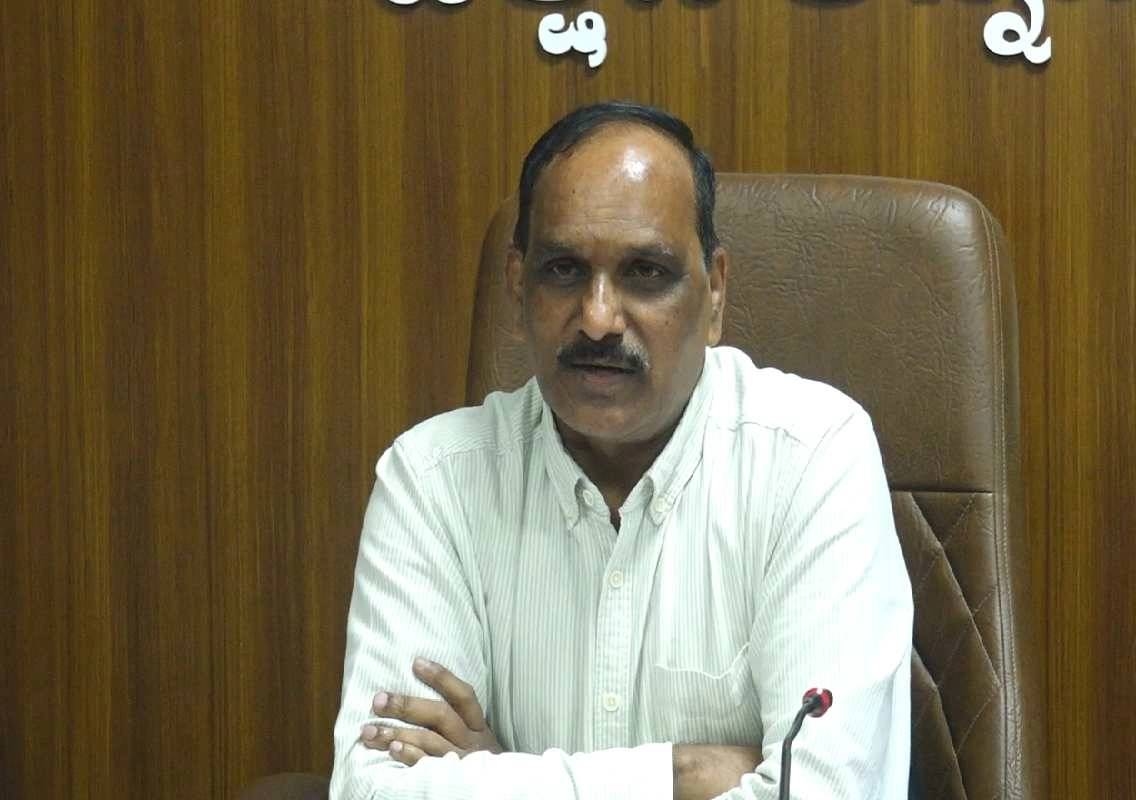


MANGALURU: Dakshina Kannada District Health Officer (DHO) Dr H.R. Thimmaiah has urged parents to ensure that their children receive both doses of the measles-rubella (MR) vaccine on time, citing the measles outbreak reported in Bangladesh and the risk of serious complications from these preventable infections.
The health department has stressed the importance of vaccination, particularly for children and people with weakened immune systems. Parents have been asked to check their children’s immunisation records and contact their nearest government health facility if any recommended dose has been missed.
Two doses recommended for children
Dr Thimmaiah said the MR vaccine is administered to children in two doses, with the first at nine months and the second at 16 months, as stated in the district’s vaccination guidance.
The vaccine protects children against measles and rubella, two viral infections that can cause serious health complications. Parents should follow the immunisation schedule advised by health officials and consult healthcare workers if they are unsure whether their child has received both doses.
Timely vaccination is important because children who have not developed adequate immunity remain vulnerable to infection and its complications.
Measles can cause serious complications
Measles is a highly contagious viral disease that commonly causes fever, cough, a runny nose, red or watery eyes and a skin rash. Although some patients recover without major complications, the infection can lead to pneumonia, severe diarrhoea, ear infections and, in rare cases, inflammation of the brain.
Young children and people with weakened immune systems are at greater risk of severe illness. Vaccination remains a key public health measure to prevent measles infections and reduce the likelihood of outbreaks.
The World Health Organization has reported a significant increase in measles cases in Bangladesh in 2026, with infections recorded across multiple districts. The outbreak has highlighted the risks associated with gaps in routine immunisation and the importance of reaching children who have missed their vaccine doses.
Rubella poses risks during pregnancy
Dr Thimmaiah also highlighted the dangers associated with rubella, particularly when infection occurs during pregnancy.
Rubella can cause congenital rubella syndrome when a pregnant woman becomes infected, especially during the early stages of pregnancy. The condition can lead to serious birth defects, including hearing impairment, vision problems and heart abnormalities. Some affected children may experience multiple disabilities.
Preventing rubella through vaccination helps protect both individuals and vulnerable groups, including unborn babies. Health officials therefore encourage parents to ensure that eligible children receive the recommended MR vaccine doses.
Parents urged to check vaccination records
The district health department has appealed to parents not to delay routine childhood immunisation. Families who are uncertain about their children’s vaccination status can approach a nearby government health facility or primary health centre for guidance.
Health workers can check immunisation records and advise parents on any pending doses in accordance with the applicable schedule.
The department’s appeal comes amid concerns over the spread of measles in neighbouring countries and the possibility of infections crossing borders through population movement. Maintaining high vaccination coverage is essential to protect children and prevent the resurgence of vaccine-preventable diseases.
Dr Thimmaiah has urged families to take the vaccination schedule seriously and cooperate with health workers. The department has reiterated that timely immunisation, public awareness and community participation are essential to protecting children’s health.