







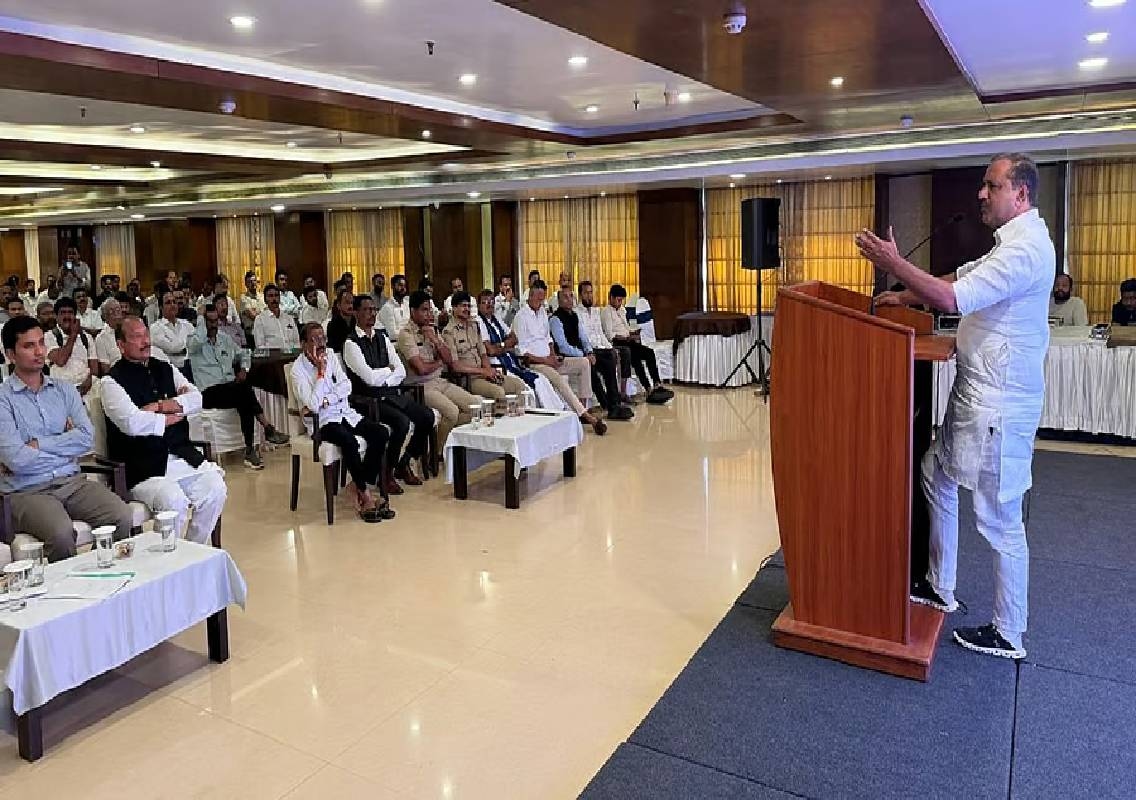


Mangaluru: Dakshina Kannada district authorities will prepare a detailed checklist of infrastructure and facilities required for a proposed Karnataka High Court circuit or permanent bench in Mangaluru, following a direction from district minister U.T. Khader. A committee headed by the Deputy Commissioner will coordinate the exercise ahead of an assessment by a three-member committee appointed by the Karnataka High Court to examine the feasibility of establishing benches in several regions, including the coastal city.
The district-level committee will identify the facilities and infrastructure needed to support the proposed High Court bench and prepare a consolidated checklist for consideration by the judicial committee.
The exercise is intended to help officials and local stakeholders present a coordinated assessment of Mangaluru’s readiness to host the proposed facility. The checklist is expected to cover the requirements of court operations and the supporting infrastructure needed for judges, lawyers, litigants and court staff.
The initiative follows the Karnataka High Court’s decision to appoint a three-member committee to examine the feasibility of establishing circuit or permanent benches in eight regions of the State. These include Mangaluru, Udupi, Shivamogga, Chikkamagaluru, Kodagu-Madikeri, Hassan, Davanagere and Uttara Kannada.
The judicial committee has been tasked with assessing feasibility and consulting stakeholders before submitting its findings to the High Court.
High Court Committee to Examine Feasibility
The proposed Mangaluru bench is part of a wider discussion about improving access to justice across Karnataka. The demand has gained attention from legal professionals and public representatives who argue that litigants from coastal and neighbouring districts face difficulties travelling to Bengaluru for High Court proceedings.
The establishment of a circuit or permanent bench would require a detailed assessment of the region’s legal workload, infrastructure, accessibility and other relevant considerations. The High Court’s committee is expected to examine these aspects before making recommendations.
The formation of the district-level panel is intended to ensure that local authorities can provide the necessary information when the judicial committee assesses the proposal. However, the preparation of a checklist does not mean that the bench has been approved. The final decision will depend on the feasibility assessment and the appropriate judicial process.
Stakeholders Push for a Regional Bench
The demand for a High Court bench in Mangaluru has been raised by members of the local legal community and elected representatives for several years. Supporters say a regional bench could make legal proceedings more accessible to people from Dakshina Kannada and neighbouring districts.
Litigants who need to attend hearings in Bengaluru may have to spend considerable time and money on travel and accommodation. A bench closer to the coastal region, supporters argue, could ease some of these difficulties and reduce the burden on people pursuing legal cases.
The proposal has also prompted discussions about the districts that could benefit from a regional facility. Dakshina Kannada, Udupi, Uttara Kannada, Shivamogga and Chikkamagaluru have featured in discussions surrounding the demand, alongside Kodagu.
Legal professionals have highlighted the importance of presenting evidence of regional requirements, including the volume and nature of cases and the difficulties faced by litigants. Such information could form part of the wider assessment of whether a separate bench is justified.
Infrastructure and Coordination Among Districts
Preparing a comprehensive infrastructure checklist is one step in presenting the proposal to the judicial committee. Officials will need to identify the facilities required for courtrooms, administrative offices and related services, as well as arrangements that could support judges, advocates and members of the public.
Coordination among government departments, district authorities and the legal community will be important to compile the necessary information. Stakeholders are also expected to discuss the region’s requirements and establish a common position on the proposal.
The initiative comes amid continuing efforts by local representatives and advocates to advance the demand for a regional High Court facility. Their argument centres on improving access to justice for people who currently need to travel to Bengaluru for High Court matters.
Decision on Mangaluru Bench Yet to Be Taken
The proposed circuit or permanent bench remains under consideration, and no final approval for its establishment has been announced. The Karnataka High Court-appointed committee will assess feasibility and consult relevant stakeholders before submitting its report.
The checklist being prepared by district officials is expected to help present Mangaluru’s infrastructure requirements in a structured manner. The assessment will also need to consider the wider judicial and administrative implications of establishing a bench.
For now, the district-level exercise marks a preparatory step in the long-standing campaign for a regional High Court facility. The next significant developments will depend on the judicial committee’s assessment, the consultations it conducts and the decisions taken by the competent authorities.
If the proposal moves forward, a regional bench could have implications for access to justice across coastal Karnataka and neighbouring districts. Until the assessment is completed, however, its location, structure and eventual establishment remain subject to the outcome of the official process.